

When the Headlines Fade: A Mother’s Journey Through War & Healing
The Swords of Iron war has been raging since October 7th. For nearly three years, thousands of soldiers — both regular army and reserves — have been fighting on all fronts. In the past two days, Israeli headlines have focused on the staggering number of wounded: 20,000.
Our family became part of this painful statistic when our son was wounded in Lebanon. And yet, he is one of the fortunate ones. From the moment of his injury, the army mobilized, and he was airlifted to Beilinson Hospital, where an extraordinary team of doctors and nurses saved his life. His rehabilitation at Beilinson has been both professional and compassionate, caring not only for his physical needs but also for his emotional well-being.
As parents, we too were held with open arms — first by the army’s RAM-2 unit at the hospital, and later by the Ministry of Defense. We were blessed with teams who made us feel as though our son was the only soldier in their care. But not every family has been as “lucky” as we have.
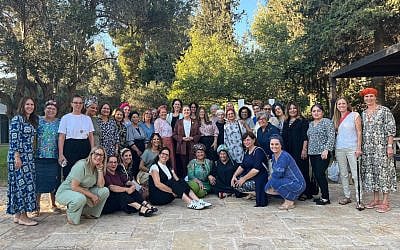
Over the past eight months, I have become part of an extraordinary network of mothers — the “Lioness Mothers.” What began as a small WhatsApp group has now grown to more than 400 mothers. This community has been a lifeline, offering a shoulder to cry on, guidance through endless bureaucracy, retreats, and constant support.
Recently, we had the privilege of meeting with Michal Herzog. She listened as each mother introduced herself and shared her child’s story. Some families are coping with more than one wounded soldier. Many mothers, through tears, described the crushing financial strain of staying by their son’s or daughter’s side long after hospitalization, when army coverage ends.
The message was clear: nothing returns to “normal” once a soldier leaves the hospital. In many ways, that is when the hardest part begins. Recovery is not just about physical healing — it is about navigating the long road back to life. And every step of that road, the soldier needs his mother more than ever.
For me, this is not just a number in the news — it is my son, our family, and the circle of mothers who now share this journey. We thank God every day for the miracle of Eitan’s recovery, but we also carry with us the stories of so many others still struggling. My hope in sharing our experience is that when people read the headlines, they will remember the faces, the families, and the love behind them — and stand with us until every wounded soldier has the care and support they need.