


When war hits close to home
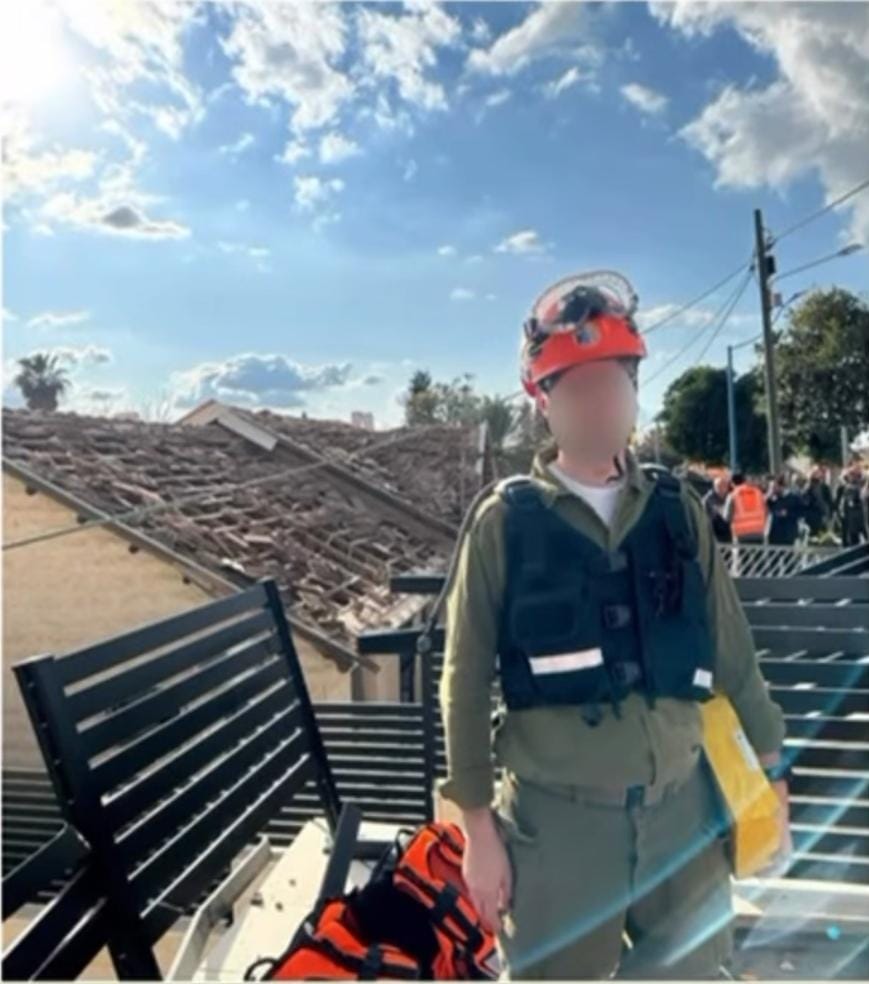
Two weeks ago, on Shabbos morning, I received a phone call that immediately changed the day.
“Moshe, come to the base as soon as possible. We need everyone together in case missiles hit Beit Shemesh and we’re needed for search and rescue missions if Iran attacks.”
As part of Israel’s Homefront Command’s search-and-rescue team, our job is to enter destroyed buildings, search for people trapped under debris, and extract them to safety. Our job is also to help identify those who, unfortunately, do not make it out alive.
At the time, it felt like a precaution. Beit Shemesh was very quiet during the 12-day Iran-Israel war last year. Little did I know that just over 24 hours later, we would be rushing to Beit Shemesh to do exactly that.
When the call came, our unit mobilized quickly. Unable to reach the impact site easily, we unloaded our gear and began carrying rescue equipment nearly two kilometers before finally reaching the scene.
What we saw was devastating. Buildings were shattered, windows blown out, and debris covered the streets. The destruction was unlike anything most of us had ever witnessed. Amid the chaos, we saw a family sitting outside their home, crying and visibly in shock. It became painfully clear that they had likely just lost someone close to them.
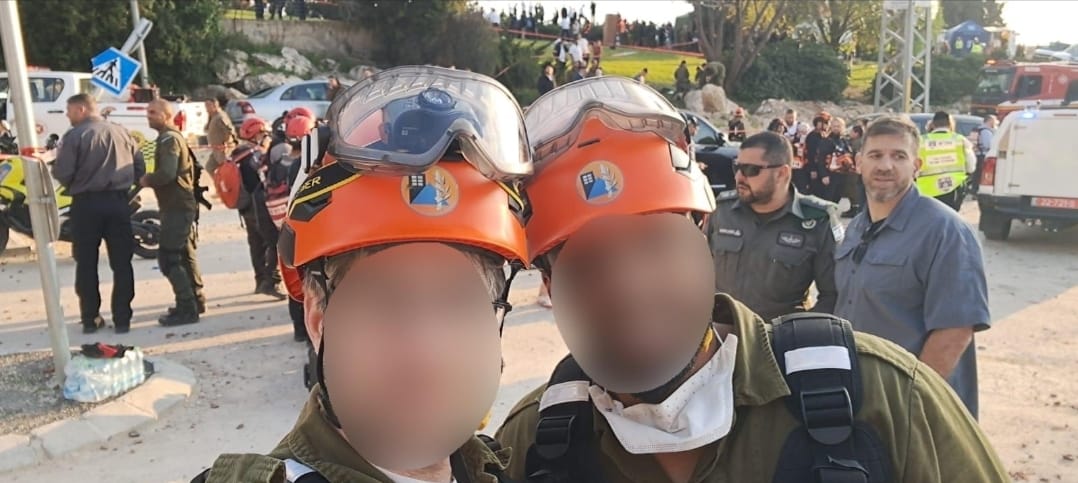
Our unit joined the search-and-rescue effort, helping locate and identify several of those who were tragically killed in the strike. The missile that hit weighed approximately 500 kilograms, and the force of the blast was enormous. Homes hundreds of feet away were damaged, leaving many families suddenly displaced and searching for temporary housing.
One fact stood out clearly amid the destruction: shelters save lives. Despite the direct hit on the building’s protected shelter, 28 of the 30 people inside survived. It was a powerful reminder of how critical it is to enter a shelter during an attack.
Once the rescue operation was complete, our mission shifted. We went door to door throughout the area to make sure every resident was accounted for, and that families whose homes were damaged had access to temporary housing in Jerusalem hotels.
Only later did I realize something that made the experience even more personal. Many of the doors I knocked on belonged to families whose children are friends and classmates of my own children.
War often feels distant – something you see on the news or hear about happening somewhere else. But sometimes it hits close to home.
While joining the army only 12 months ago via the new Haredi enlistment initiative, it has quickly brought me much fulfillment to actively help the Jewish people in their time of need.
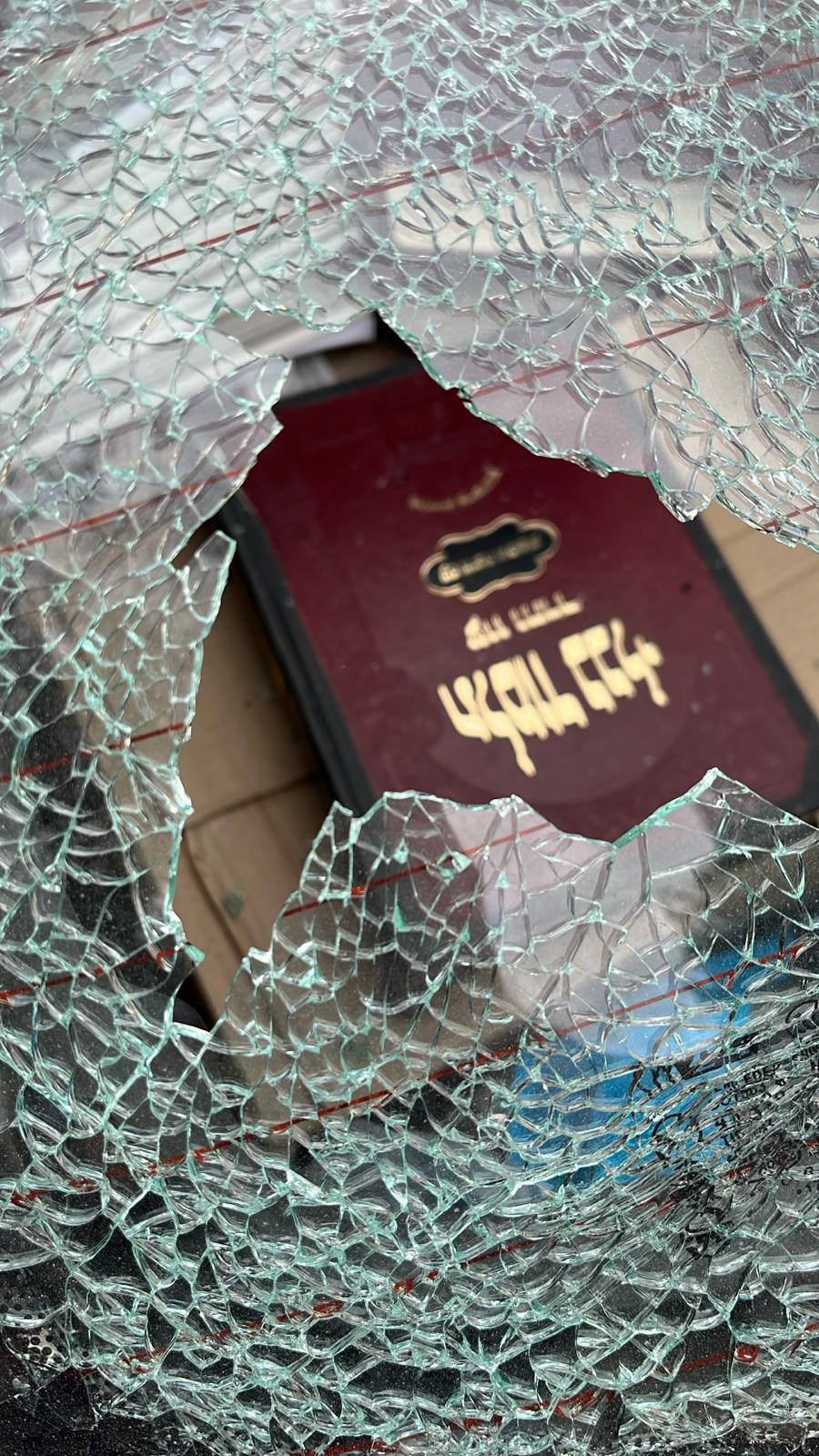
This operation became one of the largest and most complex search-and-rescue missions in the history of Israel’s Home Front Command. While I sincerely hope our unit will not be needed for something like this again, it is deeply meaningful to serve in a unit whose purpose is simple and vital: to save lives.
In moments of crisis, that mission becomes very real.