
Writing on Jewish life, relationships, trauma, and resilience
When We Stop Listening: A Tragedy for America, a Warning for Israel
Created by the author.
The assassination of American conservative leader Charlie Kirk is not just a national American tragedy — it’s a warning. For every democracy teetering on the edge of political violence, for every country fractured by mistrust and moral superiority, this is what happens when we stop listening.
It didn’t start with a bullet. It started long before — with the slow unraveling of empathy, the normalization of contempt, and the replacement of conversation with condemnation.
We are witnessing the dangerous consequences of emotional illiteracy.
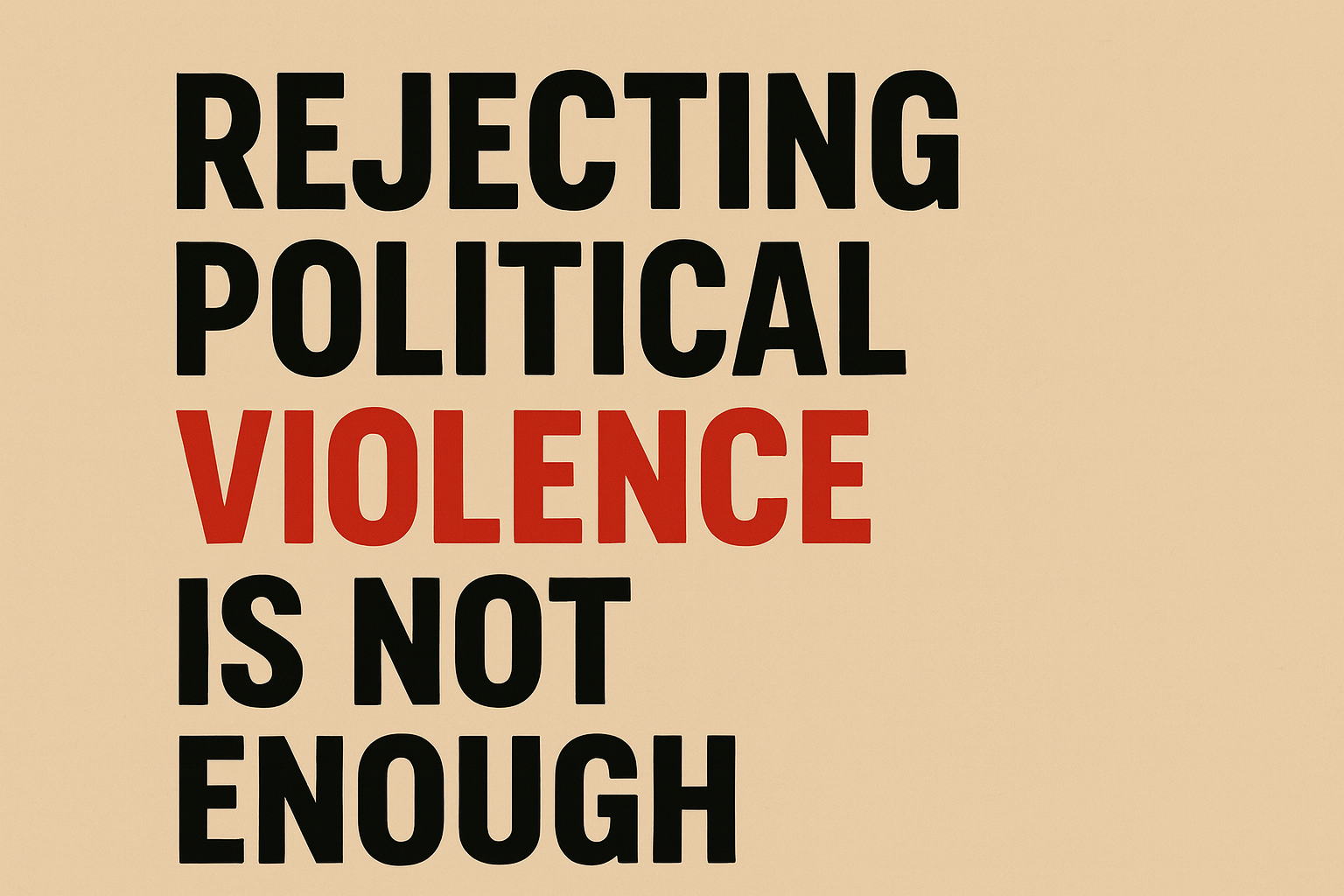
When people don’t know how to handle anger, express pain, or resolve conflict without harm, violence becomes more imaginable. And when leaders across the political spectrum respond by shouting, “We reject political violence,” they miss the point.
Rejection isn’t enough.
Condemnation doesn’t prevent collapse.
If we don’t invest in what holds people together, we will keep watching them tear each other apart.
As an educator who has spent decades teaching relationship skills to couples, veterans, educators, and faith communities, I’ve seen the transformation that happens when people learn how to speak honestly, listen deeply, and fight fair. These are not soft skills. They are the survival skills of a healthy society.
At PAIRS, we call this emotional infrastructure — and right now, that infrastructure is crumbling in many parts of the world. Especially in Israel.
Israel is a miracle born of resilience and shared identity, but even the strongest foundations crack when contempt takes root. We see it already: widening divides between religious and secular, left and right, Ashkenazi and Mizrahi, Jew and Arab. The discourse has become louder, harsher, and more tribal. The sense of shared fate — arevut — is weakening.
It’s not hard to imagine where this leads.
If we don’t know how to disagree without dehumanizing…
If we label dissenters as traitors and opponents as enemies…
If we raise children to scream before they speak…
Then the cycle continues: conflict, collapse, and catastrophe.
But there is another way.
It starts by recognizing that love, empathy, and connection are not innate — they’re learned. Just as we invest in national security, we must invest in emotional security. That means teaching practical relationship skills in schools, synagogues, yeshivas, community centers, and the army. Skills like:
-
How to express frustration without blame
-
How to listen to understand, not reload
-
How to confide instead of criticize
-
How to build emotional safety — even in disagreement
These are the tools of resilience — not just in families, but in democracies. Without them, we are left with passion and identity but no path forward. With them, we can restore trust, even across painful divides.
Let Charlie Kirk’s death be more than a political flashpoint. Let it be a turning point. A wake-up call. A moment to ask, across borders and beliefs: What will it take for us to truly hear each other again?
Because when we stop listening, we stop seeing.
And when we stop seeing each other, violence becomes thinkable.
What happens next is not fate — it’s a choice.
Let’s choose connection over contempt.
Let’s choose courage over comfort.
Let’s choose to build a future where our differences don’t destroy us.
Before we lose more than we can bear.
Related Topics