


‘When Will You Stop Donating Gear to IDF Soldiers?’
In October 2023, when I first began raising money to buy essential gear for front-line Israeli soldiers, the main question people asked was, “Where do I send the funds?” Nearly two years later, after generous contributors have given over $40 million to enable my Israel-based team to purchase vital equipment, I am increasingly facing a very different question: “When will you stop donating gear to IDF soldiers?” Though I’m not a mind-reader, I would guess that for every person candid enough to ask this directly, there are many more who are thinking it.
I have to admit that I periodically wonder whether it’s time to wind down the volunteer work on behalf of our soldiers to which I have devoted thousands of hours since the war began. I have a fulfilling position on the leadership team of Shalem College in Jerusalem and am eager to devote myself even more fully to building that institution. I would love to spend additional time with my wife Jocelyn, our six children, and their families. Moreover, it pains me that to raise money, I have to explain, sometimes publicly, that the Israeli army—which I love passionately (as I wrote here)—is underperforming in ways that undermine the safety of our troops.
Despite these occasional longings, I cannot bring myself to halt the efforts to equip our troops. There are three main reasons why I feel compelled to go on.
First, I feel an enormous sense of debt to the 100,000-plus combat soldiers who stepped forward to defend our country at one of its darkest hours. Day in and day out they have sacrificed to an extraordinary degree and risked their lives to protect all Israelis, including my family and me, from enemies whose intent towards us was made abundantly clear on October 7th.
This point was driven home to me early in the war, when I delivered a carload of equipment from Jerusalem to a tank battalion in a staging area just outside Gaza. One soldier who helped unload the gear thanked me profusely and I responded, by rote, that the real thanks go to him and his comrades. As I started to head home, I was struck by the realization that what I was doing does not even rise to the level of paling in comparison to their sacrifice. I had taken a part of the money my wife and I are obligated to give to charity, augmented it with funds from generous friends, purchased equipment from reliable Israeli vendors, and made a relatively short trip to hand it off. Ninety minutes after leaving these soldiers, I would be with Jocelyn in our comfortable home, where no one was shooting at us, while these young men and women would be in cold, wet, and uncomfortable conditions, eating combat rations and preparing to enter an area that Hamas had spent 17 years turning into a death trap for them. I was overwhelmed by the sense that the least I could do was to help maximize the chances that, at war’s end, they would return, alive and well, to their homes.
Since then, my feeling of obligation to Israel’s soldiers has only grown. The tens of thousands of IDF reservists who have been in uniform for 250, 300, or even more days have spent more time away from their families and their civilian lives than has any comparable group in the history of Israel. (You can read here about the dedication of our amazing reservists.) When they show up for a fifth or sixth round of service, they deserve to receive equipment that maximizes their chances of staying alive and reminds them in a tangible way that they are embraced and supported by people who admire them and recognize their sacrifice for what it is.
Second, I know with certainty that our soldiers lack the gear they need to keep them as safe as possible in dangerous circumstances. I have been involved in supplying troops since the start of this war, and my teammates—reserve officers in the IDF—have vetted requests from hundreds of combat officers. I can say, on the basis of a depressingly large collection of spreadsheets, that at every stage of the war there have been thousands of soldiers in front-line positions who lack equipment that could have significantly increased their odds of emerging unharmed.
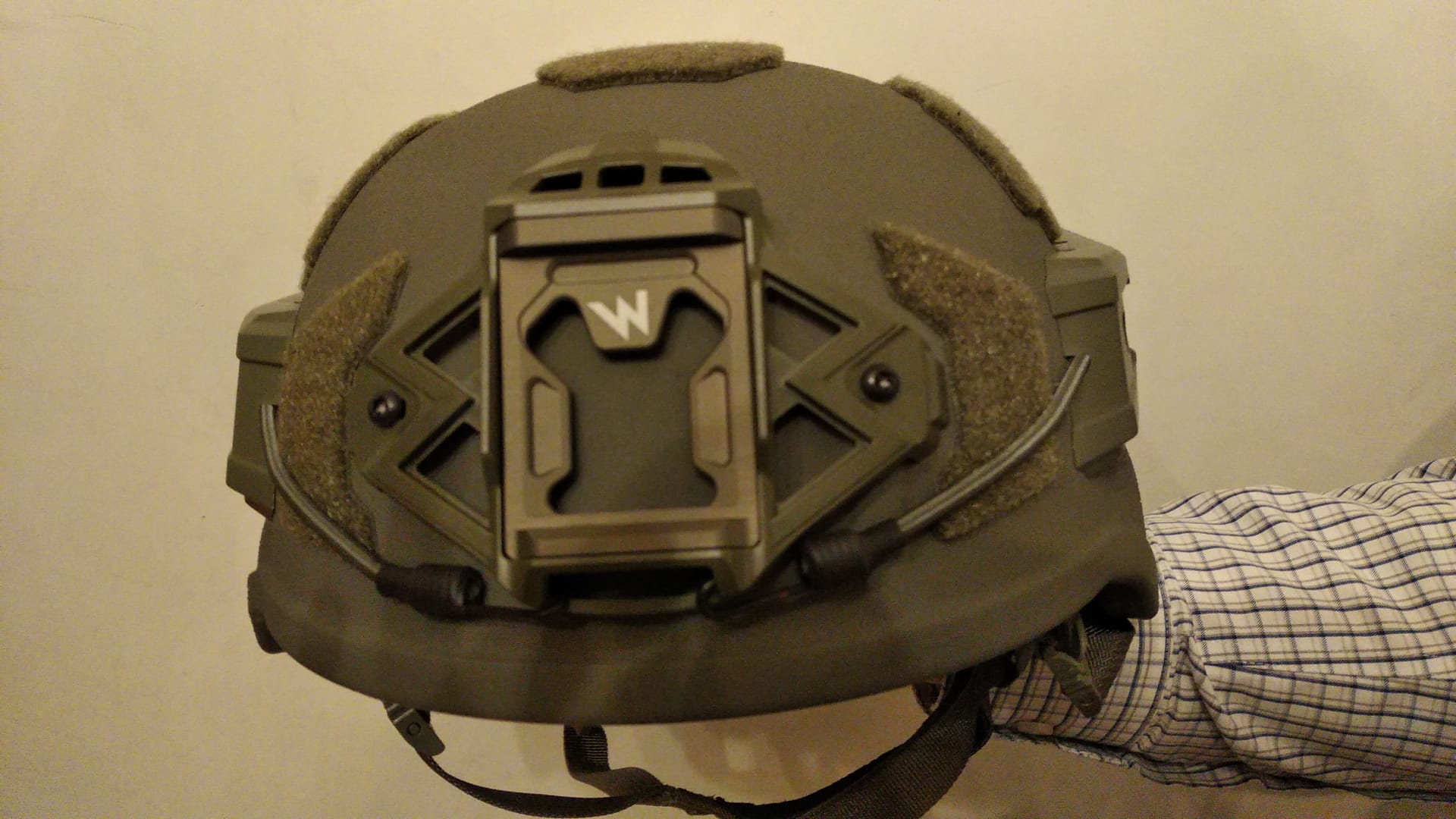
As I write these lines, I know of $2.2 million in urgent, verified requests. This reflects units that don’t have all the reconnaissance drones and surveillance cameras they need to alert them to terror threats in time to prevent tragedies. It includes individual soldiers who lack bullet-proof helmets, good vests with ceramic plates, fire-resistant uniforms, and proper earplugs. If I don’t do everything I can to raise these funds, I will bear a measure of responsibility for the potentially grim consequences. Indeed, there have been cases during this war in which we were asked to provide gear, but weren’t able to raise the funds fast enough—and the result was deaths and injuries caused by surprise attacks or booby-trapped buildings.
Finally, I cannot accept the claim that since it is the responsibility of the Israeli government and the IDF to provide gear to the troops, civilian groups should stop covering for their failures. That same government and army also failed to prevent October 7th, which meant that tens of thousands of Israeli soldiers had to step into harm’s way, on all our borders, to enable the country to recover from a devastating blow. The fighters we are helping—ranging from simple soldiers to battalion commanders—were not responsible for either of these grave errors. It would be monstrously unfair to insist that they pay the price, up to forfeiting their lives, because of mistakes made by others. If my teammates and I, in partnership with big-hearted philanthropists, can help reduce the dangers they face, I believe we should do so without reference to whether those tasked with supplying them ought to be doing a better job.
This does not mean that I absolve the IDF of responsibility for equipping our soldiers or plan to continue indefinitely serving as the alternate supply chain. My teammates and I are working diligently to gather the information needed to persuade the IDF’s senior leadership that the army failed those it sent into harm’s way and must do far better. We are also working to develop the networks of military and civilian figures who, at the earliest opportunity, will join in concentrated efforts to bring about systemic change in how the army supplies its front-line troops. We know, however, that these efforts will not bear fruit immediately, nor can we count on cease fires to remove the need for lifesaving gear any time in the near future. So long as our soldiers remain in danger and the army is not taking all the necessary measures to protect them, it is too early to move on and turn our backs on the very people who are risking their lives to protect ours.