
Where did the incense come from?
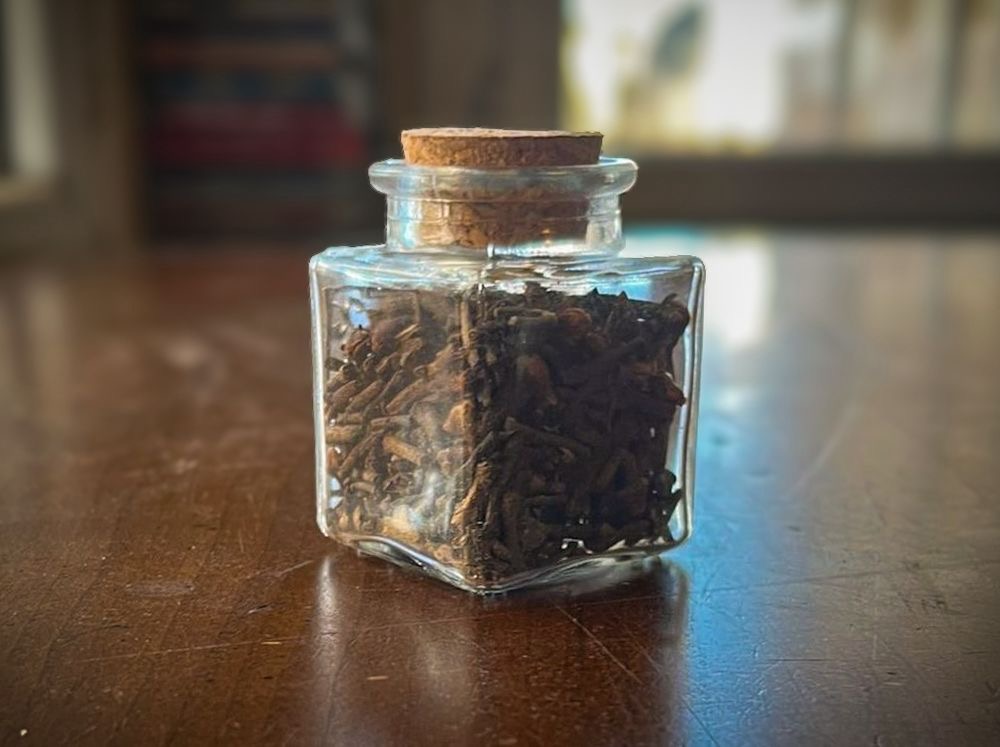
In Parshat Vayakhel (Shmot 35:8), Moshe requests spices as a Teruma offering for the Mishkan (Tabernacle):
…Spices for anointing oil, and for the incense of aromatic spices (Ktoret HaSamim)…
We are already familiar with the incense from last week’s parsha, Parshat Ki Tisa (Shmot 30:34-38):
God said to Moshe, “Take for yourself spices: stacte, onycha and galbanum, spices and pure frankincense. They shall be of equal weight. Make it into incense, a blend blended by a blender, thoroughly blended, pure and holy. Pulverize some of it very finely and place it before the Ark of Testimony in the Tent of Meeting, where I will meet with you. It shall be holy of holies to you. The incense you are making, its formula must not be duplicated for your use. It shall be sacred for you for God…”
The incense was offered twice a day- in the morning and in the afternoon on the Golden Altar, inside of the Mishkan. The fragrance of the incense represented Israel’s responsibility and desire to serve God in a manner pleasing to Him.
We learn in the Talmud, Keritot 6a that there were 11 ingredients in the incense: stacte, onycha and galbanum, frankincense, myrrh, cassia, spikenard, saffron, costus, aromatic bark and cinnamon.
The spices that were grown in the Land of Israel appear in Shir HaShirim 4:13-14:
Your dry ground is a pomegranate grove of sweetest fruits, henna plants, musk root and saffron, calamus, cinnamon, fragrant trees of every kind, with myrrh plants and aloe, with all the finest spices…
Other spices were imported from faraway lands such as India, China, East Africa, the Arabian Peninsula and the Himalayas, making them more expensive.
While the Korbanot (sacrifices) are meant for repentance, the Ketoret is meant to make us happy as Mishlei 27:9 states: “Oil and incense gladden the heart.”
The spices came from near and far and brought wonderful smells to the Beit HaMikdash.
Today, as we don’t have the Beit HaMikdash, the Ketoret prayer is recited each morning at the beginning of Shacharit as well as in Ein K’Elokeynu.
While the war continues to rage on in Israel, we temporarily don’t have access to the Temple Mount or the Western Wall as there is a ban on large gatherings in case of a missile alert.
May we see an end to war, may the Beit HaMikdash be rebuilt speedily in our days and may we once again be able to enjoy the wonderful smells of the Ketoret HaSamim.