


Who benefits the most from China–Israel, India-Israel cooperation?
The essence of peace is to merge two opposites. Therefore, your notions should not scare you if you see another, who absolutely opposes you, and you presume that there is no chance for peace between you two. On the same token when you see two individuals who are exactly two opposites, never say it would be impossible for them to reconcile. On the contrary, and this is the perfection of peace to make it between two opposites – Rabbi Nachman of Breslov
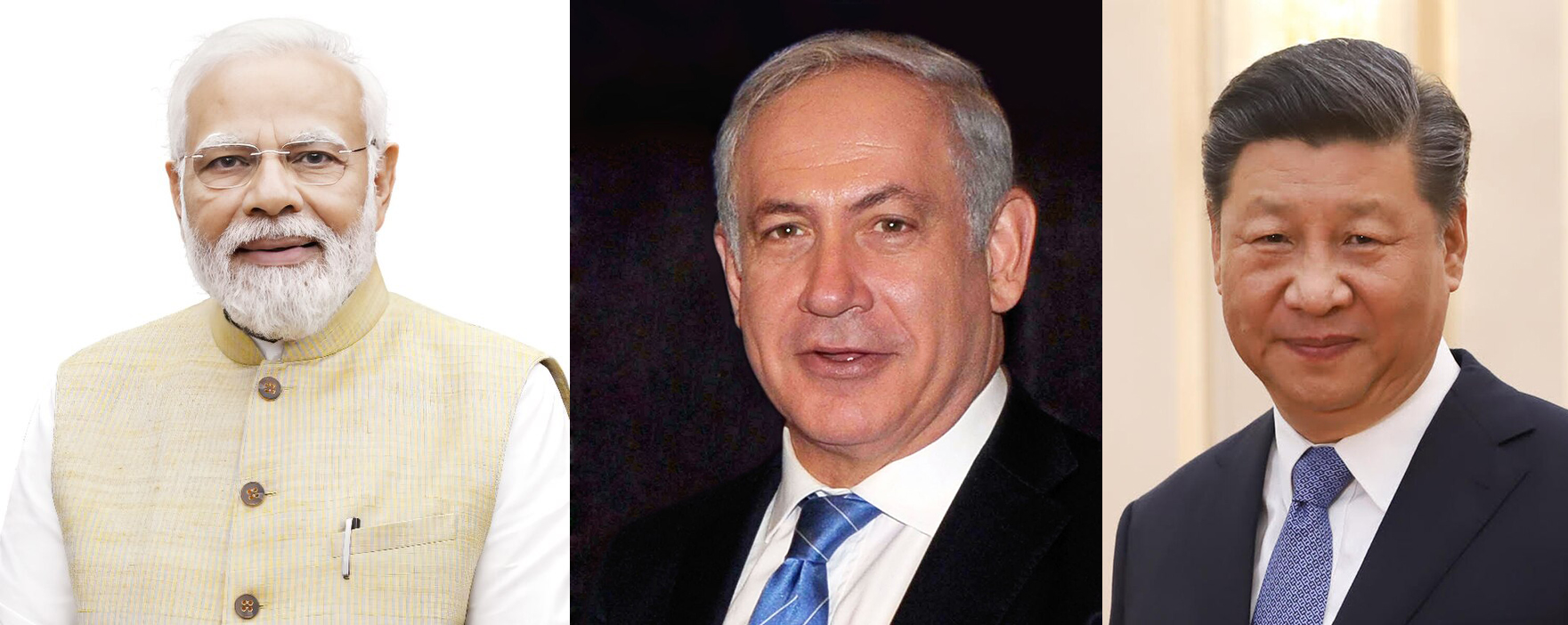 Israel has a lot to offer to many countries, China and India would top that list in the coming years. While China goes ahead with reforms, modernization, people first policy and a massive crackdown on nepotism, corruption and extreme capitalism, India is struggling with these very factors for the last 22 years. Israel does benefit the most from these collaborations, however the question is, who among China and India will benefit the most?
Israel and China collaborate on technology, particularly in areas where their economies are complementary, such as Israeli R&D and Chinese manufacturing and market access. This cooperation is supported by bilateral agreements, joint R&D programs, and the establishment of innovation hubs like the China-Israel Innovation Hub (Shanghai) and the Guangdong Technion – Israel Institute of Technology. Key sectors for collaboration include artificial intelligence, healthcare, clean energy, and biomedicine and healthcare, clean energy and water desalination, information and internet technology and high-end manufacturing.
India and Israel have extensive collaboration in agriculture, defense, technology, and trade, with recent agreements focusing on deepening these ties. Key areas include joint defense initiatives like co-development of advanced technology, cybersecurity cooperation, and strategic dialogues. In the commercial sector, efforts are underway to launch a free trade agreement (FTA) and increase collaboration in areas such as startups, water management, agriculture, and medical technology.
 Over the past four years, China’s economy has grown at an average annual rate of 5.5%. In the first half of 2025, GDP growth remained steady at 5.3%, with the full-year total projected to reach around 140 trillion RMB. This shows stability, since China does not support extreme capitalism like India, where only the billionaires reap benefits and all others are made to suffer because of a corrupt, draconian, and lethargic governance system that requires immediate attention.
The government bodies and the judicial system in India, need immediate attention. Major criticisms of the judicial system in India include it being an “obstructionist” hurdle to rapid economic growth, being outdated, under-resourced, having completely flawed processes and lack of accountability. On the other hand, the Indian judicial system is also a showstopper due to judiciary’s independence, which often becomes judicial overreach, in its role in upholding the Constitution, and its history of activism against political parties.
 China on the other hand has one of the most efficient judicial systems in the world, with modern laws, smooth and fast processes, judges, and lawyers who are made accountable and a history of quick and accurate disposal of cases. The recent example, is the way China decided to go ahead with a modern and practical approach that bans the concept of ‘Alimony’ and restricts ‘Maintenance’. China’s 2025 divorce law abolished the concept of alimony and introduced a strict “who paid, owns” principle for property division, meaning a spouse’s non-financial contributions like homemaking and child-rearing are not legally recognized in asset division. This helps the Chinese population to go ahead in their lives without endless litigations, loss of money and judicial harassment.
The Chinese thus innovate and lead businesses globally. Ease of doing business was one of the best in China till date. India makes not only its people, but also investors suffer and this must change with immediate effect in India. All this was made possible in China due to massive judicial reforms including ones that ensured a quick process, quick disposal and efficient judgements given in favour of the majority.
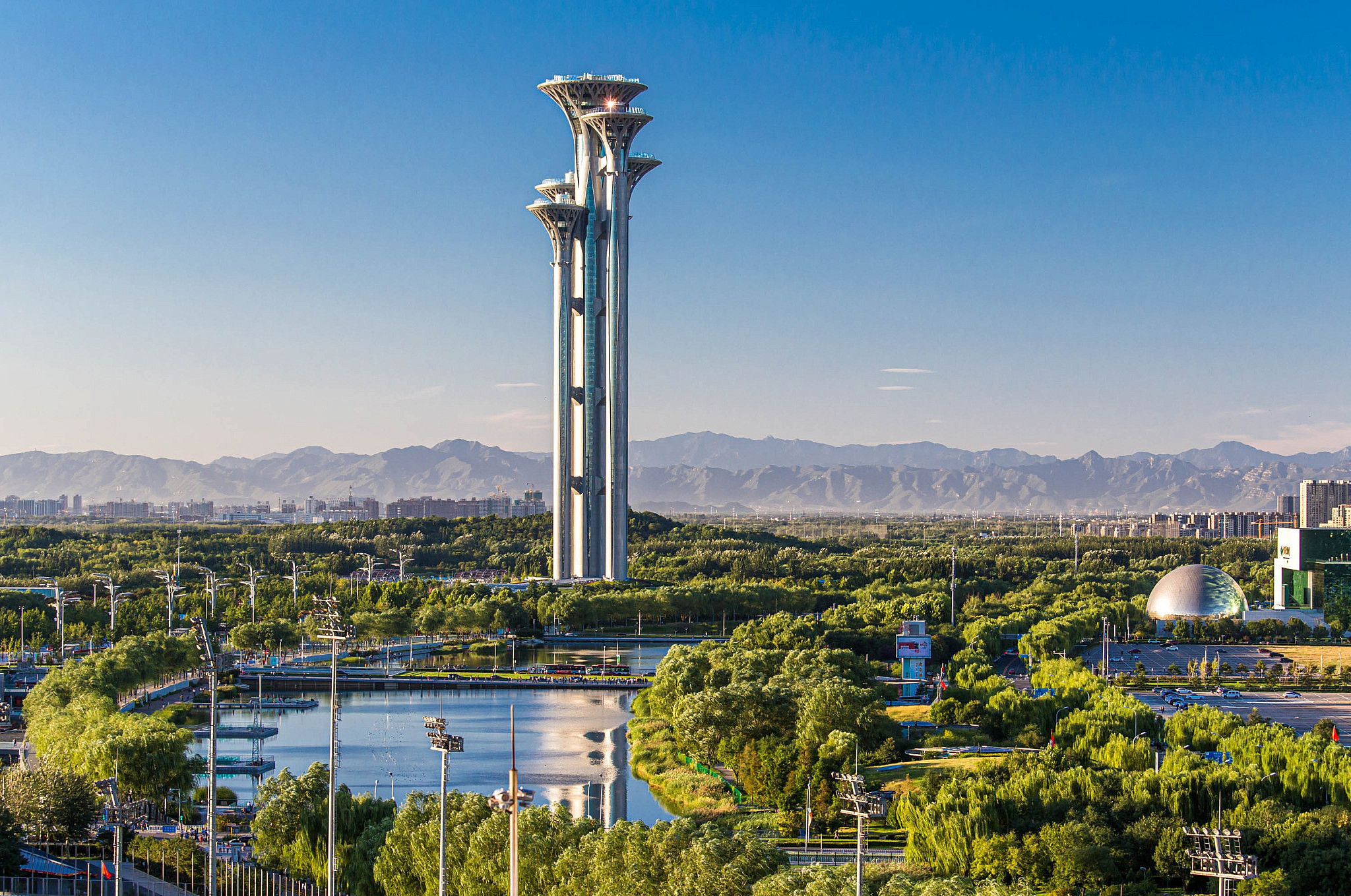 As a result of these reforms done in China, Chinese cities like Beijing, Chongqing, Shanghai, Shenzhen and Tianjin, stand out as some of the most developed cities, in the world. China accounts for approximately 28% to 32% of global manufacturing output, making it the world’s largest manufacturing superpower.
Work life balance in China got better, although it was once, one of the worst in the world. China has reduced working hours in recent years through official mandates against excessive overtime and by major companies voluntarily shortening workweeks. These changes aimed to get rid of the “996” (9 a.m. to 9 p.m., six days a week) culture, with some companies moving to five-day workweeks to improve employee well-being and productivity. Legal maximums for work hours now remain at 44 per week, with overtime capped at 36 hours max, per month.
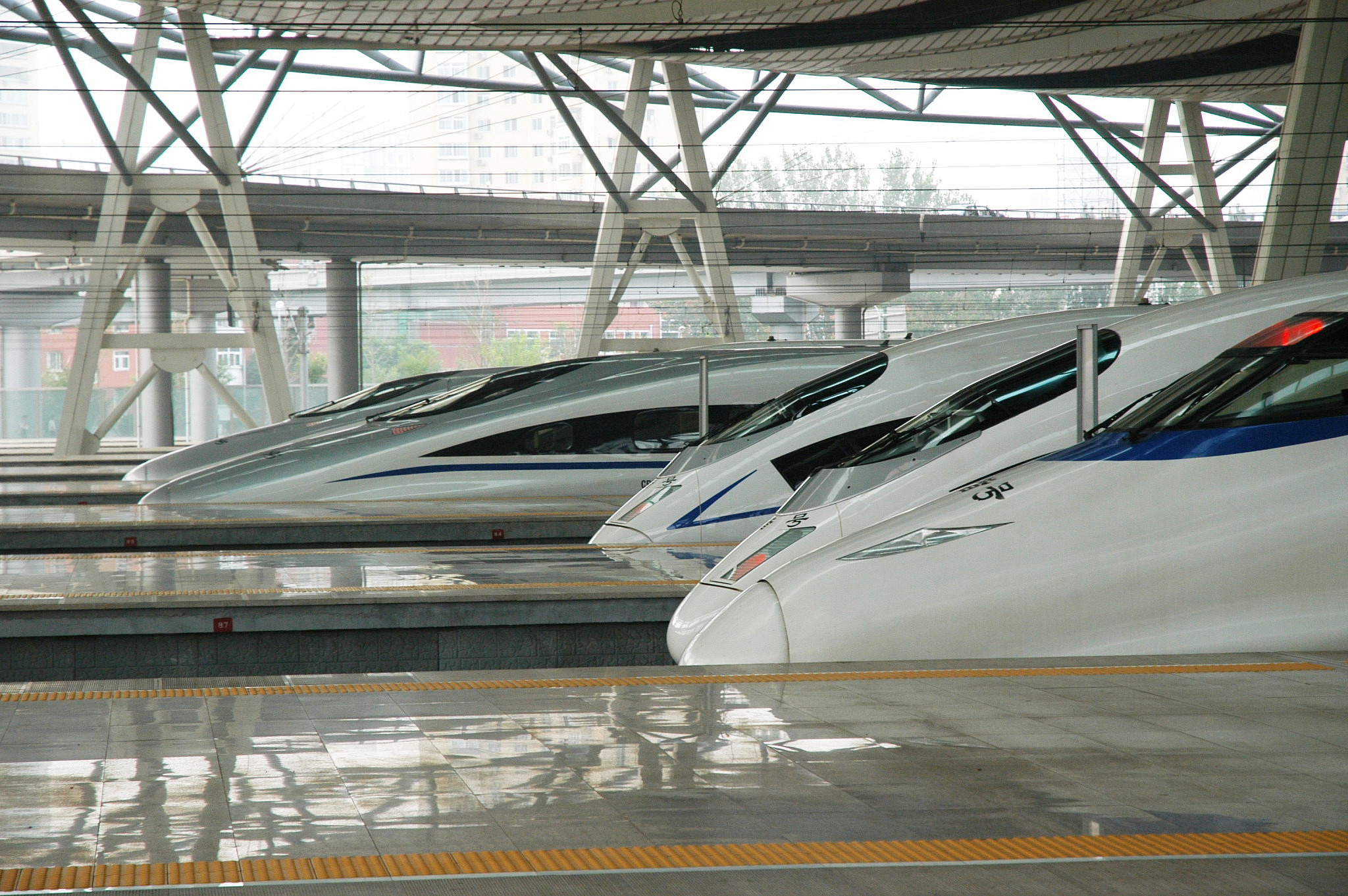 China has steadily invested in honest and sustainable infrastructure, such as high-speed rail, airports, and ports, which has driven economic growth and employment. In contrast, India has historically had lower infrastructure investment rates as a percentage of its GDP, which is further worsened by mass corruption and lack of governance. China’s approach to development, characterized by massive reforms, sustainable infrastructure development, and honest investment, has led to faster growth compared to India.
Many Indians suggest the judiciary is the “biggest hurdle” to India’s rapid economic growth and achieving “Viksit Bharat” (developed India). Although Pioneers like Justice P.N. Bhagwati and Justice V.R. Krishna Iyer introduced concepts like Public Interest Litigation (PIL), which allows courts to take up the concerns of the underprivileged. Unfortunately, the underprivileged never got to reach the judiciary through a PIL, unless there was a strong political backup. All this makes the PIL system futile and useless.
Therefore, considering all these critical points, China benefits the most with its collaboration with Israel, although it is a win-win situation for Israel. It is India, which might end up complaining, due to lack of reforms, outdated and draconian judicial system, lack of pro-people policies, corruption, and lack of governance, although the new labour codes in India, ensure timely minimum wages, jobs, equal pay for all (LGBTQ not yet included here), social security, free health checkups, and double overtime wages. The new labour code is a good development. India needs thousands of such reforms and time is running out.
Thanks to commons.wikimedia.org and pixabay.com for the lovely royalty free images.