

Writer, Thinker, Tour Guide
Why Are They So Afraid of Us?
Tomorrow we vote. And I keep coming back to one question: Why are they so afraid of us?
Why the attacks? Why the rally in Bnei Brak, which they say drew close to 100,000 people? Why did Rabbi Landau say he would fight us with all his strength—and compare voting for our party to eating chametz on Pesach or pork?
What are we proposing that calls for this kind of response?
We are not calling for the yeshivos to be closed. Quite the opposite. We believe that anyone who is seriously learning full-time should be able to continue learning, and that his right to do so should be protected.
The “controversial” idea we are promoting concerns the thousands of young men who are not learning full-time but are still claiming an exemption, much to the frustration of the rest of the country. We want to give them the tools to build a life in which they can remain proud Chareidim, while taking some responsibility for the country we all live in. That could mean serving in fully Chareidi units in the army or police, helping with Hatzalah or ZAKA, working in schools, or taking part in some other form of national service.
We want parents who choose it to be able to send their children to schools that teach basic math and English, so those children have a chance to support a family when they enter the workforce. We want women’s concerns to have a voice. Is any of that anti-Torah?
I’m not going to argue today about whether Torah learning alone protects us, or whether we also need the army and the police. But if learning Torah is all that matters, why are hundreds of thousands of people being pulled away from their Gemaras to attend demonstrations and work for these parties? Why is there so much pressure—and even threats—against people who say they might vote for someone else?
I know of a woman who lost her job after pressure was put on her employer. People have been warned that if they support us, their children could be thrown out of school, or their prospects for shidduchim could be damaged.
Why? What is so dangerous about what we are saying? Why not rely on what we are so often taught: that if we daven and learn Torah properly, Hashem will take care of our problems, without all this political hishtadlus? Where has that confidence gone when it comes to an election?
I believe the answer is political power: the seats that bring control over budgets, zoning, and public resources—and the ability to reward those who preserve that power and punish those who challenge it. They see that power as critical. They do not want to leave anything to chance, or simply trust that Hashem will take care of things.
That is painful to say. It means that people around great rabbis may be presenting them with a distorted picture of what we stand for, lest people pay attention to our goals and vote for us, diminishing their power. And it is tragic because ordinary Charedim suffer most. Many are stuck in poverty and unable to support themselves properly. The Torah itself is being made to carry the burden of a political fight.
The threats reach the many great Rabbanim who agree with us but are afraid to say so publicly. They have seen what happened to Rav Leibel, Rav Faivelson, and the Karliner Rebbe in recent weeks. Any Rav who dares to say something different from what the askanim want can find himself threatened and abused.
It is up to us to stand with them. When those Rabbanim see that they are not alone—that many of us are willing to stand up for a healthy, positive Chareidi life, as it was before the extremists took over—perhaps they will have the courage to speak publicly, too.
I believe we can win tomorrow. But whether or not we do, this movement matters. We need a voice in the Knesset, and we need these ideas to take root in Chareidi society. Please vote for HaTzibbur HaChareidi tomorrow, and help us bring responsibility, dignity, and a healthier normalcy back to our community.
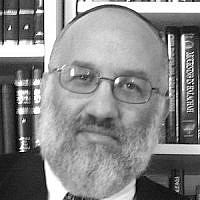
Rabbi Yehuda Oppenheimer, a former Rabbi in several congregations in the United States now lives in Afula, works as a writer and Licensed tour guide, and is a candidate for the Knesset for the HaTzibur HaChareidi party