
Why Dignity Matters in End-of-Life Care
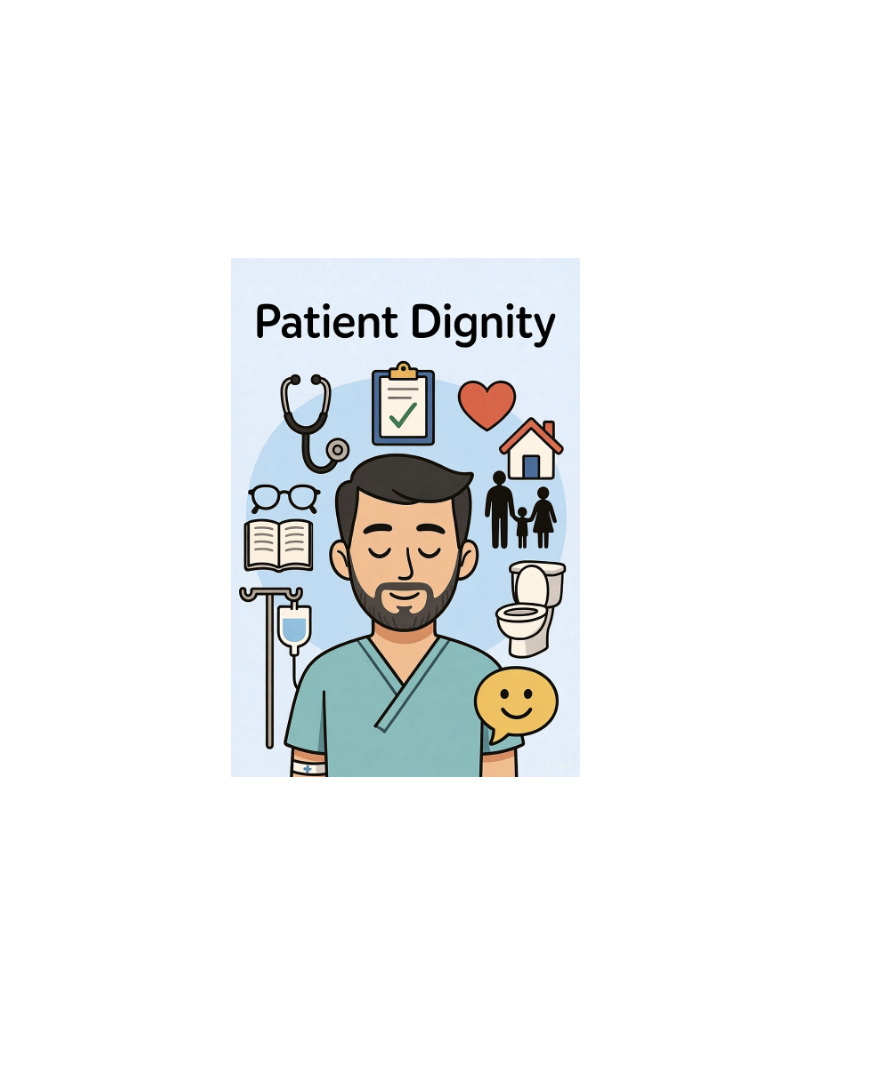
Unable to communicate, I worry my concerns about my dignity will not be as respected as I want. As a patient with a terminal illness, dignity is at the top of my priority list – and research shows 80–90% of patients feel the same.
I am a patient living with Progressive Supranuclear Palsy (PSP), a rare and terminal neurodegenerative disease. While my cognition remains intact for now, PSP forces me to think seriously about how I want to be cared for when I can no longer communicate, a very high probability medically in the short term (Please G-d, it should not be).
For me, dignity is probably the most important individual issue. I know this is different for every person – some patients may find dignity less pressing and prioritize other concerns such as pain control, family presence, or spiritual needs. I may not have the chance to express my feelings later, so I want to raise this issue now – while I still can and on behalf of people who may not be able to – because dignity is not a minor detail. It is central to how we experience care and life’s final chapter. As the topic is far broader than PSP I have chosen to write a specific amended version for the Times of Israel Blog.
Why Dignity Matters
Loss of dignity can lead to anxiety, depression, and even a desire for hastened death. It is a major contributor to quality of life and emotional well-being. For some patients, dignity is valued even more than the length of life itself.
My own fear – despite the deep trust I have in my family – is that when I can no longer communicate, dignity will slip down the priority list. Not because it isn’t valued, but because urgent medical tasks and my reduced responsiveness might make it seem less critical. These fears may not be rational, but they are real.
What Patients Value
If you have lived your life valuing privacy, autonomy, and respect, these principles do not vanish with illness – they become even more important. Feeling like a “person” rather than a “task” matters deeply. Small details – like who assists with bathing – may seem minor to others but can mean the world to the patient.
In my own planning, I have made dignity explicit and my family understand this well which is why I am not logically worried although it still scares me. For example, I do not want my children to handle intimate care tasks. This is not about love – it is about preserving roles and boundaries that matter to me. I have written this into my end-of-life documentation, right after my top priority: ensuring my wife’s needs determine whether I remain at home or move to a care center.
Conversations That Matter
For those who care about dignity, early and honest conversations are essential. Topics to discuss include:
1. Advance Care Wishes – Document preferences for medical interventions and care settings.
2. Personal Privacy and Modesty – Agree on care arrangements, use of privacy screens, and who provides intimate care.
3. Communication Protocols – Establish signals or words to indicate discomfort or boundaries.
4. Identity Preservation – Surround yourself with meaningful items like photos, books, and awards.
For Caregivers:
Caregivers play a critical role in protecting dignity. This means:
– Respect Autonomy – Involve the patient in decisions whenever possible.
– Preserve Privacy – Advocate for modesty during care routines.
– Communicate Clearly – Explain procedures and respect boundaries.
Finding Balance
Some readers of my original blog article have raised an important point: dignity needs can sometimes add stress or complexity for caregivers. This is true – and it reminds us that all things in life require balance. Protecting dignity should be balanced alongside the needs of the caregiver and their well-being, and it should not in my view be dismissed as a mere preference, for those who care about it. It is a shared responsibility, requiring teamwork between patients, families, and professionals.
Research shows that dignity-conserving care reduces distress and improves quality of life. For anyone facing a terminal illness, dignity is not optional – it is essential.
If you are a patient reading this, I hope you feel supported. If you are a caregiver, know that your role in preserving dignity is as important as any medical intervention.
Further Reading –> Link to my PSP Blog