Why Iran Talks Need Reza Pahlavi
For nearly five decades, the United States and its Western allies have engaged in a seemingly endless cycle of negotiations, sanctions, incentives, and diplomatic overtures with the Islamic Republic of Iran. Since the 1979 Iranian Revolution and the hostage crisis that defined the end of the Carter presidency, American administrations, spanning Democrats and Republicans, have attempted to secure deals on nuclear weapons, regional terrorism, and human rights. The results have been uniformly disappointing. These efforts have not curbed the regime’s nuclear ambitions in any lasting way, nor have they diminished its support for proxy militias across the Middle East. Instead, they have coincided with the rotation of U.S. presidents while steadily strengthening a theocratic dictatorship that functions as the world’s foremost state sponsor of terrorism.
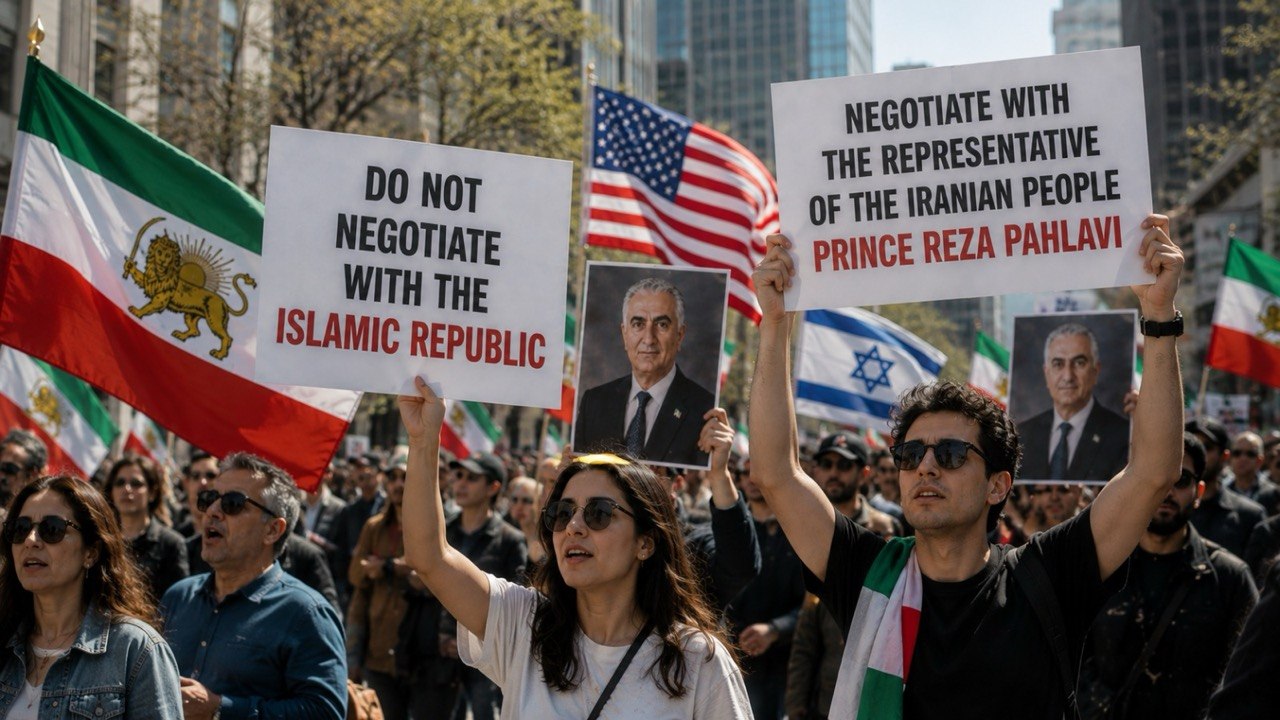
This pattern of futility is not accidental. It stems from fundamental flaws in the approach: treating the Islamic Republic as a legitimate negotiating partner while sidelining the authentic representatives of the Iranian people, most notably Crown Prince Reza Pahlavi. Any serious negotiation that excludes the voice of the Iranian people who gave up their lives during January 2026 Lion and Sun Revolution, particularly a figure with the historical legitimacy and broad support, is neither correct in principle, ethical in execution, nor capable of yielding durable results.
Forty-Seven Years of Fruitless Diplomacy
The track record is damning. From the Algiers Accords that ended the hostage crisis to the JCPOA nuclear deal of 2015 and subsequent indirect talks in places like Oman, the West has offered sanctions relief, frozen asset releases, and diplomatic recognition in exchange for promises of restraint. Time and again, the regime has pocketed concessions, violated commitments, and emerged stronger. Nuclear enrichment has advanced, ballistic missile programs have progressed, and the IRGC’s regional footprint, from Hezbollah in Lebanon to the Houthis in Yemen, has expanded. Each American election cycle brings fresh optimism in Washington, only for reality to reassert itself in Tehran.
The regime’s survival and consolidation of power owe much to this engagement. Every round of talks buys time, legitimises the ayatollahs on the international stage, and provides economic oxygen that sustains repression at home. While U.S. presidents come and go, Carter, Reagan, Bush, Clinton, Bush, Obama, Trump 45, Biden, and now again Trump 47, the mullahs and their security apparatus endure, refining their tactics of evasion and duplicity.
A Terrorist Regime Built on Lies Cannot Be Trusted
The first and most insurmountable obstacle is the regime’s congenital dishonesty. The Islamic Republic operates on a foundation of Taqqiyah (religious dissimulation) and strategic deception, perfected over decades. Negotiators from democratic societies, even when armed with the finest legal teams and most airtight language, cannot extract good-faith compliance from interlocutors who view lying to infidels as both permissible and tactically sound.
History bears this out repeatedly. The JCPOA, hailed as a triumph of multilateral diplomacy, was undermined by covert nuclear activities, undeclared sites, and a parallel weapons program that continued unabated. Promises to curb support for terrorism evaporated as soon as sanctions were eased. You cannot successfully contract with a counterparty that regards the agreement itself as a temporary tool for advancing revolutionary goals rather than a binding commitment. No amount of verification mechanisms or “snapback” provisions can overcome a partner that fundamentally rejects the premise of mutual benefit.
No Legitimacy to Represent Iran
Compounding the problem of dishonesty is a deeper crisis of legitimacy. The Islamic Republic does not govern on behalf of the Iranian people; it rules over them. Decades of protests, and various uprisings, demonstrate widespread rejection of the theocracy. The regime’s leaders prioritise ideological export, enrichment of the IRGC elite, and personal power over national prosperity or citizen welfare. Economic mismanagement, corruption, and brutal suppression have turned what should be one of the region’s most capable nations into an impoverished pariah.
Who, precisely, speaks for this entity in negotiations? The never seen Supreme Leader Aka Cardboard Mojtaba? The President? The IRGC? Power struggles and opaque decision-making make even identifying a reliable counterpart difficult. An unelected theocracy that jails, tortures, and executes its own citizens lacks the moral and popular authority to bargain over Iran’s future. Genuine negotiations about Iran’s place in the world must include those who represent the aspirations of the Iranian nation not its oppressors. Excluding Reza Pahlavi, who has consistently called for secular democracy, non-violent transition, and national reconciliation, severs the process from the people it most affects.
Structural Asymmetry Between Democracies and Dictatorships
Western democracies labor under inherent disadvantages in prolonged diplomatic marathons. Elected leaders face term limits, shifting domestic priorities, and electoral accountability. Diplomats rotate, institutional memory resets with each administration, and public opinion sways policy. Dictatorships like the Islamic Republic enjoy the opposite: continuity of personnel, ideological consistency, and the ability to play the long game without fear of voters.
The regime’s diplomats and negotiators have often served for decades, honing skills in evasion while their Western counterparts change every few years. This asymmetry favours the mullahs. They exploit Western desire for quick wins and “deals” that can be touted in election cycles, knowing full well that the next U.S. administration may undo or renegotiate previous efforts. Stability in foreign policy is a luxury of authoritarian systems; democracies must compensate with moral clarity and strategic consistency, qualities often missing when engaging rogue regimes in isolation from their domestic opponents.
The Imperative of Inclusion and the Urgency of Action
Meaningful progress requires a fundamental shift: centring the Iranian people and credible opposition figures like Reza Pahlavi in any discussion of Iran’s future. Legitimacy flows from the consent of the governed, not from the guns of the Revolutionary Guards. Negotiating solely with the regime perpetuates the illusion of its permanence and betrays millions of Iranians yearning for freedom.
Recent events underscore the human stakes. The sudden passing of Senator Lindsey Graham at age 71 reminds us that even the most dedicated public servants do not live forever. Good men and women, whether Graham, Mark Levin, Donald Trump, or Reza Pahlavi himself, do not possess the lifespan of Noah. Patience has limits. The Iranian people have waited nearly half a century. The window for a peaceful, internally driven transition is narrowing as the regime’s provocations risk wider conflict.
This must end. The United States and its allies should recognise that sustainable policy toward Iran requires partnering with the opposition leader that represents the nation’s democratic aspirations, not endlessly rewarding the theocracy that has hijacked it. Only by aligning with the Iranian people, through voices like Reza Pahlavi, can negotiations become ethical, legitimate, and finally productive. The alternative is another generation of fruitless talks, emboldened terrorism, and a nuclear threshold state that threatens the world.