

Examining Extremism, Identity, and Influence
Why Is Washington Allowing Pakistan’s Lashkar-Aligned Networks?
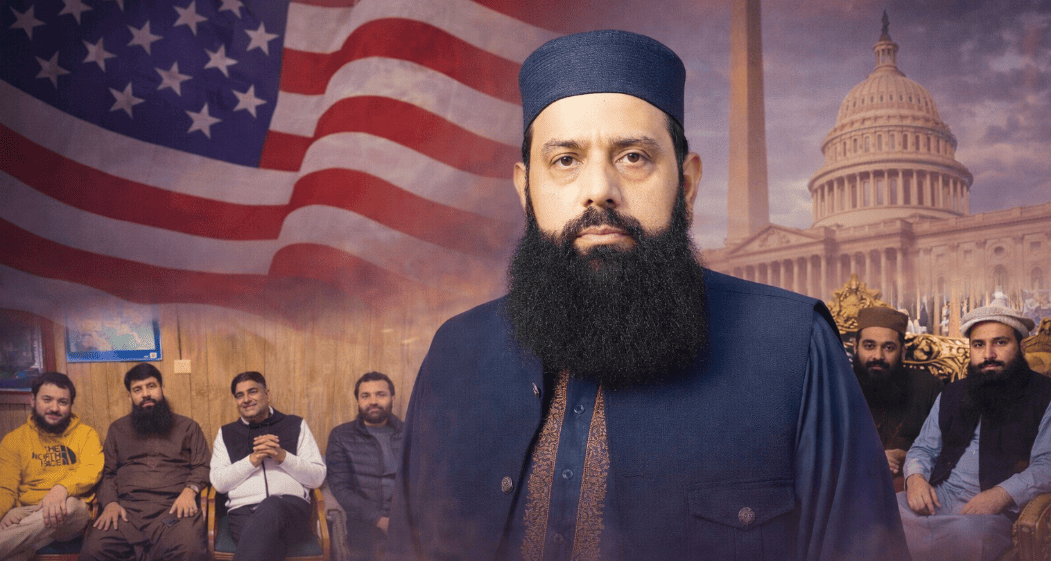
Photo: Courtesy of the Author
The Trump administration must urgently rethink why this standard is not applied to the supporters of Lashkar-e-Taiba.
The upcoming general elections in Pakistan have marked a disturbing turning point in the geopolitics of South Asia, signaling the final collapse of the fragile firewall between statecraft and syndicated terror. It is no longer a shadow game where the “deep state” quietly nudges its assets; the mask has fallen completely.
The political front of the Lashkar-e-Taiba (LeT), operating under the banner of the Pakistan Markazi Muslim League (PMML), is not just contesting elections—it is aggressively mainstreaming individuals whose hands are stained with the blood of innocents and whose rhetoric fuels the fires of jihad across borders.
At the heart of this brazen legitimation of terror stands a terrifying duo: Saifullah Qasuri, the masterminded butcher of the Pahalgam terror attack in India, and Allama Ibtisam Elahi Zaheer, a firebrand cleric whose theological veneer barely conceals a militant agenda.
While the world watches the democratic process in Pakistan with skepticism, a far more dangerous negligence is occurring in the West. Key figures in this terror-apologist ecosystem are not only roaming free in Pakistan but are being hosted in the United States, exposing a catastrophic blind spot in American homeland security.
The Theological Mask: From Pulpit to Battlefield
Allama Ibtisam Elahi Zaheer is often mischaracterized by casual observers as a generic Salafi cleric, a simplification that is both lazy and dangerous. A deeper forensic analysis of his ideology reveals a specific “Salafi-Ikhwani” orientation—a hybrid strain that merges Salafi puritanism with the political subversion of the Muslim Brotherhood (Ikhwanul-Muslimeen).
This distinction is vital for intelligence analysts to grasp. Ibtisam is a declared enemy of the “Salafi-Madkhali” school of thought, specifically opposing moderate scholars like the late Shaykh Rabee Al-Madkhali, who famously exposed the extremist political deviations of figures like Syed Qutb and Hassan al-Banna.
By opposing the quietist Madkhali tradition, Ibtisam aligns himself with a revolutionary, militant interpretation of Salafism that necessitates political upheaval and violence.
This is not theoretical theology; Ibtisam has weaponized his influence for tangible violence. During the heightened tensions following the Pulwama terror attack—a suicide bombing that brought India and Pakistan to the brink of nuclear war—Ibtisam publicly called upon then-Prime Minister Imran Khan to allow his female students to serve as “medical volunteers for the mujahideen.”
Furthermore, he has openly boasted of having an army of madrasa students ready to carry out “full-blown attacks” against India.
His organization, the Ahle-Hadees Youth Force masquerades as a Salafi youth group, open-source intelligence indicates it is heavily infiltrated by Jamat-e-Islami and Ikhwanul-Muslimeen operatives, turning it into a recruitment pool for radical causes rather than a vehicle for religious study.
The group is “Salafi” in name only; in practice, it functions as a mobilizing engine for the very political Islam that Western democracies have spent two decades fighting.
The Ghost of Pahalgam and the LeT Alliance
Running alongside Ibtisam in this electoral charade is Saifullah Qasuri. For those familiar with the history of terror in Kashmir, Qasuri is a name synonymous with brutality. He is the mastermind behind the Pahalgam terror attack in India, an assault designed to massacre pilgrims and shatter the peace of the valley.
The fact that Qasuri is running for office under the PMML banner—the rebranded political face of the UN-designated terror group Lashkar-e-Taiba—draws a chilling parallel to the horrors of the 26/11 Mumbai attacks.
The ideology that fueled the gunmen in Mumbai is the exact same ideology propounded by Qasuri and endorsed by his ally, Ibtisam Elahi Zaheer. There is no degree of separation here; they share stages, they share narratives, and they share a vision of an Islamist state expanded through violence.
Their participation in the elections validates the LeT’s methods, signaling to aspiring jihadists that mass murder is not a crime, but a qualification for public office. By allowing these figures to participate in the democratic process, the Pakistani state is effectively laundering the reputations of terrorists, granting them the cover of political legitimacy while they continue to harbor militant ambitions.
The American Blind Spot: Hisham’s Mobilization
Perhaps the most alarming aspect of this saga is not what is happening in Lahore, but what is happening in New York and Maryland.
While Ibtisam anchors the radical base in Pakistan, his own-brother and ideological twin, Hisham Elahi Zaheer, has been granted access to the United States.
Open-source intelligence (OSINT) confirms that Hisham—who shares his brother’s lineage and vocal support for LeT and its chief Hafiz Saeed—was hosted as a guest speaker at Masjid Umm Qura in Brooklyn, New York.
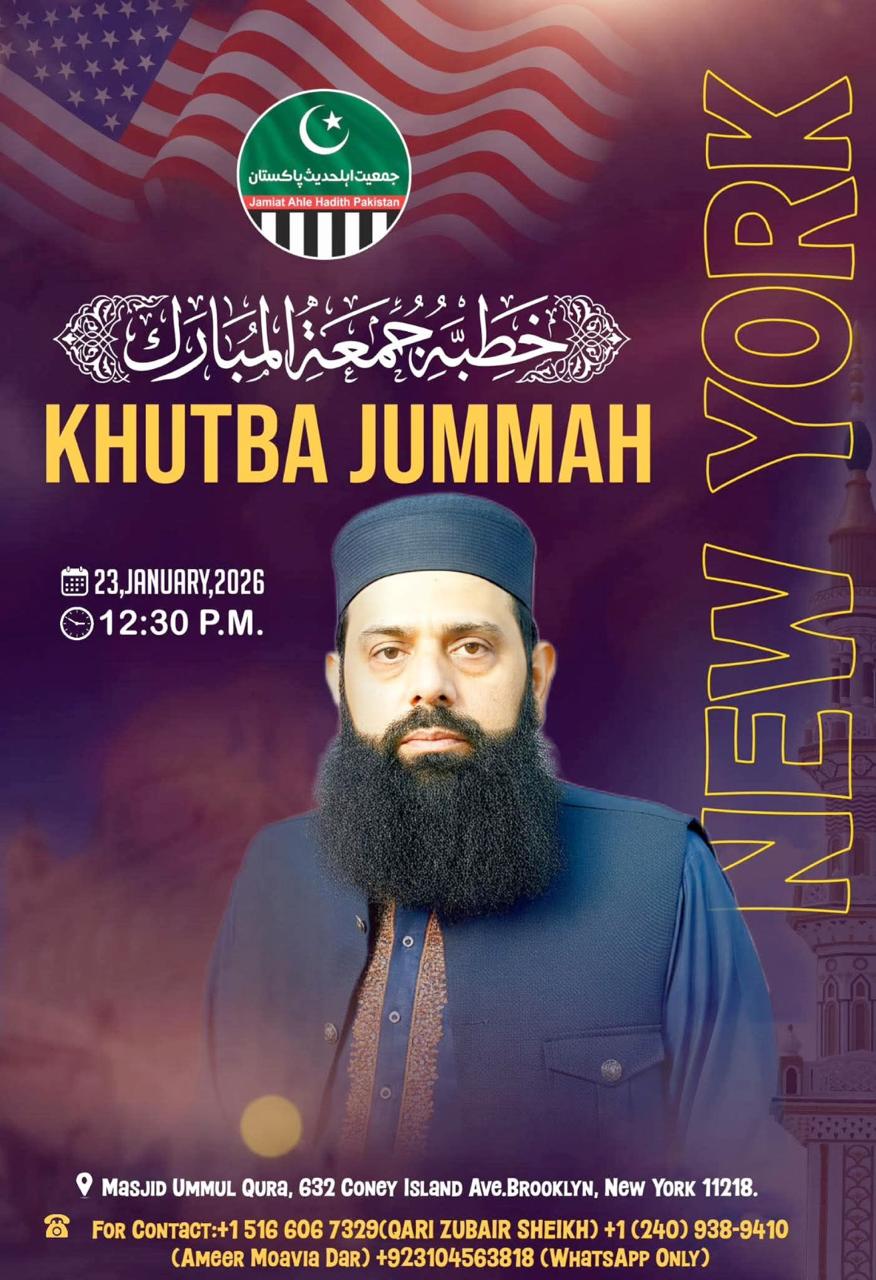
Why is a leader of a movement that offers students as assets for “mujahideen” allowed to address public gatherings on American soil? These are not quiet family visits; they are mobilization efforts designed to energize a diaspora that may be unaware of the brothers’ deep ties to militant networks.
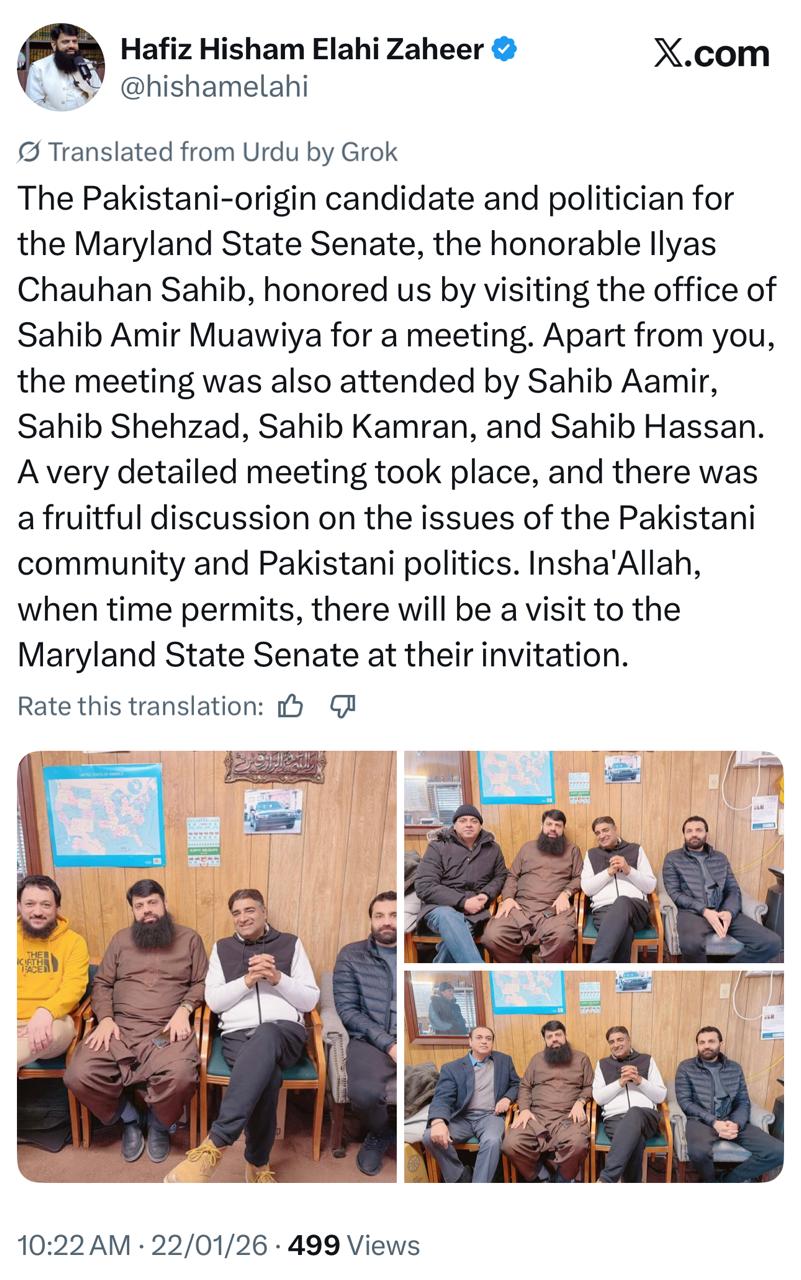
The rot extends to local US politics as well. In Maryland, Pakistani candidate and politician Ilyas Chauhan was reported to have visited the office of Amir Muawiyah specifically for a meeting to align with the faction of Ibtisam Elahi Zaheer.
This interaction legitimizes a radical cleric within the American political fabric, creating a bridge between domestic US communities and the radical terror infrastructure of Pakistan. It raises serious questions about the vetting processes for those who interact with American political figures and the due diligence performed by community leaders.
Washington’s Fatal Glitch: Ignoring the Political Rebranding of LeT
The Trump administration has taken a commendable hard line against supporters of Hamas, recognizing that those who endorse terror ideologies have no place in the United States. The logic is sound: if you support the burning of kibbutzim or the murder of civilians in Gaza, you forfeit the privilege of entering America.
Yet, the Trump administration must urgently rethink why this standard is not applied to the supporters of Lashkar-e-Taiba. LeT has American blood on its hands. It has Indian blood on its hands. Its ideology is indistinguishable from the hatred that drives Hamas.
Allowing Hisham Elahi Zaheer to tour the US, raise funds, and spread the Salafi-Ikhwani poison of his brother Ibtisam is a strategic failure. The parallels are stark: if a Hamas ideologue cannot set foot in New York, why can an ally of the Pahalgam butcher?
The US State Department and the Trump administration must act swiftly. The visa privileges of these terror-apologists must be revoked, and an investigation must be launched into the domestic networks—like the hosts in Brooklyn and Maryland—that facilitate their presence. To ignore them is to invite the ideology of 9/11 back onto American streets.