Why Reza Pahlavi May Be Iran’s Most Viable Transitional Figure
As debate over Iran’s political future resurfaces with renewed urgency, one name has steadily moved to the centre of national and diaspora discussions: Reza Pahlavi.
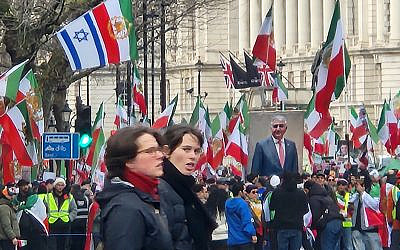
One of the most telling observations comes not from monarchists, but from Abdollah Mohtadi, Secretary-General of the Komala Party of Iranian Kurdistan, who remarked that republican opponents of Pahlavi remain chronically divided and lack even a recognised spokesperson. Whatever one’s political orientation, the broader reality is difficult to ignore: Iran’s opposition has long suffered from structural fragmentation.
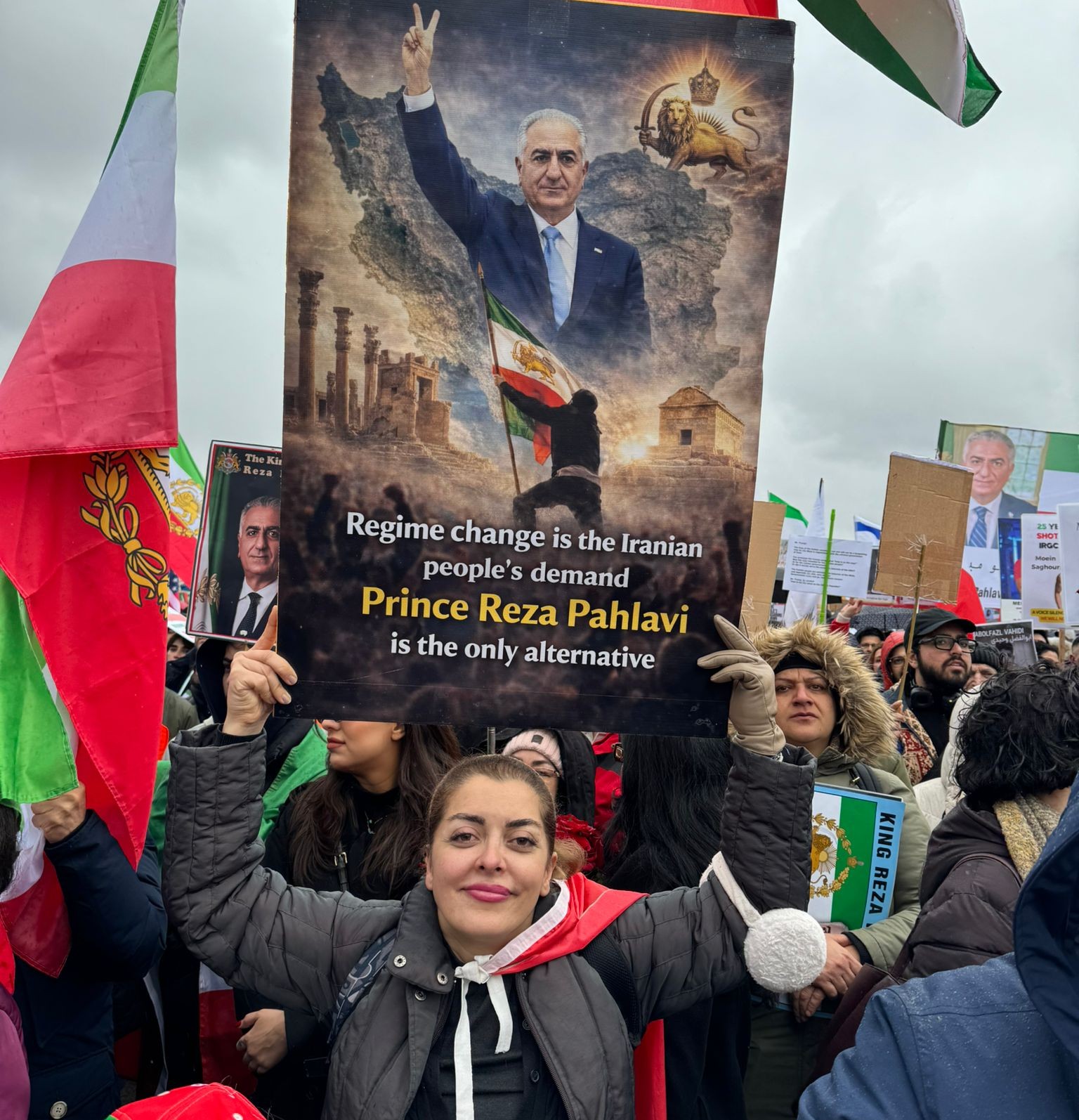
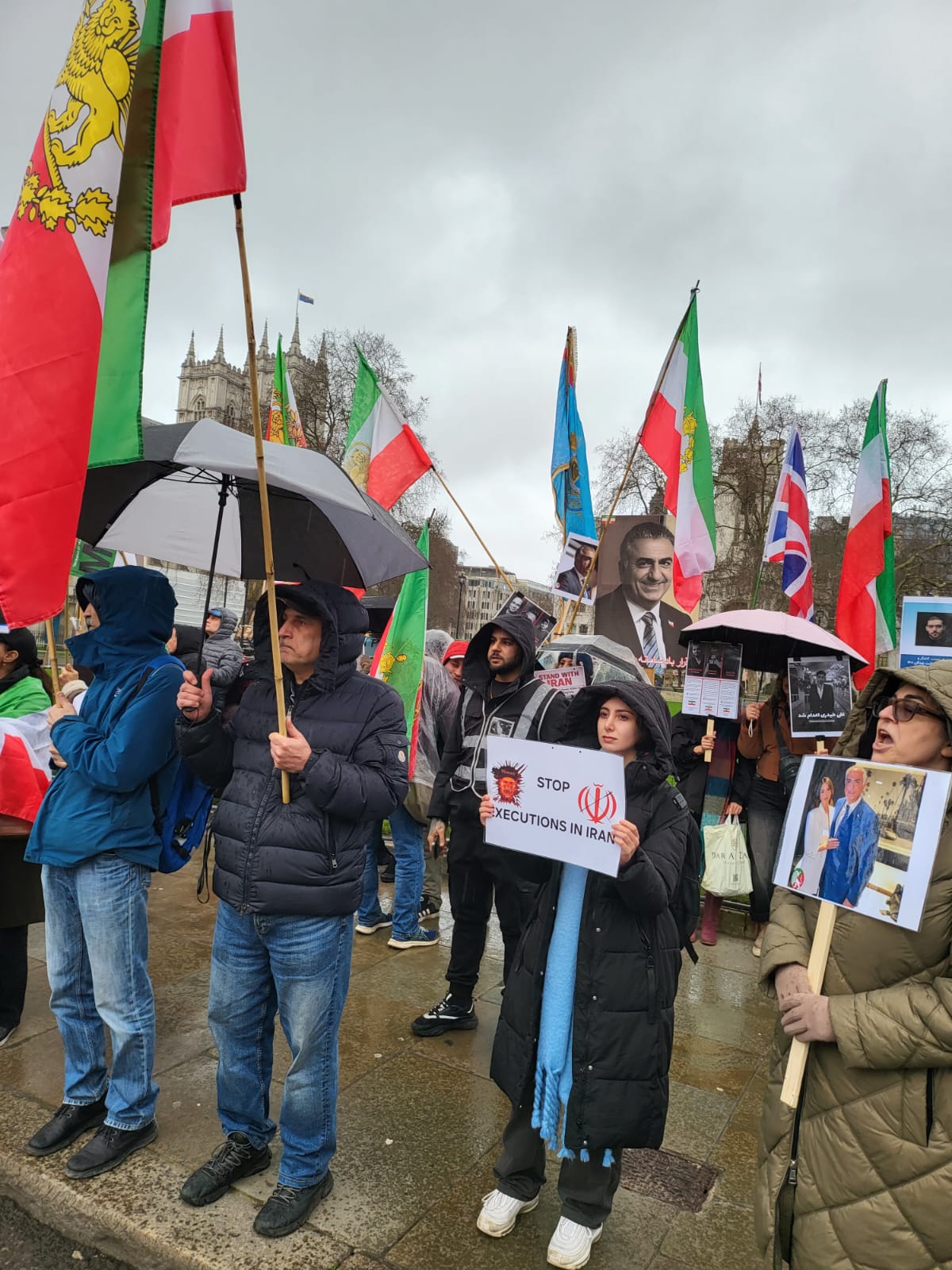
By contrast, Pahlavi’s name has increasingly appeared in public spaces inside Iran, from graffiti to stadium chants and, more recently, university campuses. Reports suggest that the intensity of pro-Pahlavi slogans during sporting events led authorities to hold matches without spectators. Whether one interprets this as momentum or symbolism, it indicates a presence that extends beyond digital activism.
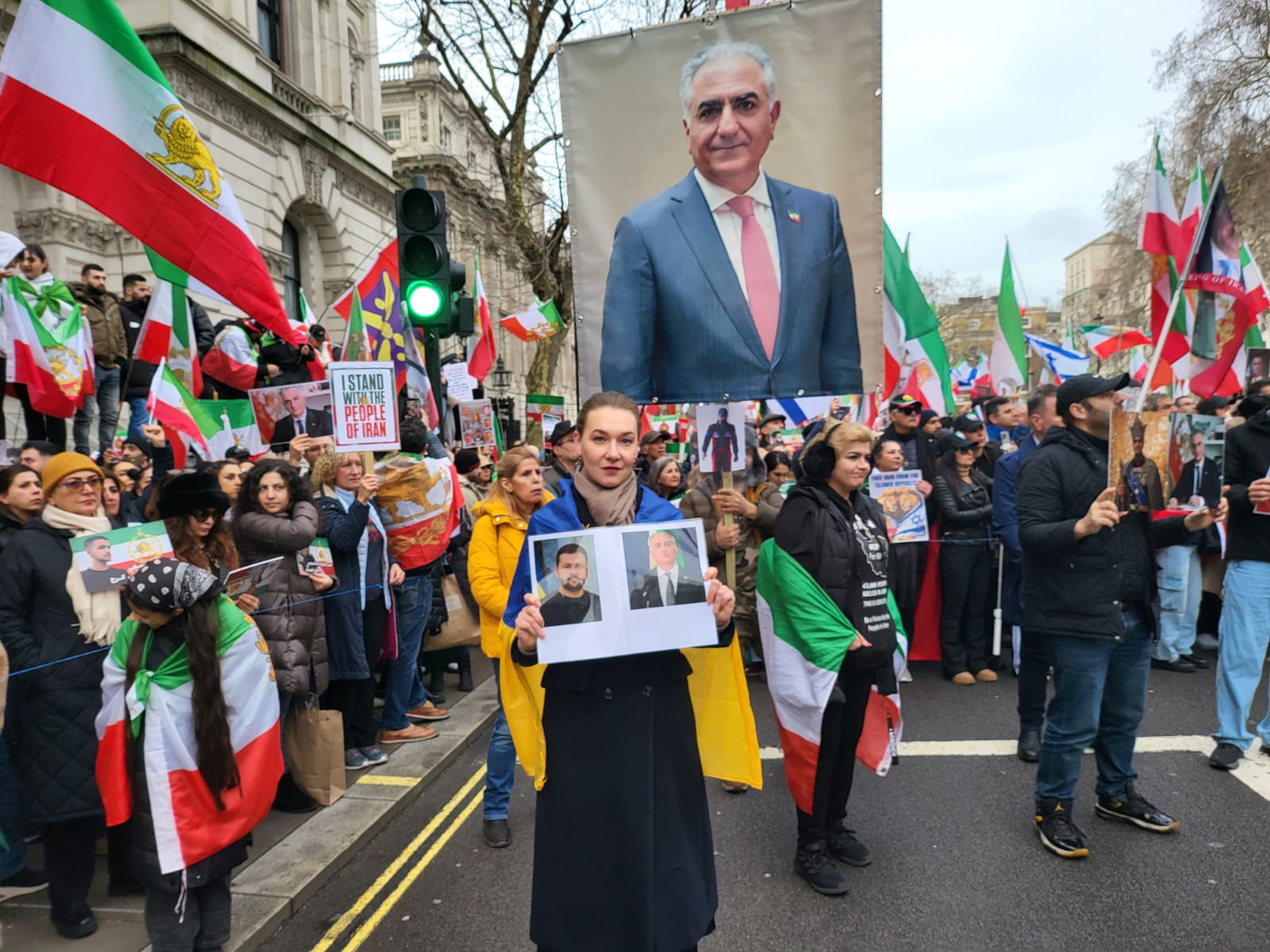
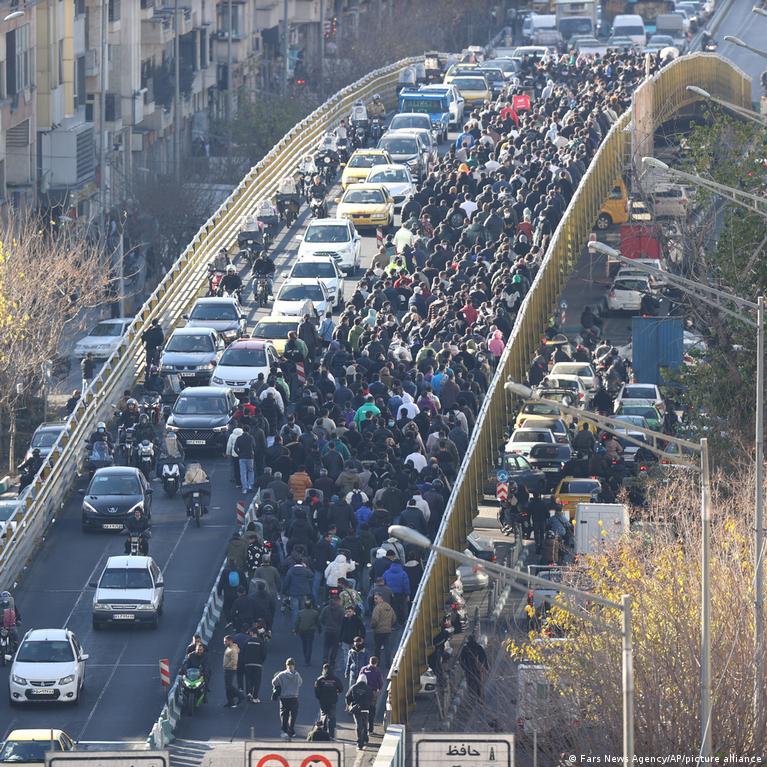
The protests of 18 and 19 Dey [8 and 9 January 2026], called by Pahlavi, marked a turning point. Demonstrations reportedly drew massive participation across multiple Iranian cities, followed by a brutal crackdown in which over 30,000 people were killed within two days. In the nights that followed, calls for coordinated window-side chanting were widely answered. Large-scale solidarity rallies were also reported in Munich, Toronto, Melbourne and Los Angeles. For supporters, these events were not merely demonstrations but a test of mobilising capacity — one that Pahlavi appeared to pass.
Critics argue that popularity does not equal leadership. They question organizational structure and long-term political planning. Yet Pahlavi has consistently defined his role not as a claimant to power but as a transitional facilitator. He has stated repeatedly that any future leadership must be determined by the people through a constituent assembly. This distinction is significant: it frames his involvement within democratic mechanisms rather than hereditary entitlement.
Concerns about a potential return to authoritarian monarchy also surface frequently. Yet such claims require evidence. Over decades spent largely outside formal power structures, there has been no documented advocacy of political violence, suspension of civil liberties or anti-democratic governance in Pahlavi’s public record. His rhetoric has consistently centred on peaceful transition, secular governance and electoral legitimacy.
The larger strategic question is not ideological but practical: who can manage the day after? The collapse of a deeply entrenched ideological regime rarely produces immediate stability. Post-collapse Iran would likely face risks of fragmentation, paramilitary interference and institutional vacuum. In such a scenario, symbolic legitimacy combined with international recognition could prove decisive.
Here, Pahlavi’s profile matters. He is internationally known, fluent in multiple languages and familiar to policymakers in Europe and North America. For a country seeking rapid reintegration into the global system, credibility and recognisability are not trivial assets.
Moreover, modern constitutional monarchy — as practiced in numerous parliamentary democracies — bears little resemblance to pre-modern autocracy. In contemporary models, executive authority rests in elected institutions, while the monarch serves as a unifying symbol above factional politics. For a society emerging from ideological theocracy, such symbolic neutrality could provide stabilizing continuity without concentrating executive power.
Ultimately, the argument for Pahlavi is less about nostalgia and more about convergence. In an opposition landscape historically marked by fragmentation, a recognised figure capable of concentrating dispersed political energy may represent the most realistic pathway to an orderly transition.
Iran’s future will not be determined by symbolism alone. But in moments of national rupture, symbols that command both domestic resonance and international familiarity can become instruments of stability rather than division.
The question, therefore, is not whether Reza Pahlavi is perfect. It is whether, at this particular historical juncture, he may be the most viable transitional figure available.