Why Rush?
Doors match their houses.
The Jewish People are given their first mitzvot in this week’s parashah. Amongst them are very specific instructions about sacrificing a lamb, the Korban Pesach – the Paschal Lamb. This korban will serve as the initiation process of the Jewish People. All Egyptian firstborns will be killed, and the Jews who slaughter the lamb and put its blood on their doorposts and lintel will be saved. Upon completion of this sacrifice, God will redeem them from slavery and make them His people. The Jews will forever be servants of God, and never again be only slaves. If there was ever any ceremony whose details would hint to us the nature of God’s budding relationship with His people, this would be it. Yet, the outstanding theme seems strange. The Jews are commanded to eat the Korban Pesach quickly:
וְכָכָה֘ תֹּאכְל֣וּ אֹתוֹ֒ מָתְנֵיכֶ֣ם חֲגֻרִ֔ים נַֽעֲלֵיכֶם֙ בְּרַגְלֵיכֶ֔ם וּמַקֶּלְכֶ֖ם בְּיֶדְכֶ֑ם וַאֲכַלְתֶּ֤ם אֹתוֹ֙ בְּחִפָּז֔וֹן פֶּ֥סַח ה֖וּא לַה’ (שמות יב:יא)
This is how you shall eat it: your loins girded, your sandals on your feet, and your staff in your hand, and you shall eat it hurriedly: it is a Passover offering to God (Shemot 12:11)
This theme of “being in a hurry” is not limited to the eating of the Korban Pesach. The Torah informs us that the Jews ate matzah bread when they left Egypt, as they, banished by Egypt, left in a hurry and the bread had no time to rise (12:39). The prohibition against eating chametz on Pesach (12:15) is a further expression of this idea. Chametz is bread that has taken time to leaven. On Pesach, we eat matzah whose preparation is rushed. Eating the Korban Pesach while dressed for travel, staff in hand, many hours before their voyage started, also builds an atmosphere of haste.
With great creativity, R. Chizkiah ben Manoach (Chizkuni 12:11-12) expands this idea of “חפזון-haste” to encompass many of the quirkier details of the Korban Pesach. It must be roasted, as this is the quickest way to cook the lamb, bringing the meat into direct contact with fire. It cannot be boiled. This prevents the meat from disintegrating into many pieces as eating it in a piecemeal way would take longer. It has a short deadline for when it all had to be eaten. It was forbidden to take the Korban Pesach out of the house, as that would lead to delay and distraction in its hurried consumption. He even suggests that it was to be eaten with bitter herbs, so that it would be eaten swiftly: when you eat something too sharp, you try to finish it quickly. The prohibition against breaking the bones of the Korban Pesach ensured that people did not dawdle, spending time digging out the marrow from the bones. The entirety of that night of redemption, and the Leil HaSeder that we observe to eternalize it, revolve around the idea of being in a rush.
In the Rambam’s Haggadah, he turns this very theme into the introduction of “Maggid”, the discussion part of Leil HaSeder. Instead of beginning with the recitation of “הא לחמא עניא-this is the bread of affliction”, that is commonly said as the first part of “Maggid”, he prefaces it with three words:
“בבהילו יצאנו ממצרים – we left Egypt in a hurry”
The theme is very clear. Everything points towards haste. Why?
One answer to that question could be found hinted at in an interesting Midrash which mentions three different parties who were rushing on that night of redemption in Egypt.
ואכלתם אותו בחפזון זה חפזון מצרים… רבי יהושע בן קרחה אומר ואכלתם אותו בחפזון זה חפזון ישראל… אבא חנן משום רבי אליעזר אומר זה חפזון שכינה אף על פי שאין ראיה לדבר זכר לדבר. קול דודי הנה זה בא מדלג על ההרים מקפץ על הגבעות (מכילתא דרבי ישמעאל בא מסכתא דפסחא ט)
“And you shall eat it in haste,” this refers to the haste of Egypt…R. Yehoshua says: “and you shall eat in haste”: This is the haste of Israel…Abba Channan says in the name of R. Elazar: This (“in haste”) is the haste of the Shechinah (God’s presence). And even though there is no proof for this, it is intimated in (Song of Songs 2:8) “The voice of my Beloved, behold, it comes, skipping over mountains and jumping over hills.” (Mekhilta DeRebbi Yishmael, Bo, Masechta DePischa 9)
The first two approaches make sense. The Jews wanted to leave and the Egyptians wanted them out. The approach of R. Eliezer is startling: God was in a hurry. Perhaps the one being who cannot be hurried is God. The Creator of time and the grand organizer of the miraculous exodus from Egypt chose the time when all of this would happen. He cannot be in a rush. Yet, He is described as being so. Why?
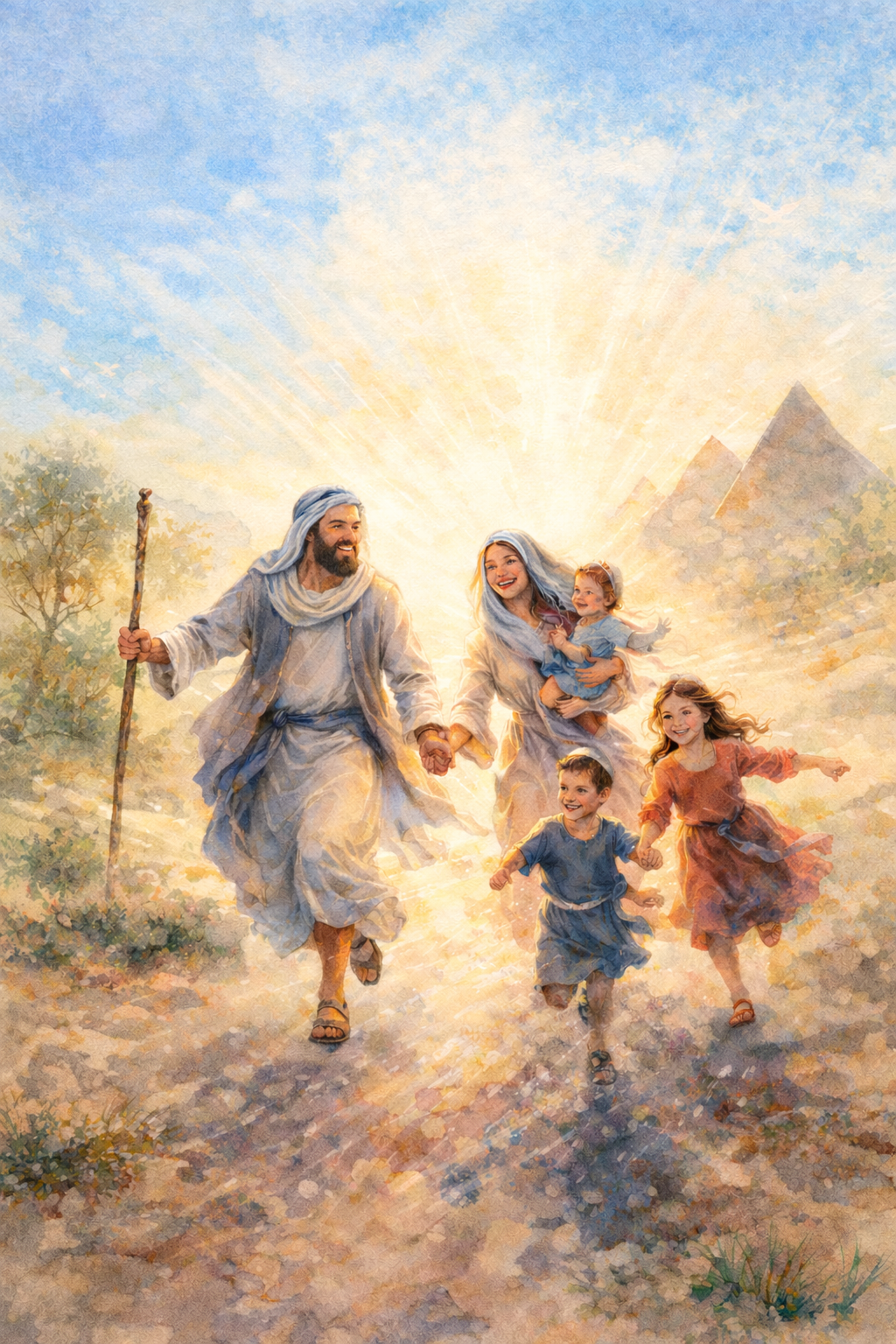
The answer is hinted at in the verse that the Midrash quoted to stress this point: “קולי דודי הנה זה בה – the voice of my Beloved is coming”. People rush to the people they love. The excitement of seeing them, the impatience of not being with them, causes them to hurry towards them. There was no need to rush the end of slavery; the liberation of the Jews was all but complete. Nevertheless, God rushed to liberate His people to show that He loved them.
Symbolically, the Jews were supposed to be ready to leave Egypt as soon as possible. Like a child with all the excitement of youth, they were supposed to be dressed and ready to travel, hours before they needed to go. All the details of the Korban Pesach point towards being rushed because they are all signs of love. We are rushing to greet God, and He is rushing to greet us.
אני לדודי ודודי לי (שיר השירים ו:ג)
I am my Beloved’s, and my Beloved is mine (Song of Songs 6:3).
Ever since then the theme of “חפזון-haste” continues to run through our Leil HaSeder. We annually reaffirm this ongoing love.
The Exodus from Egypt was not just the beginning of Jewish history, but the beginning of the world’s longest love story. Through peaks and valleys, skipping over mountains and jumping over hills, it continues to this day. This was the initiation process of the Jewish People. The door matches the house. Start as you mean to continue.