Will Jews Ever Feel Safe Gathering in Public Again
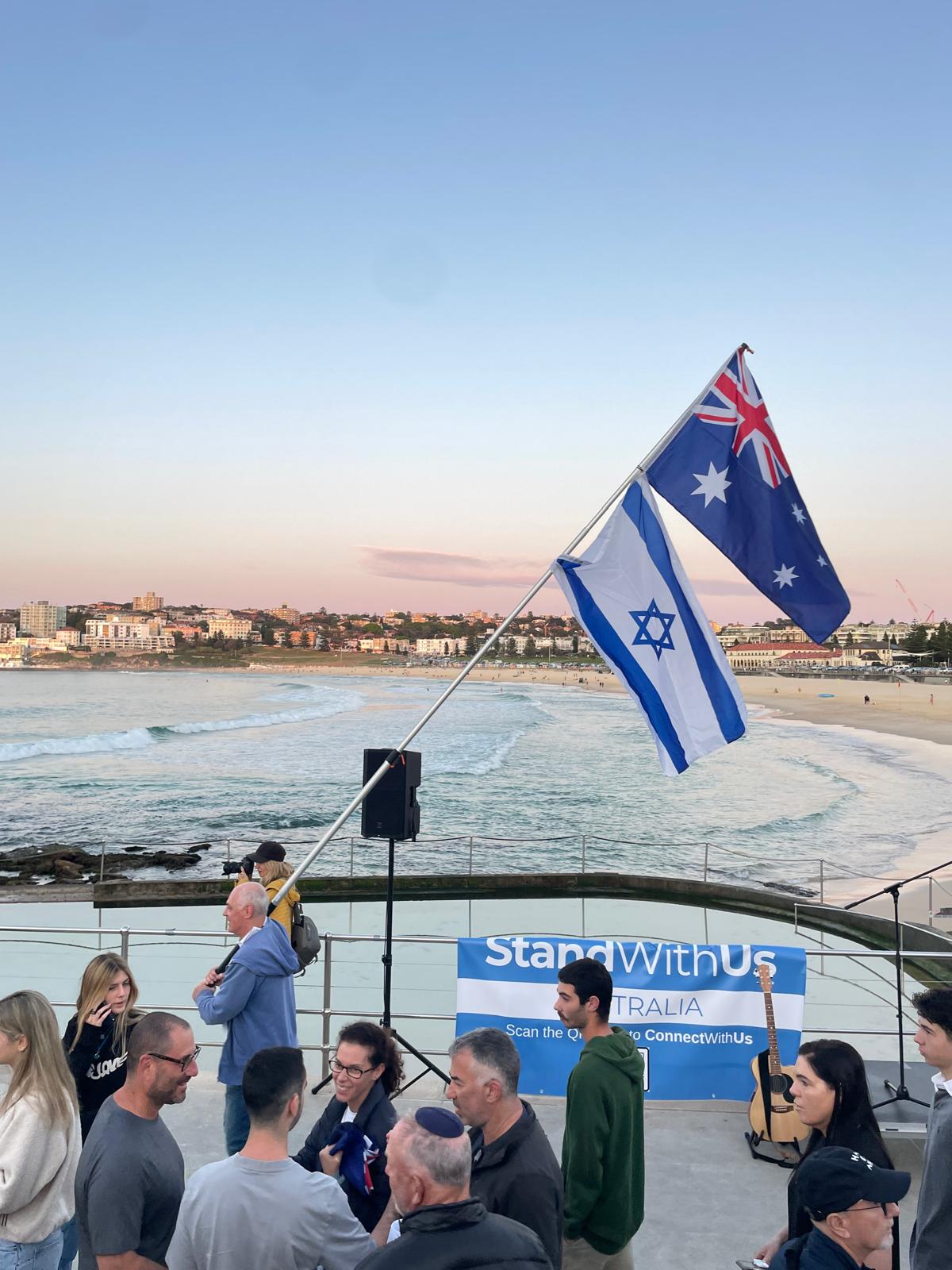
Yesterday morning, before the sun came up, I stood in the courtyard of the Bondi Pavilion in Sydney watching people arrive. At 6.29am, we marked the exact moment, three years earlier, when the October 7 attack began.
In my remarks, I spoke about how October 7 changed Jewish communities around the world. It changed the way we think about Israel, the way we understand antisemitism, the conversations we have with our children and, increasingly, the way we think about our own safety.
What struck me most yesterday was how deeply that last point has changed.
For weeks, we had been planning the commemoration. There were speakers, prayers, music, dignitaries, media, weather and all the usual logistics. But running through everything was security. In the final 24 hours, I received an extraordinary number of phone calls, messages and emails asking the same questions: what security would be in place, what level of policing would there be, where exactly was the venue, and was it safe to attend?
Those questions continued late into the night and into the early hours of the morning, almost until people began arriving.
What stayed with me was that these were not people looking for reasons not to come. They wanted to be there. They felt they needed to be there. They simply wanted reassurance that standing with their community in a public place would be safe.
That is what has changed.
We used to gather outside without thinking about the fact that we were outside. We met in parks, courtyards, and public spaces. We worried about rain, parking, microphones and whether enough people would come. We did not instinctively think about entry points, exits, barriers, police presence or who might be watching.
Of course, security around Jewish institutions is not new. But what feels different now is the loss of that basic assumption that public space is safe.
October 7 was part of that change, but December 14 made it much more immediate for the Jewish community in Sydney. The two dates do not sit in isolation from one another. October 7 changed our understanding of the threat. December 14 brought that threat brutally close to home. After a deadly attack on a Jewish gathering at Bondi, it is impossible to tell people not to think about what might happen when they gather publicly again.
That was the reality behind yesterday morning.
The courtyard was filled with people who had come to remember, to stand together and to show solidarity. I felt an extraordinary sense of strength, community, and resilience. There was something deeply moving about seeing people arrive before dawn, some wrapped in Israeli flags, some standing quietly, some in tears, all choosing to be there.
But alongside that strength was another feeling I could not escape: will we ever again gather in a public place without looking over our shoulders?
Will we ever hold a Jewish event outside without increased security, without police protection, without thinking carefully about who knows the location and what precautions are required?
That is the part I find hardest to accept.
We can be strong and still admit that something has been lost. We can be grateful for police protection and still ask why it has become necessary. We can take every sensible precaution and still recognise how far from normal it is that people need reassurance before attending a peaceful dawn commemoration.
There is a danger that we become used to all of this, that police cars outside Jewish events become unremarkable, that security planning becomes just another line on the running sheet, and that looking over our shoulders becomes instinctive.
I do not want us to accept that as normal.
Public space belongs to us too. Jewish Australians should be able to gather openly, commemorate, celebrate, pray, sing, and simply stand together without wondering whether doing so carries a risk.
Yesterday gave me enormous hope because people came anyway. They came despite the questions, despite the anxiety and despite everything that has happened since October 7 and December 14.
That is resilience.
But resilience should not mean learning to live permanently behind security.
The hope must be that one day gathering outside as Jews in Australia can again feel completely ordinary.
At the moment, it does not.