

Yesterday Uploaded, Tomorrow Downloaded
Part I – When Yiddish Enters the Machine
A Yiddish poem about chips, processors, memory and networks may sound unusual. Yet after publishing די טשיפּלעך שפּילן זיך אין מכשירלעך – The Little Chips Play in Little Devices – something unexpected happened. It reached readers far beyond the circles that usually encounter contemporary Yiddish poetry, often through the English translation accompanying it.
Perhaps this should not be surprising. The question is not whether Yiddish can speak about computers, but what happens to these objects when Yiddish speaks about them.
די טשיפּלעך שפּילן זיך אין מכשירלעך
צוּערשט אַ קאַסטן, אַן אײ ־ אַ ליגפּלאַץ,
פֿאַרמאַכט, זאַנפֿט, לעבלעך, מיט שלאָפֿנדיקע כוחות דאָרטן,
דער פּראָצעסיסאָר האַלט נאָך זײַנע חשבונות און שטילקײט
ביז דער שטראָם קומט אַרײַן –
The Little Chips Play in Little Devices
At first, a box, an egg – a place to lie,
closed, gentle, alive, with sleeping forces there;
the processor still keeps its reckonings and silence
until the current comes flowing in –
אױטאָמאַטישװײַז ־
הײבט עפּעס אָן צו אָטעמען.
automatically –
something begins to breathe.
The diminutives tshiplekh and makhshirelekh bring technology close without making it childish. The machine begins almost as an egg. Somewhere it is hatched in a technical nest where silicon, copper, metal and heat lie together. Human fingers place “limb beside limb” and wait until the little light blinks.
The poem does not pretend that a computer is biologically alive. It notices instead how easily our technological vocabulary already approaches the language of living things: machines wake, programs run, memory fails, systems die. Here that vocabulary is carried back toward birth, growth and eventually healing.
דער עקראַן עפֿנט די מסגרות, דער לױפֿער רירט זיך,
בײַטן לױפֿן װי קלײַנע צעלן פֿון אײן אָרט צום צװײטן,
דער זכּרון זאַמעלט נעמען, צײכנס, בילדער, שטימען,
דאָס מכשירל װאַקסט מיט אַלע נײַע טעקען.
The screen opens the frames, the cursor moves;
bytes run like tiny cells from one place to another.
Memory gathers names, signs, images, voices;
the little device grows with all its new files.
Zikorn, memory, already opens more than one meaning. Computer memory stores information; human beings, languages and communities remember differently.
עס װאַקסט אַרײַן אין נעץ־פֿאַרבינדונגען, אַרום דער גאַנצער װעלט,
די צושטעלער רופֿן זיך איבער פֿון לאַנד צו לאנד,
פּאַטקעס גײן דורך קאַבלען, פֿיברעס, לופֿט און װעלן,
און װער זעט די פֿילע פֿאַרשײַדענע קרײַזן אונטערן עקראַן?
It grows into network connections around the whole world;
the providers call to one another from country to country.
Packets travel through cables, fibres, air and waves —
and who sees all the many different circuits beneath the screen?
A small device has moved from its nest into a worldwide network. A finger touches a screen and words, images and voices cross continents, while the immense structure making this possible remains largely invisible.
Yiddish knows something about such crossings. It too has travelled without depending entirely upon one territory, carrying layers of encounters inside ordinary words.
But the poem’s question remains: Who sees all the many different circuits beneath the screen? To see them, the machine must be opened.
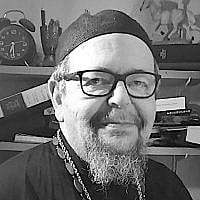
And the person who opens it is a Karelian man in Jerusalem, carrying another kind of memory in his limbs: the cold of the Soviet Gulag.
Part II – Opening the Body of the Machine
The person who opens the machine is remembered first as a Karelian man who once lived in Jerusalem.
אין ירושלים איז אַ מאָל געװען אַ קאַרעלישער מענטש,
אַרױס פֿון סאָװעטישן גוּלאַג, נאָך מיט דער קעלט אין די בײַנער,
ער האָט גערעדט מיט ברײַטע, רײַכע װערטער־אוצרות
און די טעכניק האָט אױסגעדרוקט זיך צװישן־קאָרדאָנישע קלאַנגען.
Once in Jerusalem there was a Karelian man,
out of the Soviet Gulag, still carrying its cold in his bones.
He spoke with broad and abundant treasuries of words,
and technology expressed itself in sounds crossing between borders.
The geography matters. Karelia is itself a region crossed by languages, peoples and shifting frontiers. This man had emerged from the Soviet world and the Gulag, yet remained linguistically broad. Technology entered his multilingual vocabulary naturally: technical words, like machines themselves, travelled across borders.
דער קאַרעליער האָט געטראָגן תפֿיסה אין די אבֿרים,
נאָר זײַן אָטעם איז געבליבן ברײַט װי די לאָקאַלע װעלדער,
אַ מענטש פֿונעם ראַטן־פֿאַרבאַנד, אײַנגעפֿאַסט אין גרענעצן און ראַמען ־
אַזױ קוקט ער שױן אין אַ קלײַנער תיבת־כלי און באַטראַכט עפֿענע צוקונפֿט.
The Karelian carried imprisonment within his limbs,
yet his breath remained as broad as the forests of his homeland:
a man from the Soviet Union, enclosed within borders and frames —
now looking into a little vessel-box and contemplating an open future.
The contrast between borders and frames and an open future introduces the movement that will dominate the rest of the poem.
ראָבאָטן האָט ער געקענט אײדער זײ זײַנען געװאָרן שכנים,
קאָמפּיוטער האָט ער געעפֿנט װי געװוּנדעדעטע גופים ־
״לײג צו די האַנט״, האָט זײַן מלאַכה געמײַנט,
״דאָ אינעװײניק קען עפּעס װײטאָן״.
He knew robots before they had become our neighbours;
he opened computers like wounded bodies.
“Lay your hand upon it,” his craft seemed to say,
“something in here may be hurting.”
The comparison is not literal. A computer does not experience a human wound. What matters is the technician’s gesture: do not immediately discard what has ceased to function. Open it, look, listen, feel.
A contact weakens, a wire grows tired, a chip heats up, a capacitor swells; the fan “coughs” with dust on its wings. The playful tut ma lad, hearing French toute malade through another linguistic ear, belongs naturally to this multilingual workshop.
מען עפֿנט דעם עצם־גוף ־ ניט נאָר צו פֿאַרריכטן,
מען זוכט װי דער שטראָם איז פֿאַרשװוּנדען ־
װאוּ דער פֿאַרשריבענער אײנ־זכר שטאַמלט,
װאוּ אַ סיסטעם קען ניט מער אױפֿשטײן,
The very body is opened — not merely to repair it;
one searches for where the current has disappeared,
where the inscribed inner-zekher begins to stammer,
where a system can no longer rise,
װאוּ אַ שטיקל מעטאַל באַדאַרף אַ ביסל אַכט.
Where a piece of metal needs a little care.
די פֿינגער מוזן פֿילן אײדער זײ בײטן אַ טײל,
ניט יעדער גוף דאַרף לײַדן מיט נײַע קראַנקײטן,
ס׳הײבט זיך װידער: צוריקברענגען אַ פֿרישע נשימה,
נײַע נוסחות דערלאַנגען דאָס לעבן פֿון מידע מכשירים.
The fingers must feel before they replace a part;
not every body should suffer from new illnesses.
It begins again: restoring a fresh breath,
new formulas extending the life of weary devices.
Repair is consequently more than replacement. Neshome – breath, soul – enters without claiming that a machine possesses a human soul. It expresses restored animation: something can function again.
Ptikhe becomes one of the central words. Opening may provide access, understanding, connection and renewal. But opening is not automatically good. The technician must also know when to close and protect.
Yesterday can be uploaded.
Tomorrow can apparently be downloaded before it has arrived.
Part III – Uploading Yesterday, Downloading Tomorrow
מען לאָדט אַרױף דעם נעכטן אין אַ נײַעם זכּרון,
מען לאָדט אַראָפּ דעם מאָרגן אײדער ער איז אָנגעקומען ־
הײַנט שטײט צװישן בײדע און זוכט זײַן פּאַראָל,
דער קלײַנער עקראַן פֿרעגט צי מיר זײַנען טאַקע מקײם…
Yesterday is uploaded into a new memory;
tomorrow is downloaded before it has arrived —
today stands between them, searching for its password;
the little screen asks whether we are truly fulfilling…
The verbs are ordinary computer language until they are applied to time. We already upload yesterday: documents, photographs, voices and archives migrate from ageing devices into new memories. Technology also anticipates tomorrow through calendars, predictions, programs and models. Yet today remains between them, searching for its password.
The unfinished mekayem – fulfilling, carrying out, keeping in existence – leaves a question rather than an answer. What exactly are we fulfilling? The screen cannot tell us.
On 9 August 2001, I was at the Sbarro pizzeria in Jerusalem. Before leaving, I asked a young waitress whether I could take a small book of Tehillim, Psalms, that was there. About ten minutes later came the explosion. I was still nearby and returned to help.
Twenty-five years later, I still carry that little Tehillim in my pocket.
Nothing needs to be added to the object itself. The Psalms can of course be digitized, copied and transmitted almost without limit. But this particular little book cannot be reduced to the information printed on its pages. It carries a place, a hand, a few minutes, those who were killed and wounded, and twenty-five years during which the same physical object continued to be carried.
Digital memory is not unreal memory. The little Tehillim was not merely stored. It was carried.
Languages are carried too. Yiddish has passed through radically different worlds, from manuscripts and printing presses to radio, keyboards, Unicode and screens.
Machines themselves also carry time:
אױך מאַשינען װערן מעכאַניש אַלט,
די פּאָרטן פֿאַרלירן זײער גרײטקײט, דער דיסק דרײט זיך שװאַכער,
נײַע פּראָגראַמען באַנײַען די אַלטע מאַשינען,
יעדע סיסטעם אַרבעט זיך גולמדיק ביז אַ פֿרישן תיקון.
Machines too grow mechanically old;
their ports lose their readiness, the disk turns more slowly.
New programs renew the old machines;
every system works its way golem-like towards a fresh tikkun.
Goylem suggests something incompletely formed; tikn carries repair, correction and restoration. Repair therefore need not mean returning something to an untouched beginning. It allows another stage to become possible.
The machine does not simply pass from newness to obsolescence. It repeatedly becomes unfinished. Thus, the egg, the nest, the hatching of the little device – can now return with a different meaning.
Part IV – The Incubator Remains Open
דער בריטרױם איז ניט נאָר די נעסט
װאוּ דאָס מכשירל װערט אױסגעבריט ־
ער בלײַבט אַרום װען מען עפֿנט, פֿאַרריכט, הײלט און באַנײַט,
יעדע פּתיחה דערלױבט צו אַנטדעקן בליץ־טשיפּלעך.
The hatching-room is not merely the nest
where the little device is first hatched –
it remains around us when we open, repair, heal and renew;
each ptikhe, each opening, allows new lightning-chips to be discovered.
The britroym (hatching-room), has changed its meaning. At first it was the technical nest in which silicon, copper and metal were assembled and waited for the current. Now the incubator accompanies the machine beyond its birth. Repair, renewal and enlargement become forms of continuing development.
The poem now moves beyond machines that wait passively for human hands.
נײַע מכשירלעך געבױרן מיט פֿאָרװערטסדיקע כלים,
זײ לערנען זיך זען, הערן, געפֿינען ־ טשירפּ־טשירפּ אין טשיפּ־טשיפּלעך
און איבערקומען פֿאַרשײַדענע טעותן ־
זײערע קלאַנגען זוּכן אױס נײַע פּתיחות,
New little devices are born with forward-reaching tools;
they learn to see, to hear, to find – chirp-chirp among little chip-chips –
and to overcome different errors;
their sounds seek out new openings,
װי עפּעס לעבעדיקס װאָלט זיך דערמאָנט װי צו רופֿן.
as though something living were remembering how to call.
The chirp-chirp inside the chip-chiplekh brings sound and technology together. The chip almost becomes a call. Yet the conditional “as though” is essential.
מיר פֿאַרריכטן זײ, פֿאַרברײַטערן זײערע פּתיחות ־
נאָר זײ עפֿענען אַלײן חידושדיקע אױסקוקן טאַקע, סיאַקע.
We repair them, broaden their openings –
yet they themselves open novel vistas, truly of every kind.
This does not remove human responsibility. The greater the opening, the more necessary it becomes to distinguish between what should be opened and what should remain protected.
And so the poem returns one last time to incubation:
דער אינקובאַטאָר בלײַבט אָפֿן:
הײַנטצײַטיקײט הײסט נאָך ניט פֿאַרטיק.
The incubator remains open:
being contemporary does not yet mean being finished.
Yesterday has been uploaded, but it has not disappeared. Tomorrow is already being downloaded, but it has not yet arrived. Today still searches for its password.