Jewish historian
Yom Hashoah 2021
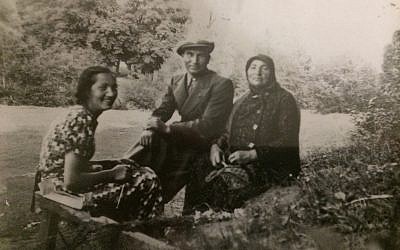
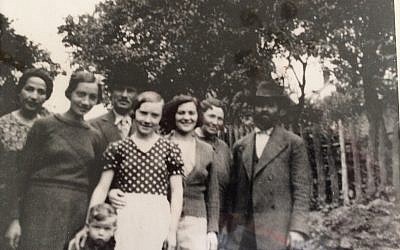
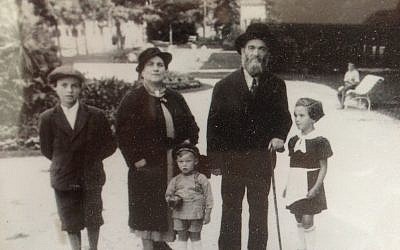
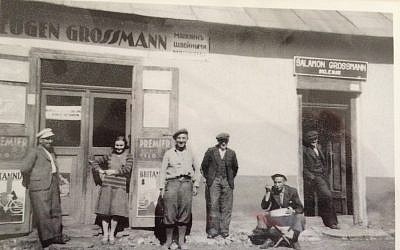
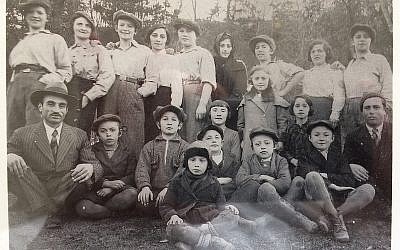
Yom HaShoah.
An artificial date; no date would suffice. Every day is Yom HaShoah. It went on for years.
No matter how many times, how many stories, in person and in media, there is nothing but head shaking, grief, sorrow, and radical awareness that there is nothing so awful it can’t happen.
This was a political system, and a religious system. Yes. The eminent Shoah historian, Saul Friedlaender, aptly discusses the Nazis’ “redemptive antisemitism,” distinct from other versions. It was a mystical, religious system; a form of fundamentalism.
My goal here, and today of all days, is not to study them but to learn from the dangers inherent in certain kinds of thinking and types of organization — parties, governments — that come from that.
This was the loss of a people. A culture. Of Jewish languages — the Yiddish of the east European masses; the Ladino spoken by Greek Jews murdered off with them. A way of life that would have evolved — who knows how. We will never know. We will never know what we lost.
And it is personal loss. Again, and again, and again. Unfathomable loss.
Interviews with astounding survivors; anyone alive now from that was no older than 10 then. Growing up with survivors, I questioned whether Jews without accents were really Jews. I wondered at what age the numbers get on your arm.
I saw unending grief, mourning, even as life was lived robustly. People marooned in a reality they could not fathom but which they were living even as life went on. Life must go on, my mother, z”l, used to say.
I never knew a grandparent. Aunts, uncles. I met my only two first cousins when I was a teenager and came to Israel for the first time. Their father, Simcha, z”l, was my mother’s, z”l, eldest brother. He was killed in Jerusalem in 1948 when he ran out to help another civilian, shot by the Jordanians near what became the Mandelbaum Gate. She was left bereft of all immediate family. There is nothing so bad it can’t happen. She did not say that. I figured that out on my own. “I am demeged” (damaged), she would say to me sometimes, her huge brown eyes locked on mine, searching: did I understand?
There is no nehama (comfort) for this. Only memory, and continuing a life that does good, loving people, some justice.
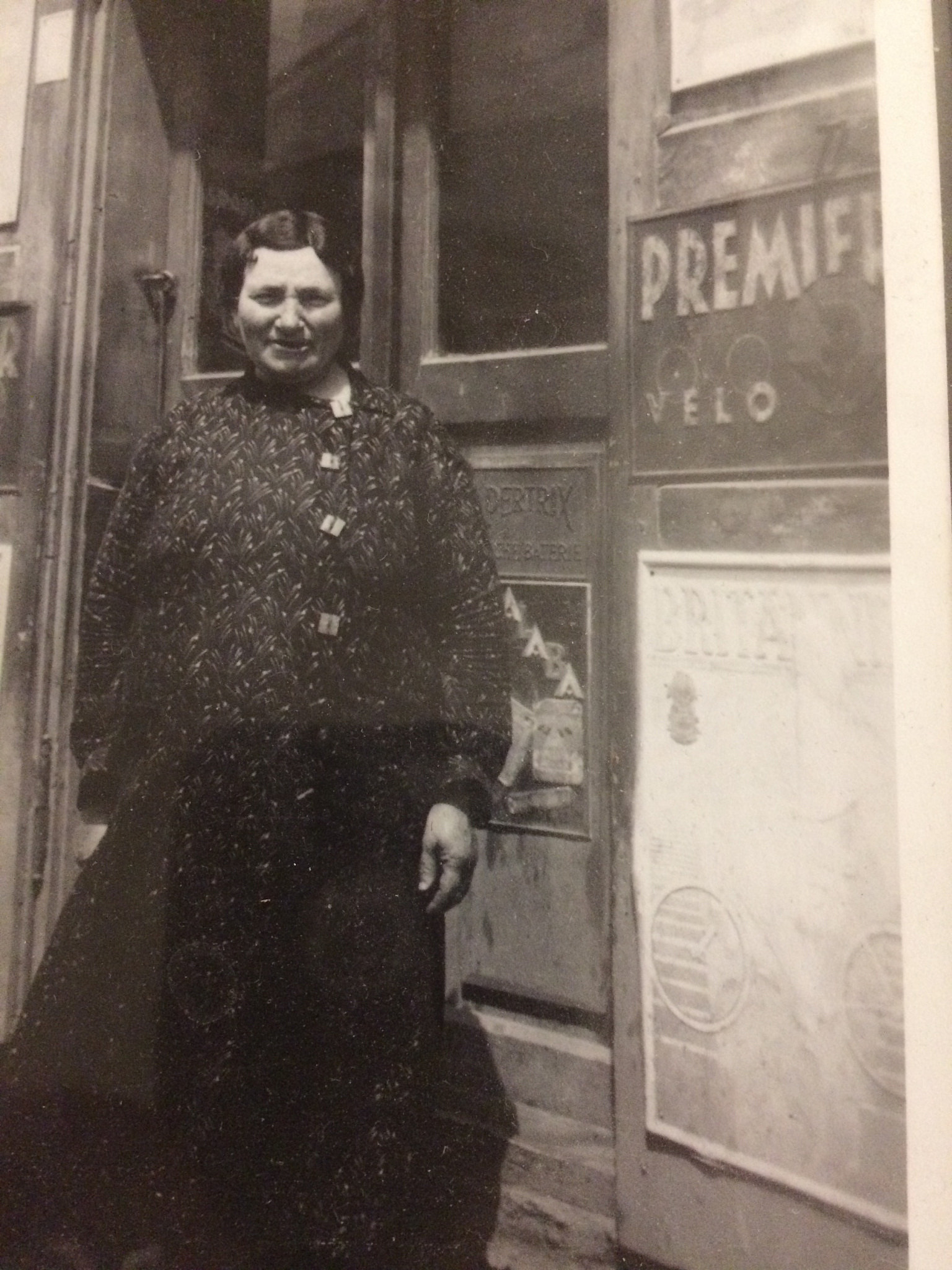
Names — some of them, a few; my mother’s parents and siblings. Not her other relatives, or friends, or teachers. And their children. Not my father’s two brothers. Or his other relatives, friends, teachers. And their families, children.
Leah Yuda Grossman
Salomon Grossman (I am named for him)
Simcha Grossman
Berl Grossman
Yidl Grossman, his wife, and their infant
Nissn Yizhok Grossman
Brandl Grossman, 18 years old when taken to hell
How life would have been different had they not been cut off from life, had they been able to live out their lives.
Shiviti otam le negdi tamid שוויתי אותם לנגדי תמיד They are before me always.
There are no photos of my grandfather, Shulem, z”l. He was too religious to take a photo.
Can you grieve for people you never met? Can you miss them? Absolutely.
There is no peace in this. No saying, may they rest in peace, however I would wish it. All there is, is living a life worthy of them. Personally, and in every other way.
Related Topics
Related Posts