Yom Kippur: Remembering the drama we forgot
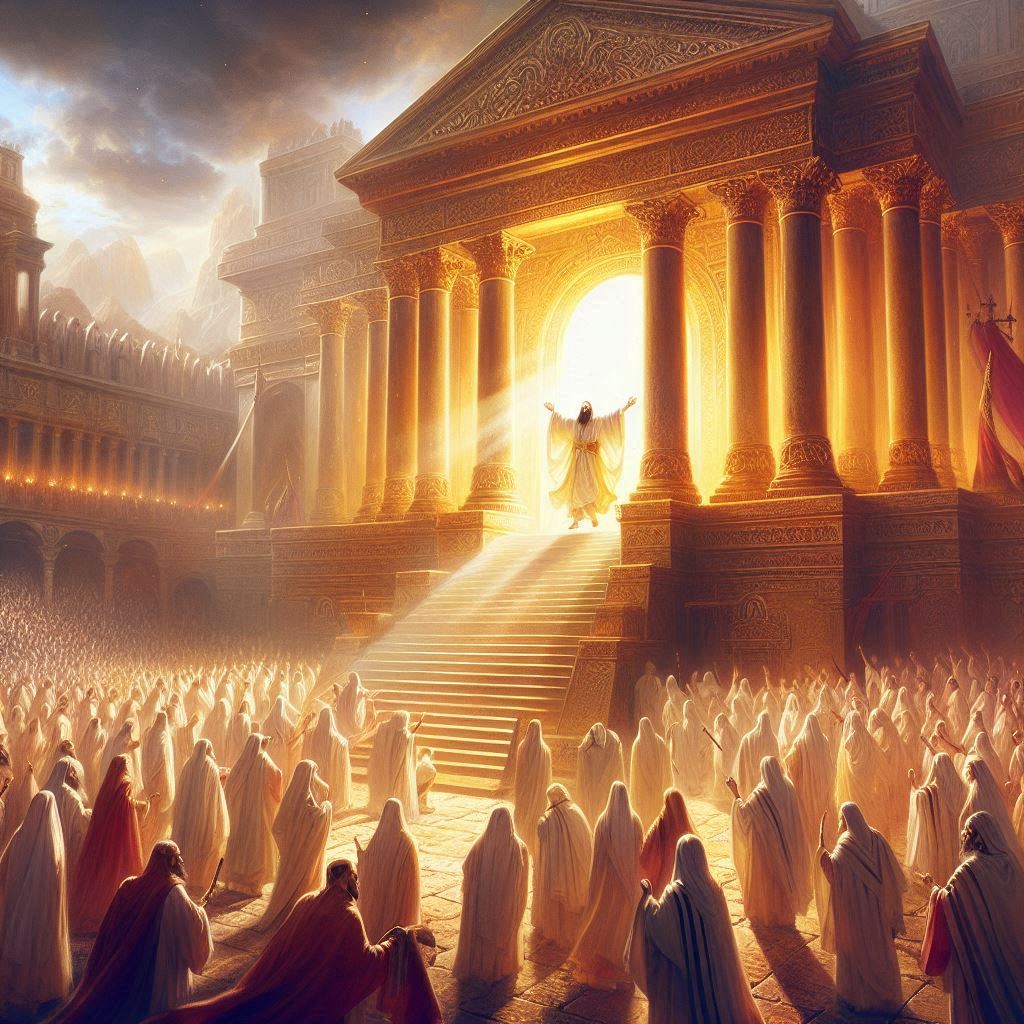
There’s something haunting about Yom Kippur. It’s not just the fasting or the white robes — it’s the sense that we’re stepping into an ancient ritual whose original intensity has faded with time. We’ve lost touch with its raw power, yet we’re dimly aware that what remains is but a shadow of what once was: a profound, collective drama now distilled into a few hurried pages of text.
Life then was profoundly different. Not necessarily better, just different. No books, no newspapers, no internet. News traveled by word of mouth. The law was passed down orally, from teacher to student, parent to child. Pilgrimages to Jerusalem weren’t just religious duties, they were lifelines. A few times a year, people would gather at the Temple to offer sacrifices, reconnect with distant relatives, hear the latest news, and feel part of something bigger than themselves.
Back in these Temple times, Yom Kippur wasn’t just prayer, it was a national drama. As described in Leviticus 16, the Kohen Gadol, the High Priest, would enter the Holy of Holies to atone for the sins of the people. It was so crucial, the Mishnah (Yoma 1:5) tells us, they prepared a backup wife for him in case his own died, lest the service be invalidated. Later sources even mention a rope tied to his ankle in case he didn’t survive the encounter with the Divine Presence.
The stakes were cosmic. Would the crimson thread turn white, as hinted in Isaiah 1:18, “Though your sins be like scarlet, they shall become white as snow”? Would the scapegoat reach the wilderness unharmed, carrying the sins of the people with it, as commanded in Leviticus 16:10?
The crowd didn’t just watch, they trembled. The Mishnah (Yoma 6:4) describes how people would escort the scapegoat part way on its journey to the edge of the wilderness, pausing at ten stations along the way. When the goat was finally pushed off the cliff, a red thread in the Temple would miraculously turn white, signaling that the nation had been forgiven.
On Yom Kippur, that connection reached its peak. There were no Machzorim. The Avodah, the Temple service, was the prayer. People didn’t read, they watched, listened, and felt every moment unfold. The Kohen Gadol would confess sins three times: for himself, for the priests, and for all of Israel. Each time he uttered the ineffable Name of God, the people would fall to the ground in awe, crying out, “Baruch Shem Kevod Malchuto Le’olam Va’ed,” a moment described vividly in Mishnah Yoma 6:2.
Today, we read about it in the Machzor, perhaps sing Mar’eh Kohen, the medieval piyyut that paints the High Priest as a vision of light and glory describing the Kohen Gadol emerging from the Holy of Holies. The poem echoes this imagery:
אֱמֶת מַה נֶּהְדָּר הָיָה כֹּהֵן גָּדוֹל בְּצֵאתוֹ מִבֵּית קָדְשֵׁי הַקֳּדָשִׁים בְּשָׁלוֹם בְּלִי פֶגַע
How truly glorious was the High Priest as he left the Holy of Holies, peacefully, unharmed.
כִּדְמוּת הַקֶּשֶׁת בְּתוֹךְ הֶעָנָן. מַרְאֵה כֹהֵן
As the rainbow in the clouds, was the appearance of the High Priest.
כְרוֹאֶה זְרִיחַת שֶׁמֶשׁ עַל הָאָרֶץ. מַרְאֵה כֹהֵן
As the sight of the rising sun on the earth, was the appearance of the High Priest.
The people didn’t just clap, they wept and sang. Their joy was collective, their relief palpable.
We may prefer our clean, word-based worship. But deep down, we still long for that raw connection, the kind that grips you in the chest and makes you feel part of something ancient and alive. The Talmud (Menachot 110a) teaches that “whoever studies the laws of the offerings is as if he brought them.” So when we recite the Avodah, we’re not just remembering, we’re participating. In that respect, it is akin to the Seder night.
This Yom Kippur, as we chant Mar’eh Kohen, let’s close our eyes and imagine ourselves in that Jerusalem crowd, watching the Kohen Gadol emerge, radiant and whole. Let’s feel the weight of atonement lift, not just from our shoulders, but from the soul of a people. We certainly need it!
May we emerge, like the High Priest, unharmed, forgiven, and radiant.
Gmar chatimah tovah.