‘You have to destroy the bookshelves’
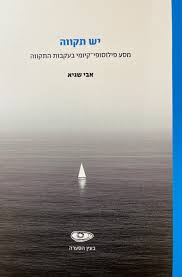
This summer, I have been reading and re-reading Avi Sagi’s small and very personal book on hope: יש תיקוה, Yesh Tikvah – There’s Hope.
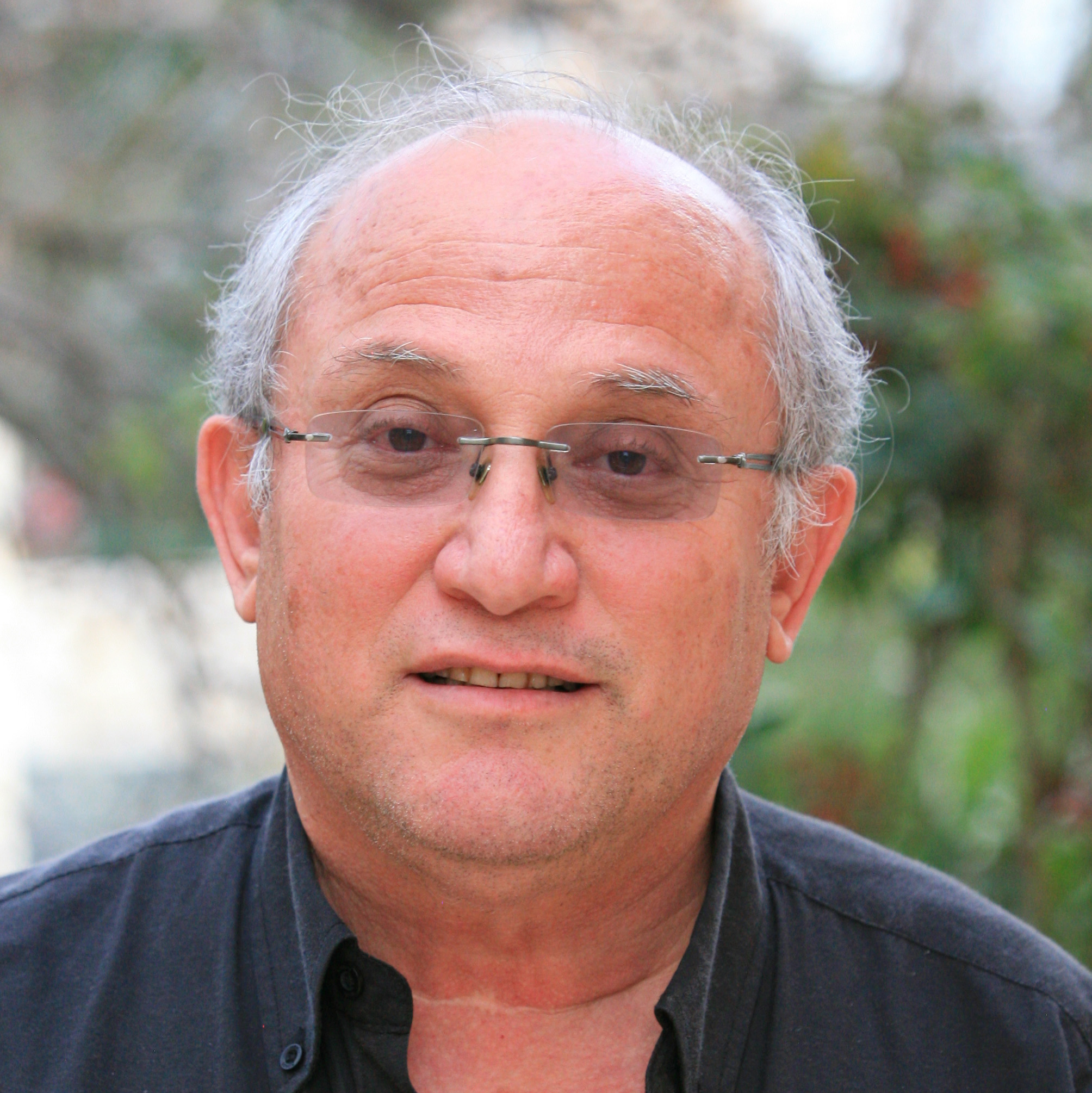
This morning, I found that the author, my teacher from many years ago, died suddenly. I am shocked and saddened. Filled with regret that I did not stay in touch with him. I know how much my time with him shaped who I am – religiously, intellectually, and as a person in this world.
He was my teacher in college. I was a philosophy major at Bar-Ilan University, where I studied after two intense and wonderful years in yeshiva.
I learned a tremendous amount from Professor Sagi. He was a great teacher and an intellectual hero of mine from the first class I took with him. He was sui generis. He would wear old concert t-shirts, jeans, and sandals. His hair was wild – thinning, but nearing his shoulders. His small kipah belied the depth of Torah he knew and lived and breathed. He was a religious man, but fearless and hungry for the wisdom and insight locked up in the books of the library.
My last year at Bar-Ilan, my dear friend Gabor Balazs (Gabby, who was brilliant and kept up with the readings and arguments way better than I ever did, was smart enough to continue studying with the professor throughout graduate school and beyond) and I had the chance to study with Sagi for a year of “guided readings.” At some point we asked how he had known to make a given connection between this thinker and that question? He looked at us and said: You have to destroy the bookshelves (צריכים להרוס את מדפי הספרים).
I loved the physicality of that image. It was almost beastly; knowledge and wisdom were powers that must be wrested from the books – by force of will, fueled by passion and hunger.
One day in a year-long class on Nietzsche, we read a passage with a clear echo of the Gospels. Nietzsche described the moral necessity to betray and cast off the “old gods”, whereas Jesus warns the apostles that they will betray him – as indeed they did. Nietzsche delights in the thought of his readers casting him off, of one day rejecting his ideas and forging their own ways. No one in the class – and it was large diverse class made up of a mix of post seminary dati leumi (religious Zionist) kids, super smart economics and psychology majors (studying in Bar-Ilan’s most competitive and well-regarded programs) taking philosophy as a minor, and a circle of wealthy Tel Aviv ladies who would take classes for fun. None of them knew the reference.
He scowled at us. How do you not know the reference? It is a key part of the Gospels!
I went and found a copy of the synoptic gospels in the library and read it before the next week’s class. It was an essential part of my becoming a thinker; so much of what I read and saw and heard in Western culture finally began to make sense. And it was all thanks to his shock at our ignorance. (Professor Sagi also inspired me to go to the music lab to listen to Wagner’s operas when we read Nietzche’s early essays on tragedy). His ability to make all of those connections inspired us to do the work, to read widely and carefully, and to explore.
During the year-long guided reading that was related to his book, Religion and Ethics – דת ומוסר, I became initiated into his approach. He did not have grand theories even if he was good at arguing and crafting an argument. Instead, we spent time with the sources and tried to let them speak. How did they identify and resolve the tensions between Halacha (Jewish law) and ethical intuitions, and conflicting values. One of the lessons I learned that year was that these difficult challenges between values are rarely resolved definitively and with clarity. The sages do not give clear and easy rules. Many decisions are made in an ad hoc and organic fashion and that is the power of the system. Being explicit may force the rabbis to be more restrained, better to invoke the vague and ever shifting notions of “ועשית הטוב והישר” – do that which is good and straight – or דרכי שלום – the ways of peace.
But I learned something else:
Reality is messy and you can deal with it without having a theory of everything.
This ran parallel to a lot of what I was reading and thinking about during the year of reading Nietzsche.
Nietzsche argues, famously, that God is dead, that there is no transcendent explanation for your existence. Yet you can still rise and live a full, heroic, beautiful life. You create the meaning in your life by your own actions and mindset.
The image I often had was of dancing on the ground that is no longer there:
How do you keep on dancing without sinking into the abyss? You do it by doing it, by moving one foot after the next in your own rhythm.
The Nietzche that I read with Avi Sagi was a great help in getting me through my own youthful crises. As the God of one’s youth turns into something new, deeper, more transcendent, and more immanent, what Levinas would call, “ a religion for adults.”
This is how you do it. You dance like the ground is firm even when it is barely there.
You live fully in a world of uncertainty and brokenness.
This is not denial; it is the product of radical awareness that leads to action.
And I found myself returning to those years and those classes with Prof. Sagi when I read his first chapter of this book on hope, a chapter dedicated – obviously – to despair!
The approach that he ended with was one that is the most secular, “God-optional” view – that of Zionist thinkers like Yosef Haim Brenner and AD Gordon.
Despair is real but it also opens up the possibility of activating our agency and it pushes us to do, to build and to create a world beyond despair.
I will continue to read this little profound book. And now that he is gone, taken too early and without warning, I hope that more people will read Avi Sagi’s books and find inspiration to make their own path through their personal and collective challenges.