Communication, Conflict Resolution & Peacebuilding
Your Voice is the Key, Our Wholeness is the Way
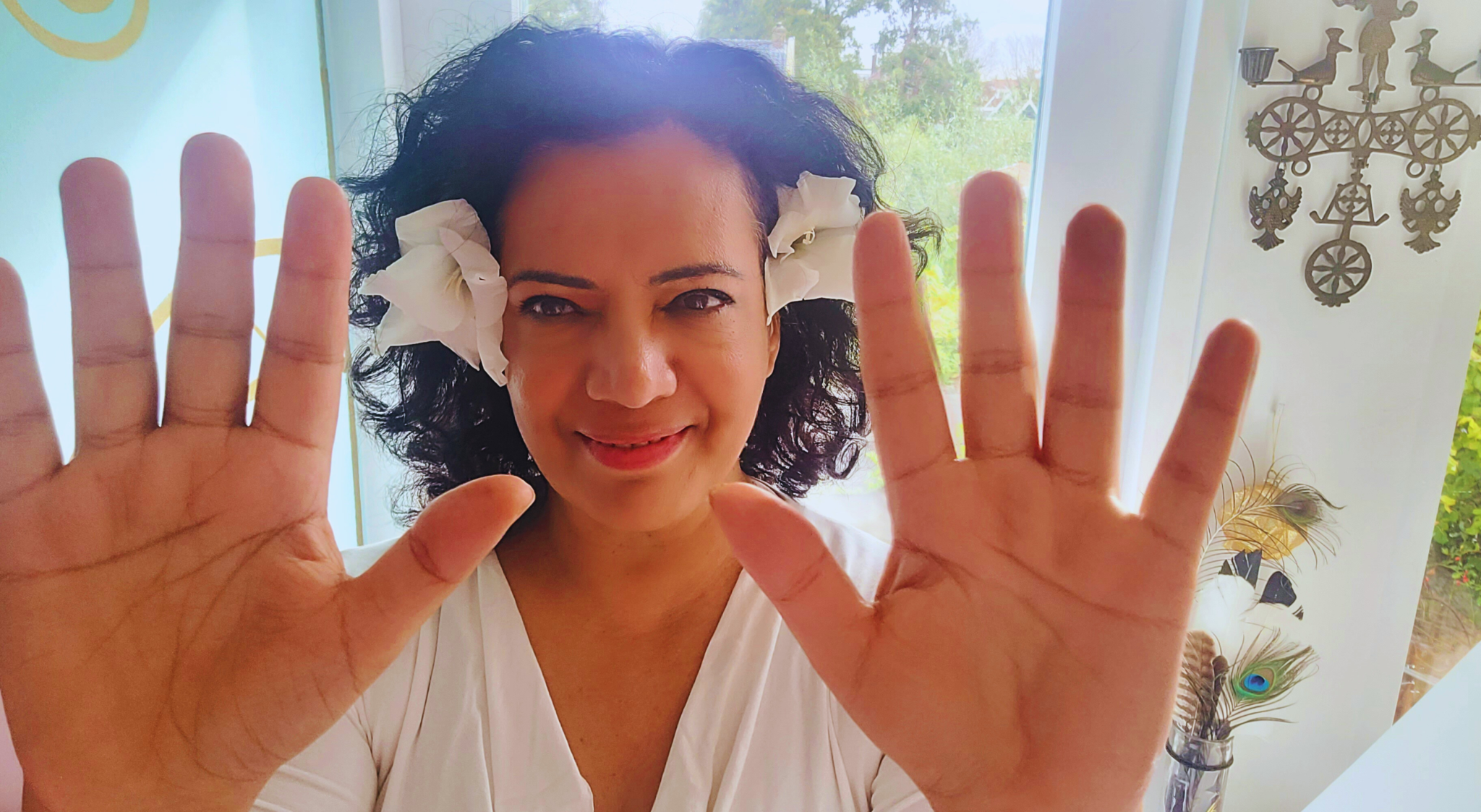
Artist, Sound Healer, and Peacebuilder Galitta Tassa
A few days ago, I attended a storytelling event for community healing in Amsterdam. Since my primary interest was listening to the story of a Holocaust survivor, I thought the aftermath would be a constructive dialogue. We listened to the story of loss and survival of a Jewish family, witnessed the healing power of sitting together and holding a shared space for one another. The storytelling followed delicious meals from Israeli and Dutch cuisine.
As usual, the Israeli host asked if everyone had enough food before moving on to the next activity. It seemed that the host was convinced everyone had eaten enough; she then facilitated a dialogue, followed by sound healing rituals blended with Jewish mysticism. While my overly analytical academic mind was cautiously observing all the happenings, my heart was curiously listening as Galitta Tassa performed, for everyday peacebuilding.
Israeli society is diverse, and Yemenite Jews preserve profound wisdom from their ancestral homeland and their long historical journey. What makes Yemenite Jews unique?
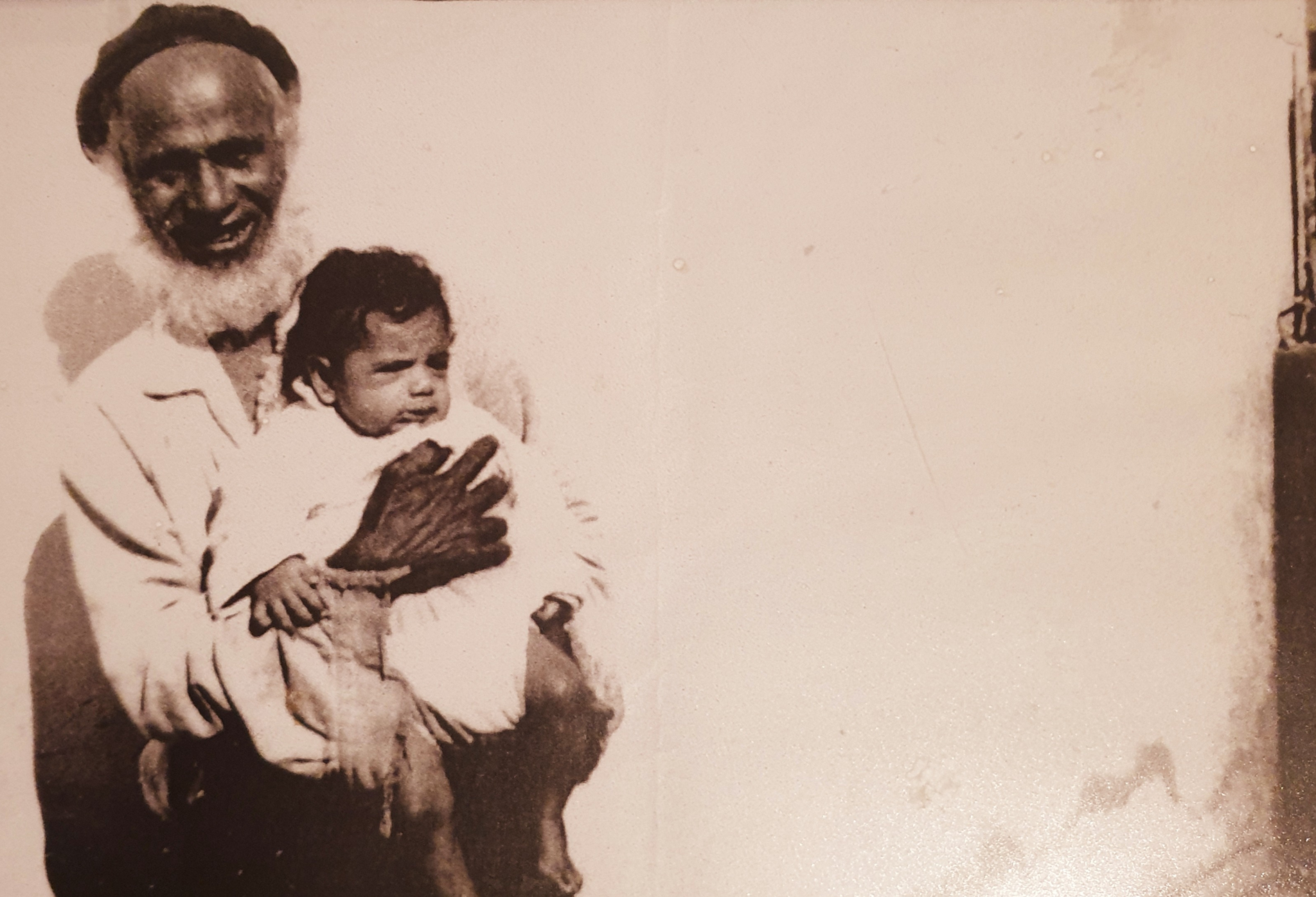
The other day, someone asked me where I came from. I answered, as I always do, with both pride and awareness of the complexity: “Israel, but from the Jews of Yemen.” That’s not always an easy answer today, especially with the ongoing wars both in Yemen and Israel. I was born in Jerusalem. My family comes from the ancient diaspora of the Hebrews of Yemen. I am deeply rooted and proud of my heritage. The Jewish people of Yemen have a fascinating and yet little-known history.
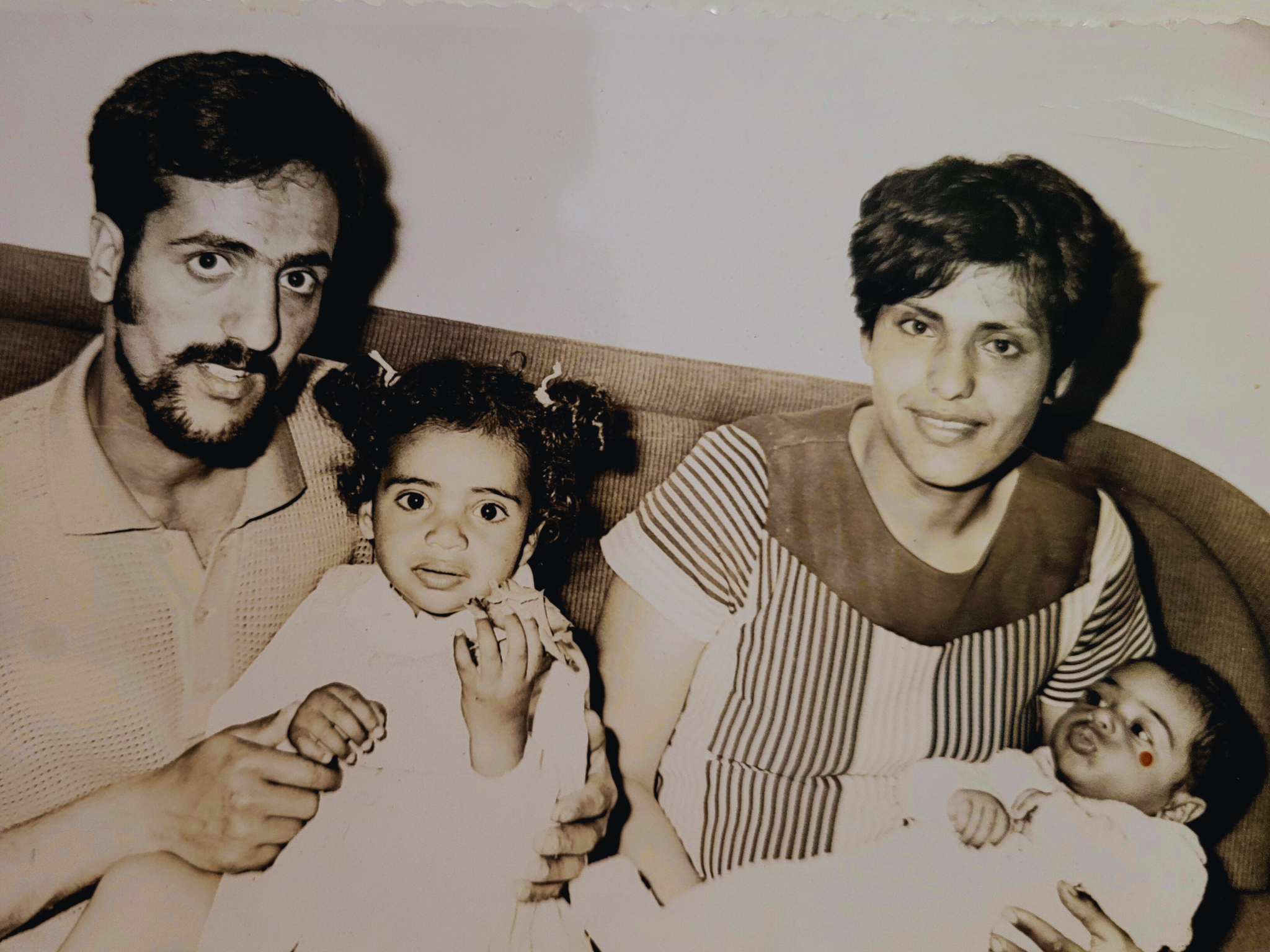
It is said that the first wave of the Hebrew tribe of Yemen arrived there even before the destruction of the First Temple. That was 2500 years ago, isn’t it fascinating? They created their calendar based on the moment of the destruction of the First Temple. They left before the darkness fully arrived. They followed the trading routes connected to Egypt and the Queen of Sheba. They traveled south, following the ancient paths of Moses, and built a unique community in what is now Yemen. At one point, they even had a Jewish king and a kingdom, the Himyar. It became a crossroads of learning that connected Egypt, Babylon, and the Land of Israel.
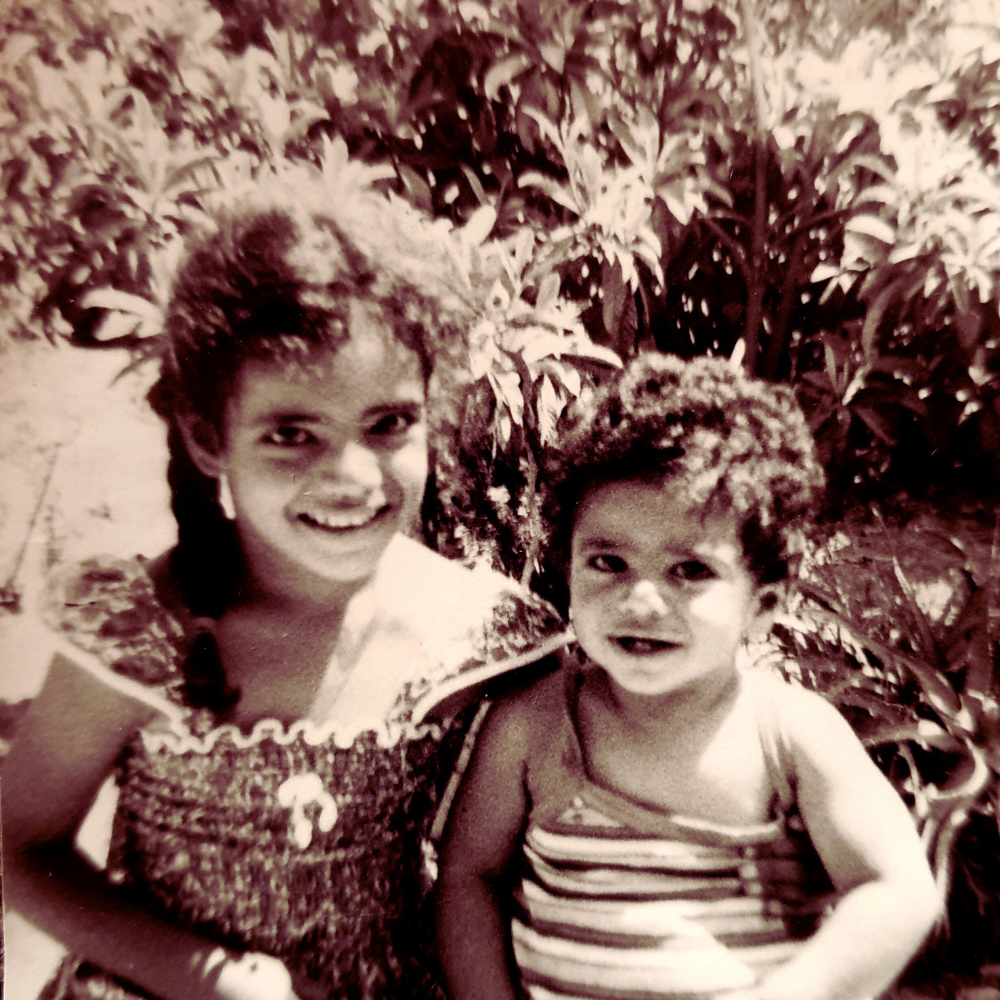 What I love the most is that Yemenite Jews preserved some of the purest ancestral traditions. The way they read the Torah is said to be closest to how it was done before the First Temple. The vocal patterns, te’amim, aren’t melodic, but vibrational codes. I also still speak in a Yemenite Hebrew with the letters Chet and Ai’n being spoken the way our ancient ancestors did.
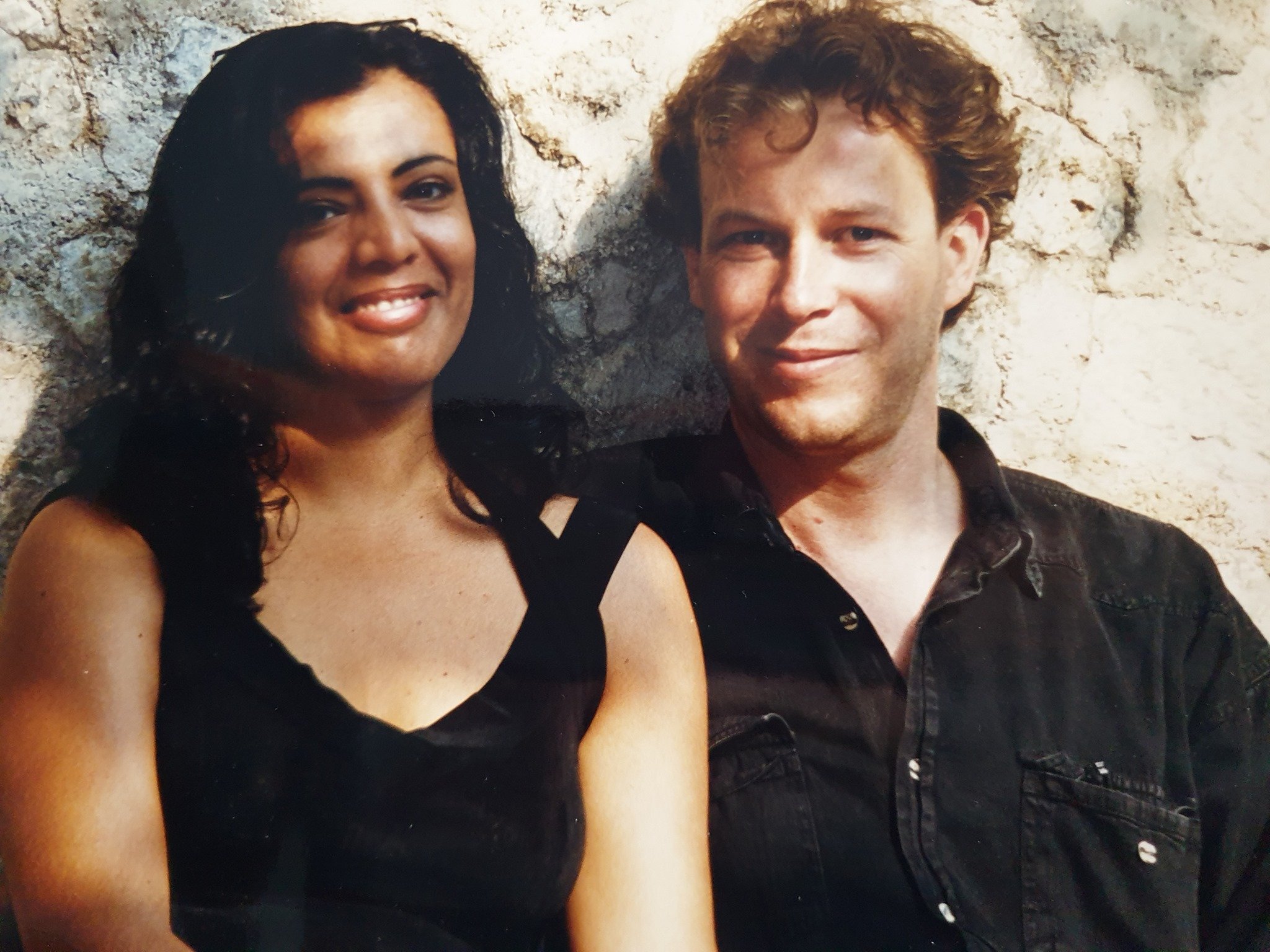 I find it fascinating that the sounds and nigunim are alive within us, carrying the stories of ancient generations. Yemenite Jews are known to be positive, hardworking, creative, and deeply spiritual. I believe we preserve a kind of shamanic medicine that Am Yisrael and the world need. I live in the Netherlands with my Dutch husband and our two children, but I remain deeply connected to my roots.
Your work is a fusion of socio-cultural heritages from Mesopotamia, the Middle East, and actually from all around the world.
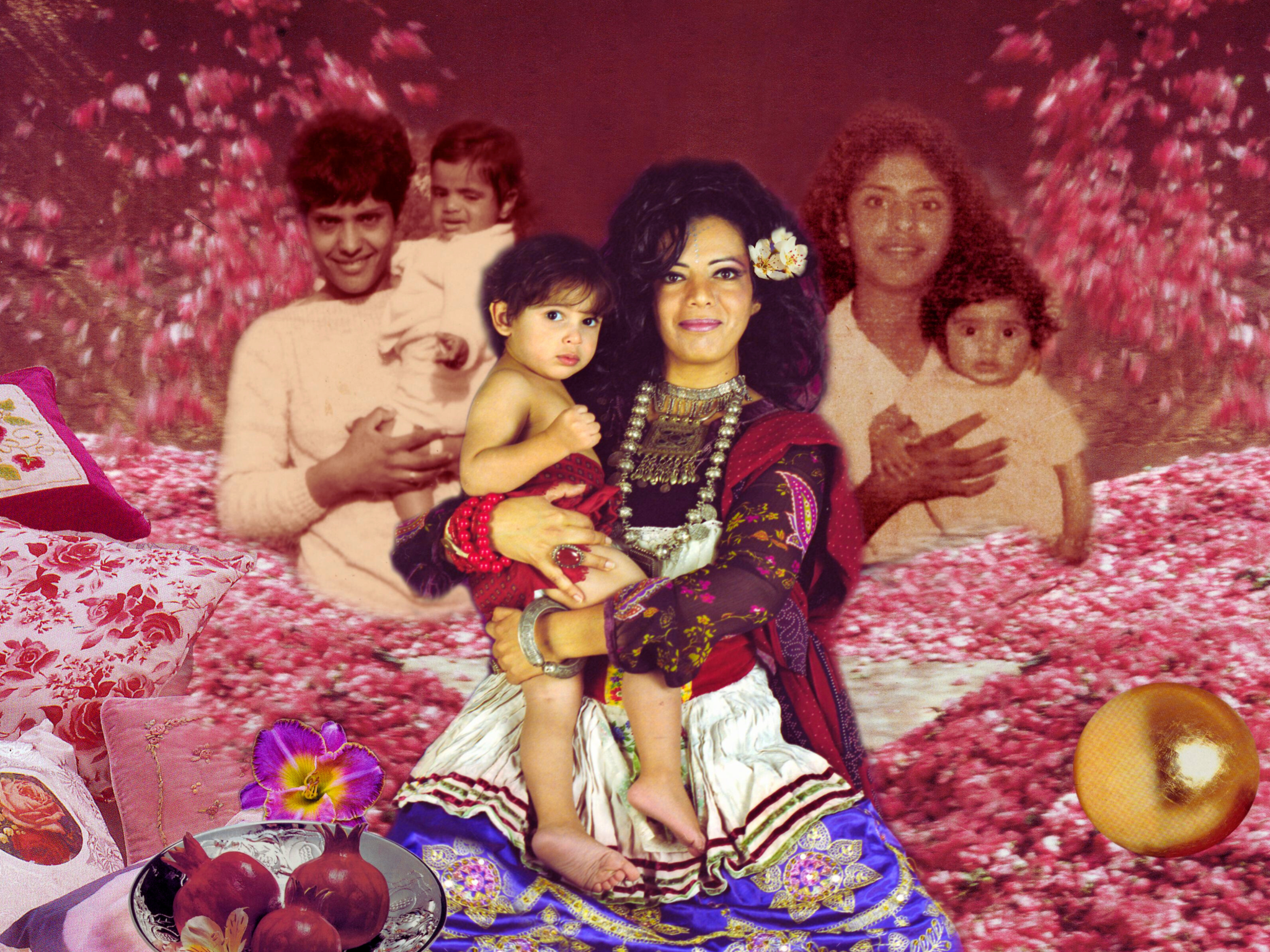
When I sing, I feel the divine presence, Shekhinah. Through my work, I want to remind us all to return to our essence, our divinity, and the infinite love. My inspiration comes from the wisdom of King Solomon, and I utilize my creativity to serve. In my healing workshops, I encourage people to reconnect with their soul, as inner peace is intertwined with world peace. I am mesmerized by the power of the human voice. When we sing, chant, hum, or pray, we vibrate. We expand. We unite. Every person has this tool in different ways.
In our dominantly patriarchal societies, many women struggle to express themselves. How did you find your own voice?
In my earlier performances, I was into jazz and the American Songbook. I still love it. When I started writing my own songs, I blended them with prayers. The feedback to the chant was overwhelming. I incorporated melodic English lyrics with intuitive chants that came from my Yemenite ancestors.
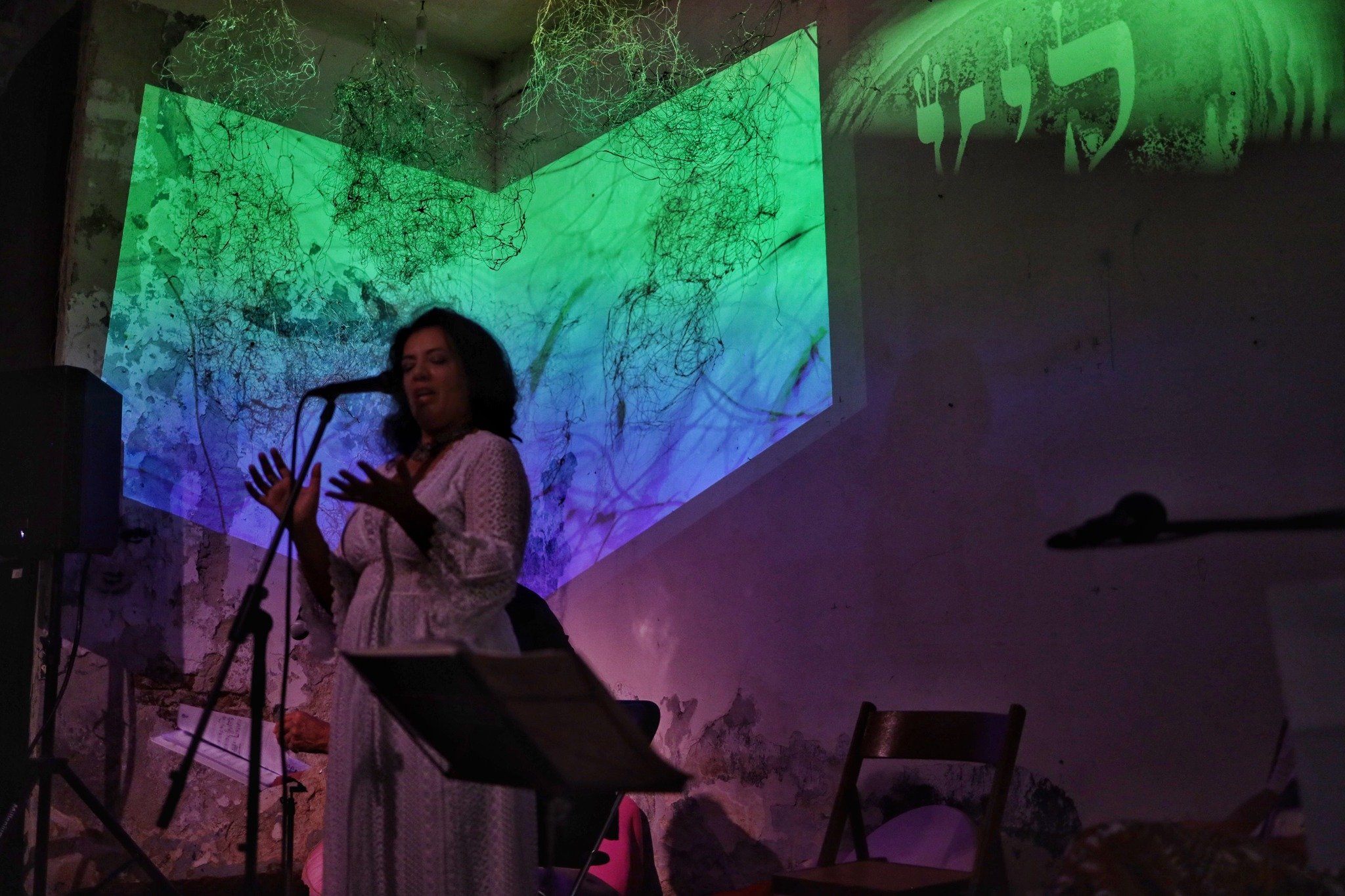
While performing with a group of women around the world, I intuitively felt that I needed to create projects that bring people together. My music ranges from entirely written, structured songs to abstract and intuitive chants. I’ve been walking the path of the union of feminine and masculine. It affects everything I do, teach, and create.
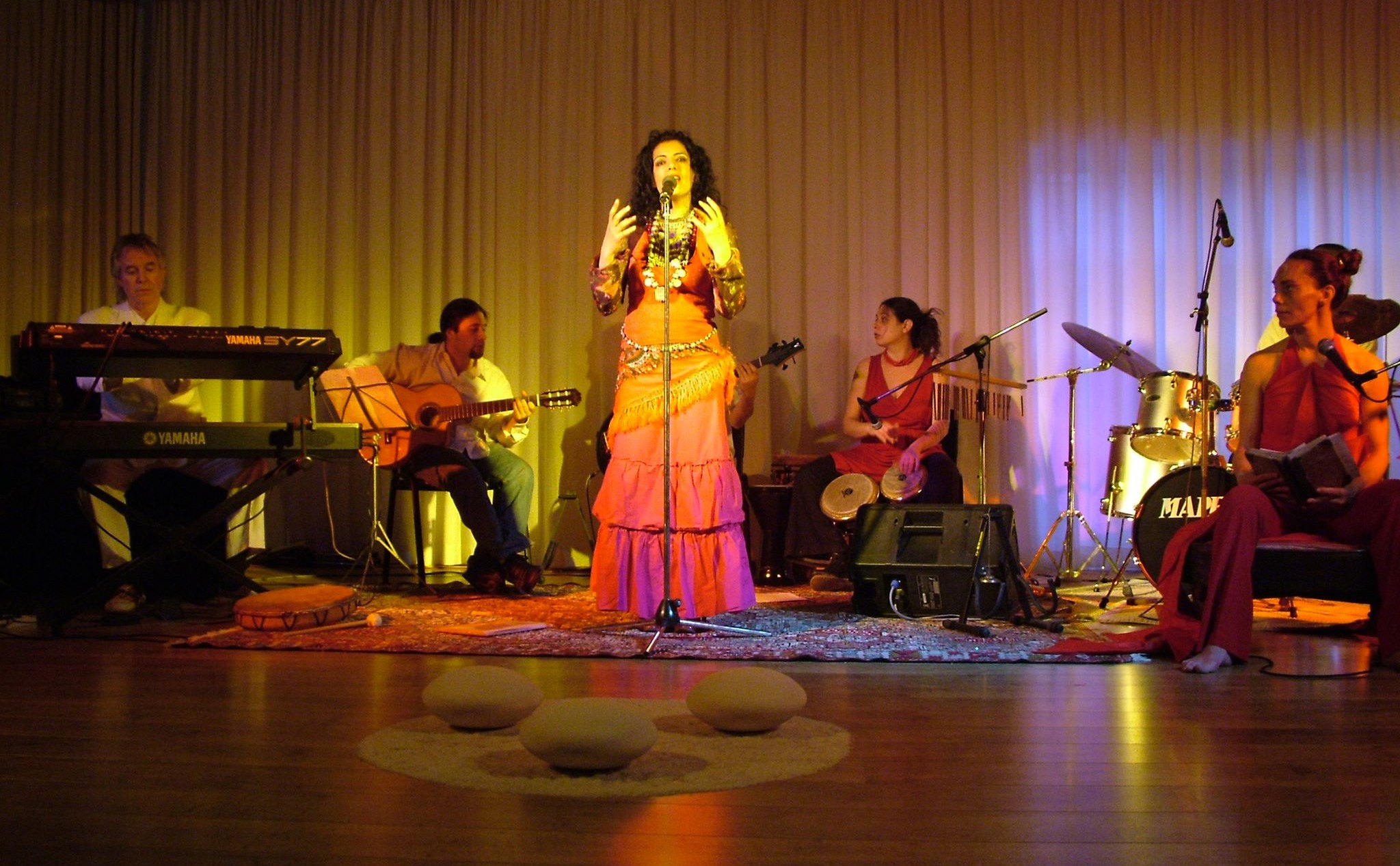
I’ve come to understand that finding our voice is not a fixed destination but a continuous unfolding. There’s always another layer to shed, inherited pain to confront, more healing to do, and limiting beliefs to release. This work isn’t only individual, it is also collective. Each day we awaken, reclaim our voice, and reconnect with our heart and mind. For women, especially, this is a profound re-emergence. In my own journey, the gateway was singing.
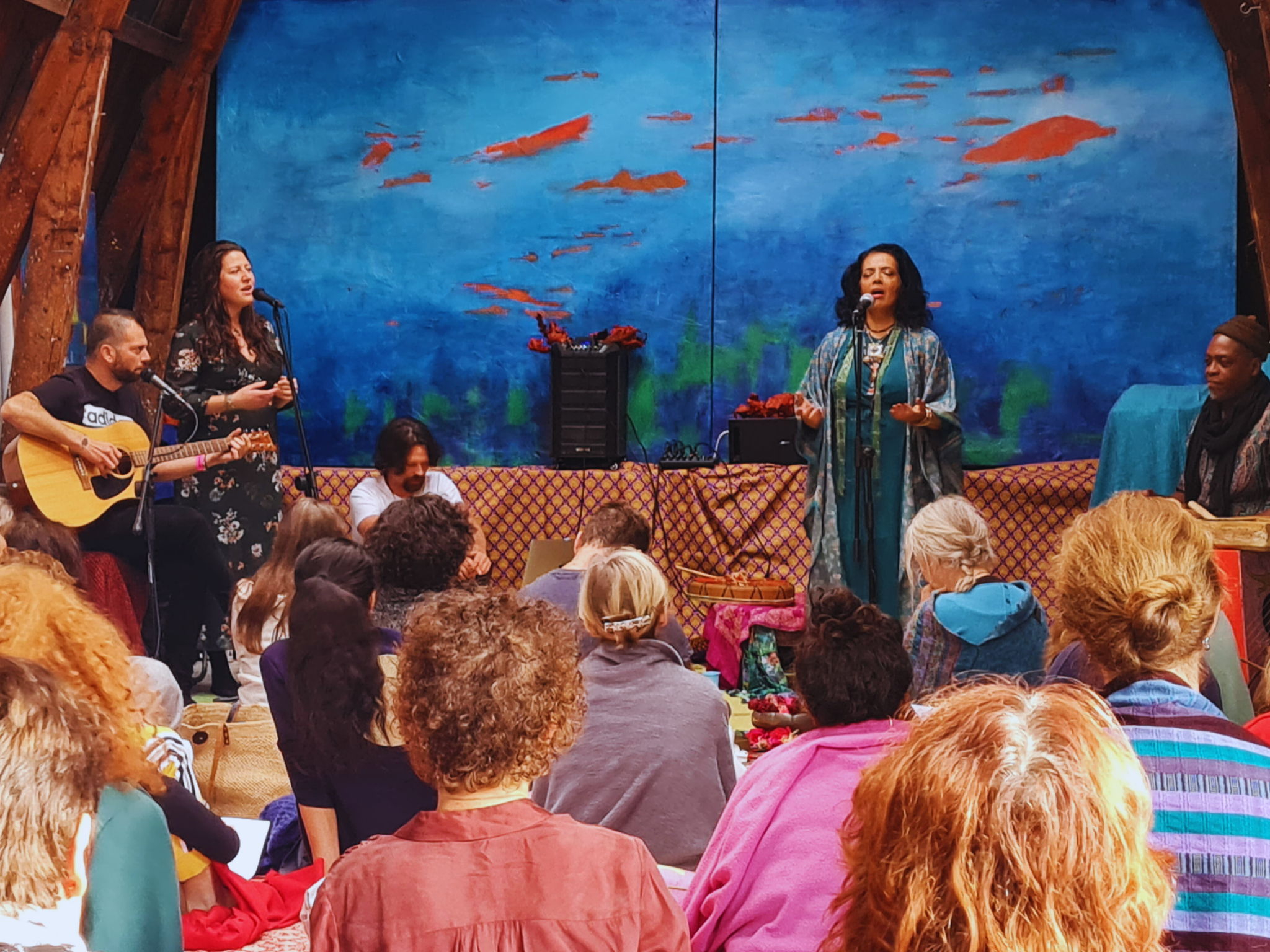
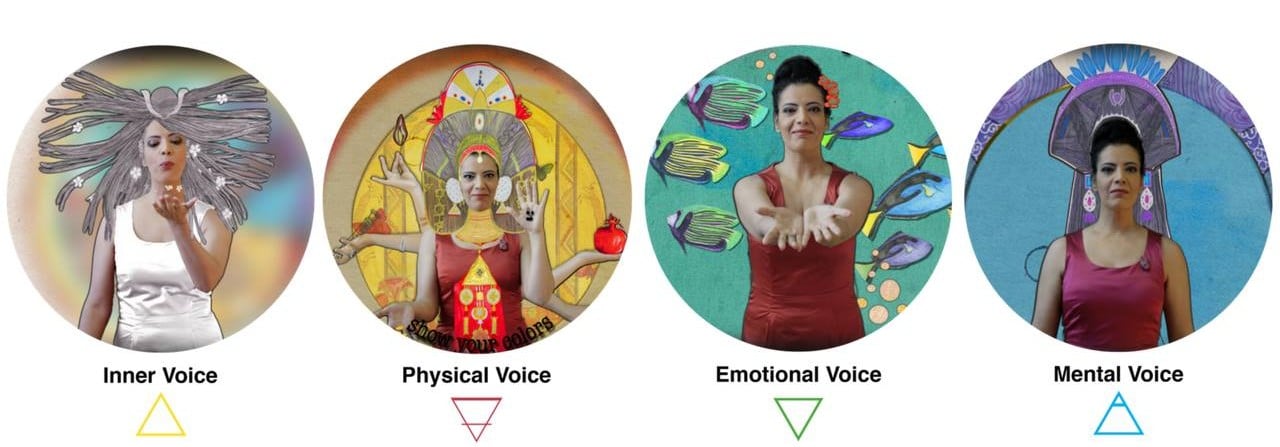
Although I had a background in performing arts, it took some time to find my voice. I began re-learning to breathe and embody sound, which eventually evolved into a spiritual journey. It led me to confront my fears and shadows and integrate all dimensions of my being. I was fortunate to be guided by many teachers and mentors. They reminded me to become conscious and move toward wholeness. That insight eventually became the foundation of my method, which I implement in my workshops: The Four Voices of Being.
 Sadly, many people carry a mother wound passed down through generations. Why is that?
All of humanity carries it because the Mother, the Divine Feminine, was taken from us, denied, and devalued. But this is the time of the shift, the rise of the feminine. Of course, you’re talking about the personal mother wound, and women feel it strongly, but men carry it too, in a different way. I’m not a psychologist, but as a woman, mother, and artist who has spent years healing herself and her family line, I see it as accumulated trauma sitting in our unconscious feminine, often expressed through our mothers.
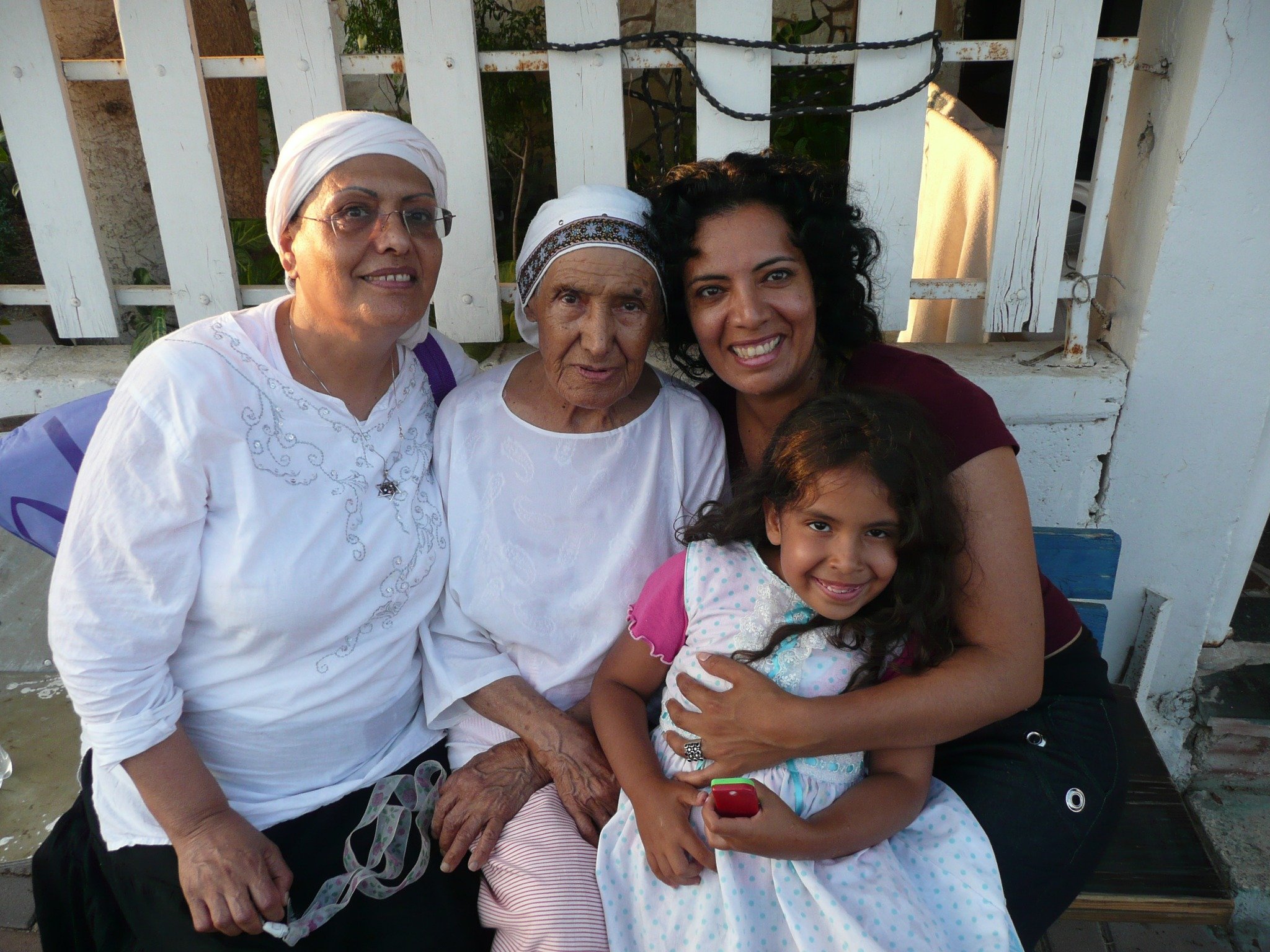
Through compassion, we recognize the pain and suffering of previous generations. I feel lucky to have grown up in Israel with access to freedom, education, and safety that my mother and grandmother didn’t have in Yemen. We, the fortunate ones, have the opportunity to heal. We may encounter resistance from our mothers, who didn’t have the chance, time, or space. Some of us observe them as aggressive, victimized, or projecting their own pain onto us. The love of the Divine Mother is not always mirrored in the mother we received.
My method for healing this is shadow emotional work, giving a voice to what we don’t want to confront. This step-by-step process can transform layers of old pain and open up space for love and new patterns. My last visit with my mother was a peaceful experience. Instead of leaving early, I stayed longer. It took three decades to heal my own mother wound.
The Middle East is often associated with ongoing turbulence; yet, we share common traits and traditions. How can we heal, altogether?
Like everyone, I follow media and geopolitics, but I believe in union and healing. Many people are trapped in fear. We need to use our voice to know ourselves. Expand ourselves. We are responsible for our own vibration. Once we find our joy, we can spread that healing energy to others. We need each other to be happy and healthy. I envision the Middle East as a region of wisdom and collaboration.
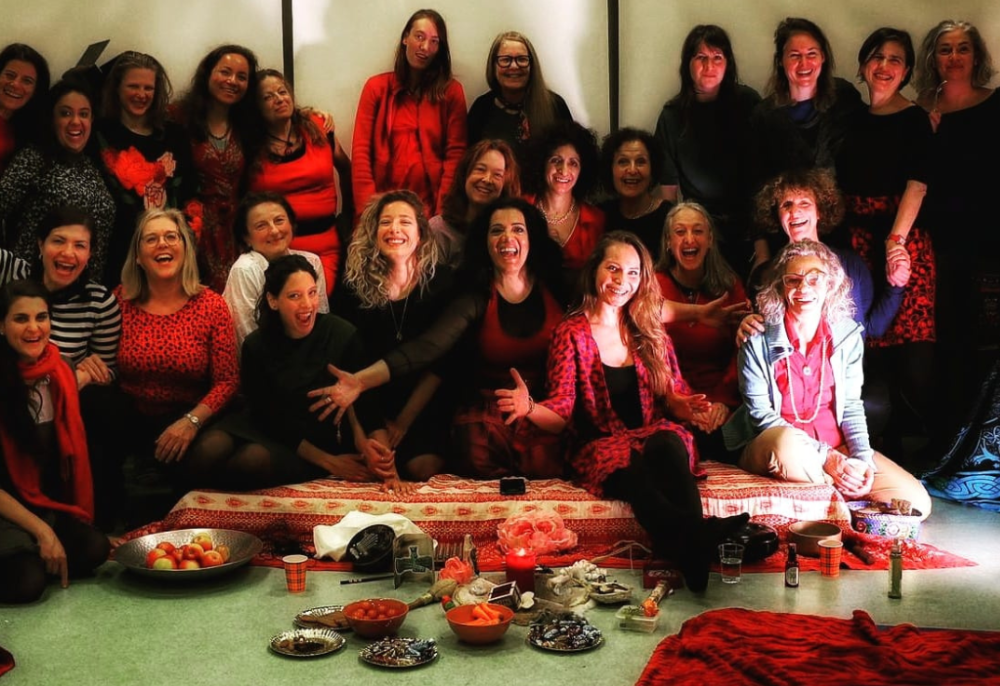
Through the arts, we intuitively create, write, dance, sing, or draw, which connects us directly to our subconscious mind. Whatever is unconscious in us will express itself. If we take a pen to write, doodle, or sketch… if we sing or dance… the parts of us that need to speak will show up. That’s how awareness begins. It’s a way to befriend our wounds and bring hidden parts into the light. That’s how healing happens, when we become conscious. This works for the individual and the collective.
I’ve tried some of your guided meditations and noticed the calming effects. How does meditating with Shamanic sounds work differently from silent meditation?
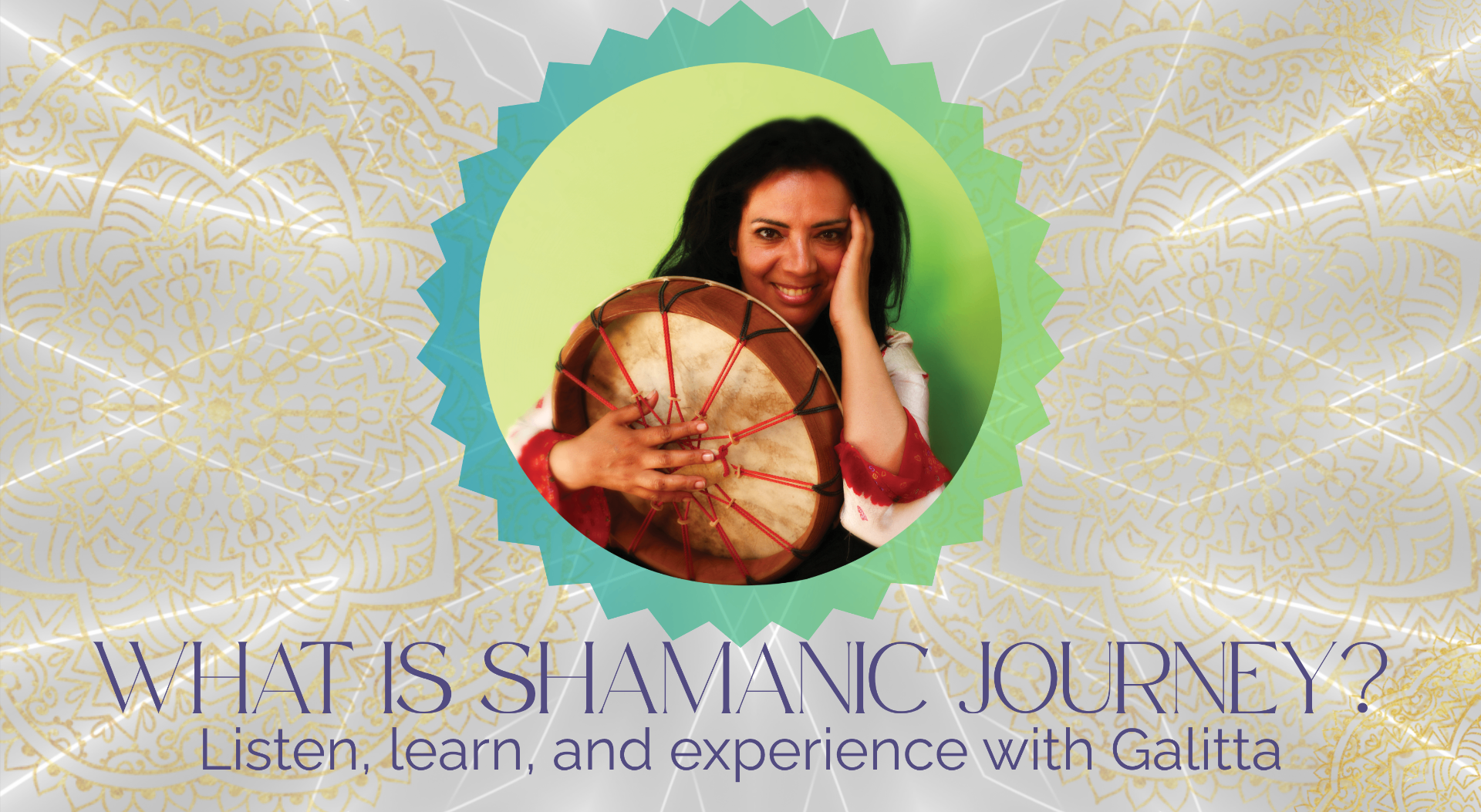 Through each meditation, I guide participants in a deep inner exploration, fostering inner peace and confidence. Each journey teaches them how to reconnect with their physical body with acceptance, care, and compassion. Through breathing, they can release judgment, deepen their presence, and awaken a healthy love for themselves. It encourages them to visualize, feel, hear, and sense their inner world. This is the first step in building a deep relationship with oneself.
Meditating through Shamanic sounds brings deep calmness, reconnection to inner wisdom, and a subtle activation of their memory. I encourage participants to allow themselves to be immersed in the frequency of unshakable peace and gentle power. Each journey corresponds with one of the Four Voices of Being as the body, heart, mind, and spirit, along with a powerful fifth track that aligns your three power centers into harmony and completion.
One of your albums, The Thirteen is a celebration of the Divine Feminine. I love the layered details and found the songs: the Maiden, the Midwife, and the Wise Woman intriguing.
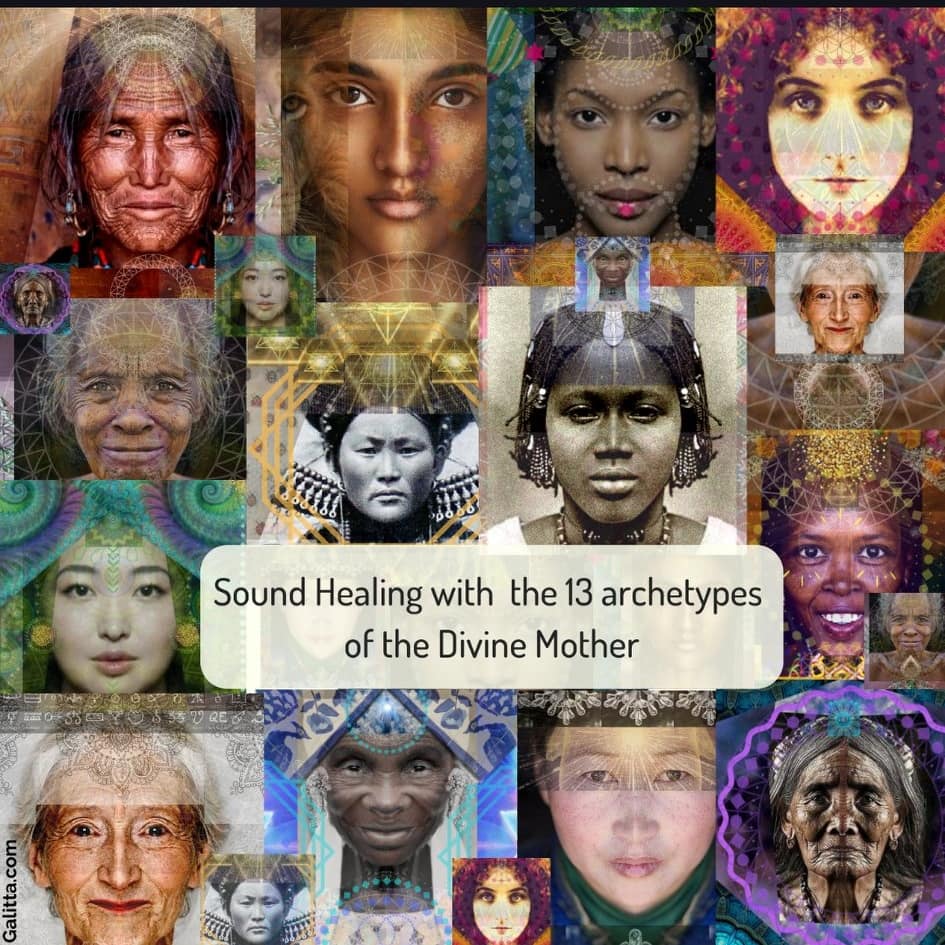
After years of experimenting with sounds, I wanted to record music that comes from the right brain, as I do in rituals. Together with 13 musicians and one technician, I produced it over a weekend. It was a successful experiment in sacred music as we recorded at the moment of conception. It was a great experience celebrating the 13 aspects of the Shekhinah, which brought immense healing and inner peace to our team. The Maiden invites listeners to connect with their inner child. The Midwife reminds them to be patient with their struggles, and the Wise Woman encourages them to trust their intuition and life journey. We hope that the album will bring comfort and inspiration to our listeners.
When I look at your life story, it resonates with the word rachamim / רַחֲמִים. It means mercy and compassion, and originates from the word rechem / רֶחֶם meaning womb. It is interconnected with the word rahim, shares the same meanings in Arabic and Turkish. Do you have a Hebrew word that you love?
My favorite word is Ahava / אהבה. Not just because it means love, the highest vibration and the force that unites life, but because in Hebrew gematria, ahava equals 13. It was once associated with the Divine Feminine and the Earth in many ancient cultures, before being demonized by unfriendly forces.
Your sound healing concept reminded me of the 13 Attributes of Mercy, as mentioned in Exodus 34:6-7. Is there any Jewish teaching that inspires you?
I like the story of Rabbi Hillel and Rabbi Shammai, two great teachers with opposite approaches to Judaism. As a child, I found it fascinating that both extremes could be “right.” Rabbi Shammai’s strictness seemed more devout, but I was always drawn to Rabbi Hillel’s kindness. Some people tried to disturb his peace, yet he always responded with grace. As I grew up, I came to understand how spiritually evolved Rabbi Hillel must have been. True power is not in fame or wealth, it’s in being spacious enough to hold both light and shadow. Rabbi Hillel was a master of both mind and heart. That, for me, is the balance I seek. In Kabbalah, that’s the middle pillar of the Tree of Life: the path of balance and mastery.
How would Galitta Tassa define peace?
Peace starts with inner stillness. It’s the expansion of clean space and sacred geometry in every cell.
How would she describe the sound of peace ?
Inhale and exhale, breathe gently.
Related Topics
Related Posts