
77.7% Is Not a Draft
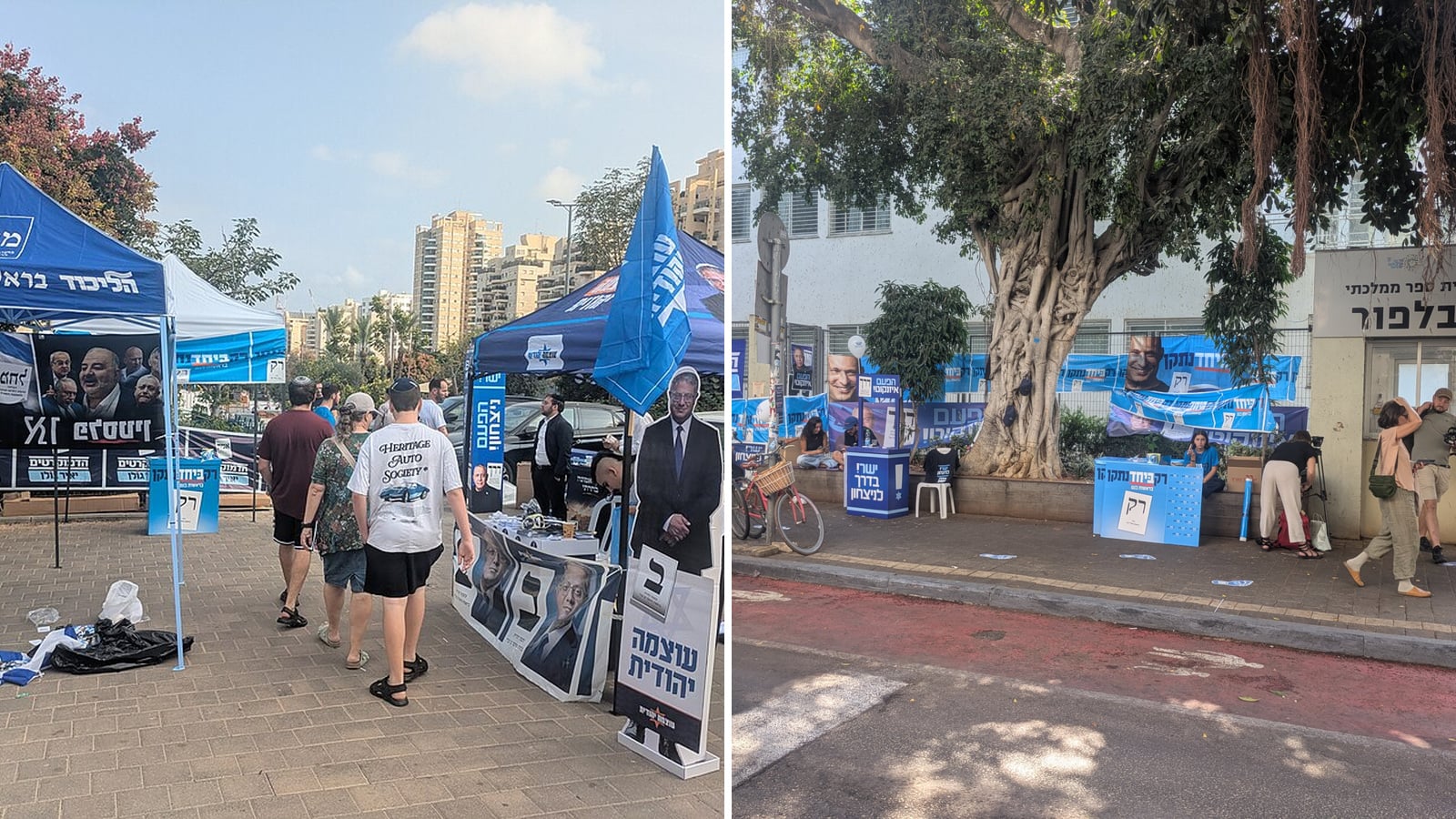
77.7%. That is the most important number from this election, at least as important as the distribution of seats. It is the highest turnout since 1999. After three years of war, bereavement and division, the Israeli public did not give up. It went out and voted. President Isaac Herzog called it “a badge of honor for Israeli society.”
And yet, two days later, people are already talking about the next round. According to reports, Likud is not worried about another election, and some are already talking about April. To understand how one gets from 77.7% to the idea of going back to the polls, look at the story Likud is telling. Because repeat elections don’t begin with a decision. They begin with a narrative.
The narrative was built in stages, and we saw all of them this week. On the eve of the election, Netanyahu warned that “the left is flying in its thousands from thousands of kilometers away to vote.” The day after, before the count was even finished, Likud announced that “the elections in the State of Israel were stolen by the Arab parties,” and Netanyahu reportedly said he had handed evidence to the Central Elections Committee and the Shin Bet. First, voters are marked as a danger. Then their votes are marked as theft. And once the result has been framed as illegitimate, the proposal to “go back to the polls” sounds like a correction, rather than what it really is: an attempt to cancel what the public said.
This story wasn’t written after the election. According to reports, even before the polls opened, Likud was already preparing complaints about fraud at polling stations in Arab towns. In other words, the theft was described before there was anything to steal. As of this writing, the police say there is no investigative or intelligence basis for the claims and no evidence so far. The number of complaints of impersonation and fraud stands at about 50, compared with 75 in the previous election. The Central Elections Committee may yet find irregularities at one polling station or another, as happens in almost every election. That is what the committee is for, and there is a mechanism for disqualifying ballot boxes. But whoever prepared the “stolen election” claim before the polls opened did not wait for evidence.
We know this pattern from previous elections, too. In 2015 it was “right-wing rule is in danger. Arab voters are moving in droves to the polling stations.” Back then, it was a warning. This year, when Arab citizens actually came, and sent 19 members to the Knesset according to the count so far, it is no longer a threat. It is theft. This is the great story of civic participation in this election: citizens who were told for years that their vote was unwelcome went out and voted anyway. And the response is an accusation of crime. What else do they have to do for their vote to count?
There is another group that repeat elections would hurt in particular. By some estimates, more than 60,000 Israelis came home from abroad to vote. They bought tickets at their own expense, took time off work, left their families behind. Most of them will not be able to do it again in six months. So repeat elections are not just “another round.” In practice, they erase their votes, the very votes Netanyahu portrayed on election eve as a “danger.” One does not need to attribute intent to anyone to see the outcome: those who will pay the price of the next round are exactly those who were marked as the problem in this one.
The public did not speak with one voice. It is not homogeneous, and it holds a wide range of views. No bloc reached 61 seats. But that is not a failure of the voters. It is their answer. When millions of people vote and no side wins on its own, the message is clear: sit together. In any other political culture, this would be the moment when leaders unite.
But there is an understandable difficulty in sitting together with someone who calls part of the public thieves. Whoever declares that the votes of Israeli citizens are “theft” has excluded himself from any government of “togetherness.” In the political culture Netanyahu has built, one that turns rivals into enemies, the sane option is a government without Likud, a government of those who recognize that every vote is equal. This does not mean Likud voters are less worthy. It means their leadership has decided that some voters don’t count.
Likud supporters will say they are the largest party, and that a government without them ignores hundreds of thousands of voters. There is something to that. But whoever wants their voters’ ballots to be counted must agree that others’ ballots are counted too. You cannot demand respect for your voters while calling other people’s voters thieves.
And a word to the other side as well: the change bloc, too, has so far ruled out a partnership with the Arab parties. But if they truly want to break the culture Netanyahu built, they cannot adopt its central rule: that some votes don’t count.
The Israeli public has done its part, at a rate we haven’t seen here in decades. 77.7% is not a draft that can be sent back until the result pleases someone. Whoever answers the public with repeat elections is not respecting democracy. He is punishing it.