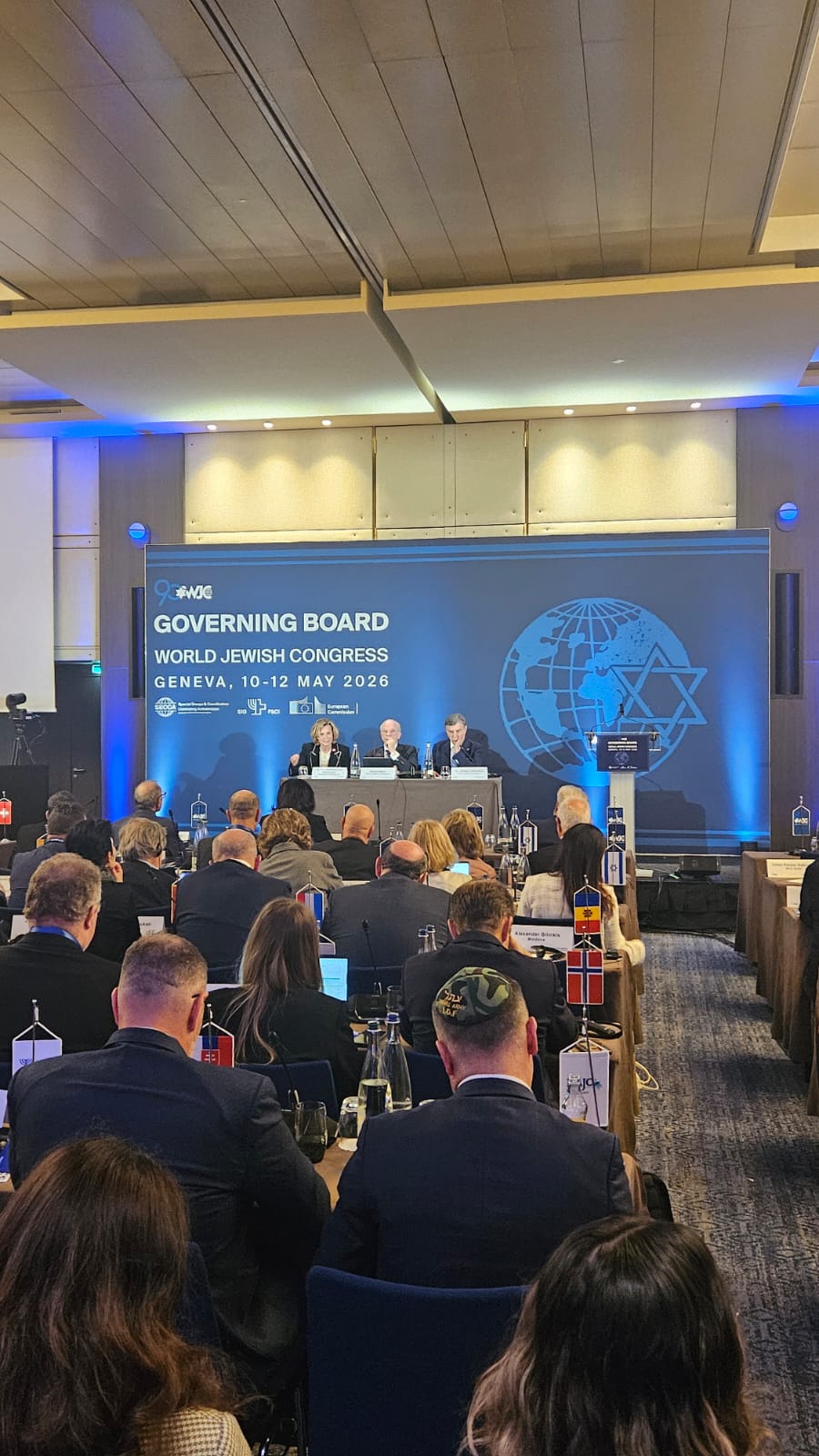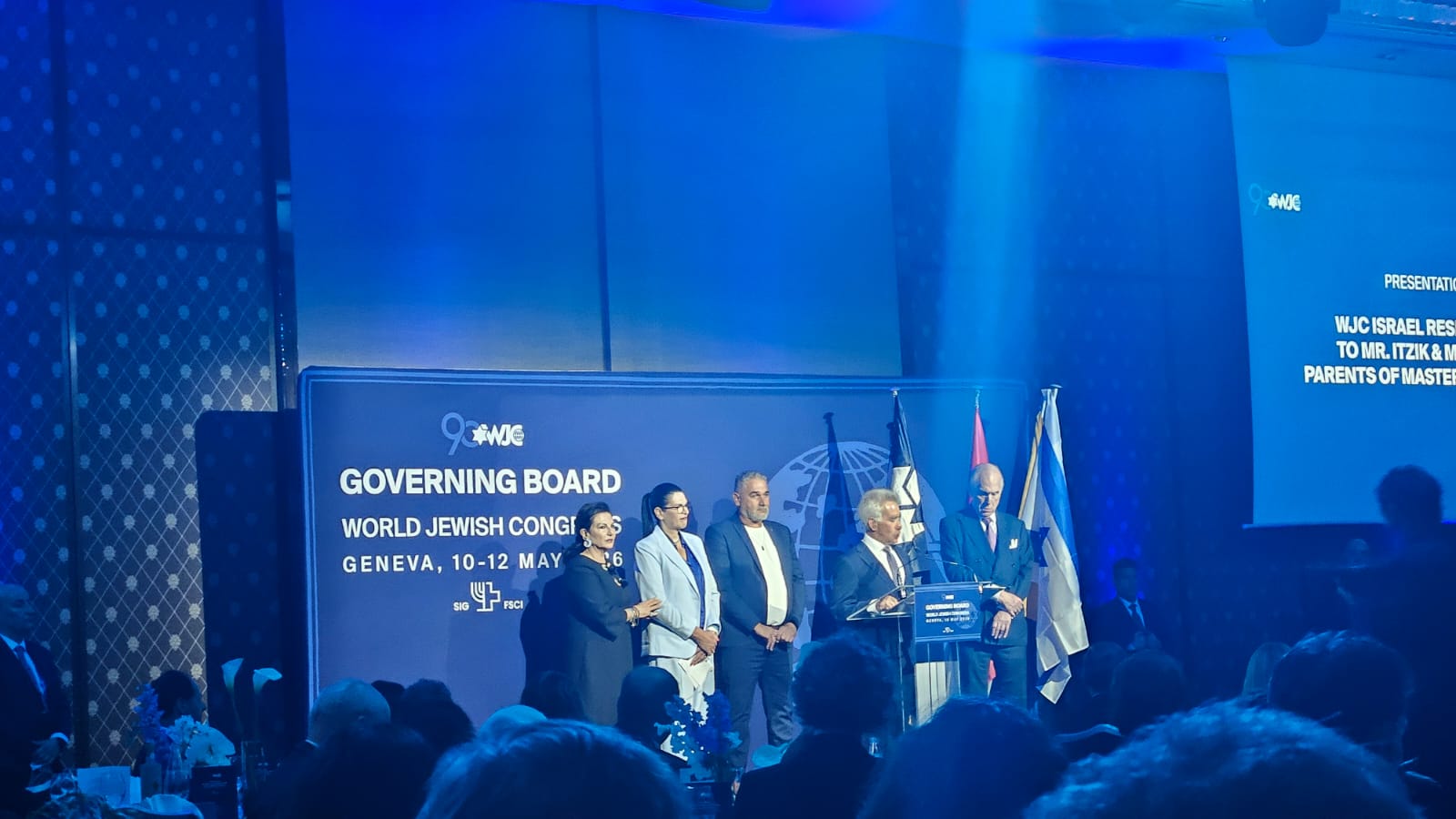
90 Years of the World Jewish Congress: the world that promised “never again”

Ninety years ago, in 1936, the World Jewish Congress was founded in Geneva. Europe was already beginning to exhale the smell of moral collapse. Nazism was advancing, Jews were being progressively excluded from public life, and much of the democratic world still believed everything could be contained through diplomacy, silence, or denial.
The World Jewish Congress emerged from the understanding that Jews needed organized international political representation in the face of an existential threat.
Ninety years later, one uncomfortable question becomes unavoidable: how much did we really learn?
The October 7, 2023 massacre — the largest pogrom against Jews since the Shoah — should have produced immediate civilizational solidarity. Men tortured, women raped, children murdered, entire families exterminated simply because they were Jewish.
But even before the victims were buried, the relativizations began.
The justifications came. The “contexts” came. The narratives quickly emerged shifting blame toward Israel while the country was still collecting its dead.
Perhaps this is the greatest transformation of contemporary antisemitism: it no longer presents itself only as explicit hatred of Jews. It now circulates as a sophisticated political discourse, legitimized in universities, ideological movements, cultural spaces, and social media.
What is most disturbing is watching young people relativize massacres and even question the existence of the Holocaust itself. Recent surveys in the United States reveal alarming levels of historical ignorance and normalization of antisemitic extremism.
Antisemitism has become modern, digital, and culturally acceptable in certain environments.
And that demands deep reflection.
Because antisemitism has never been only a Jewish problem. It functions as an early warning sign of the moral deterioration of societies.
History shows that civilizations do not begin their collapse by destroying everyone at once. They begin by choosing a symbolic target first.
And Jews have almost always been that target.
That is why the 90th anniversary of the World Jewish Congress should not be merely an institutional celebration. It must serve as a warning.
“Never again” cannot become nothing more than a ceremonial phrase repeated at memorials while hatred reorganizes itself before our eyes.
The fight against antisemitism today requires new responses: historical education, monitoring of social media, digital accountability, democratic alliances, and the intellectual courage to confront extremism — even when it hides behind seemingly humanitarian causes.
The 20th century taught us what happens when societies normalize hatred.
The 21st century will determine whether we were truly capable of learning.
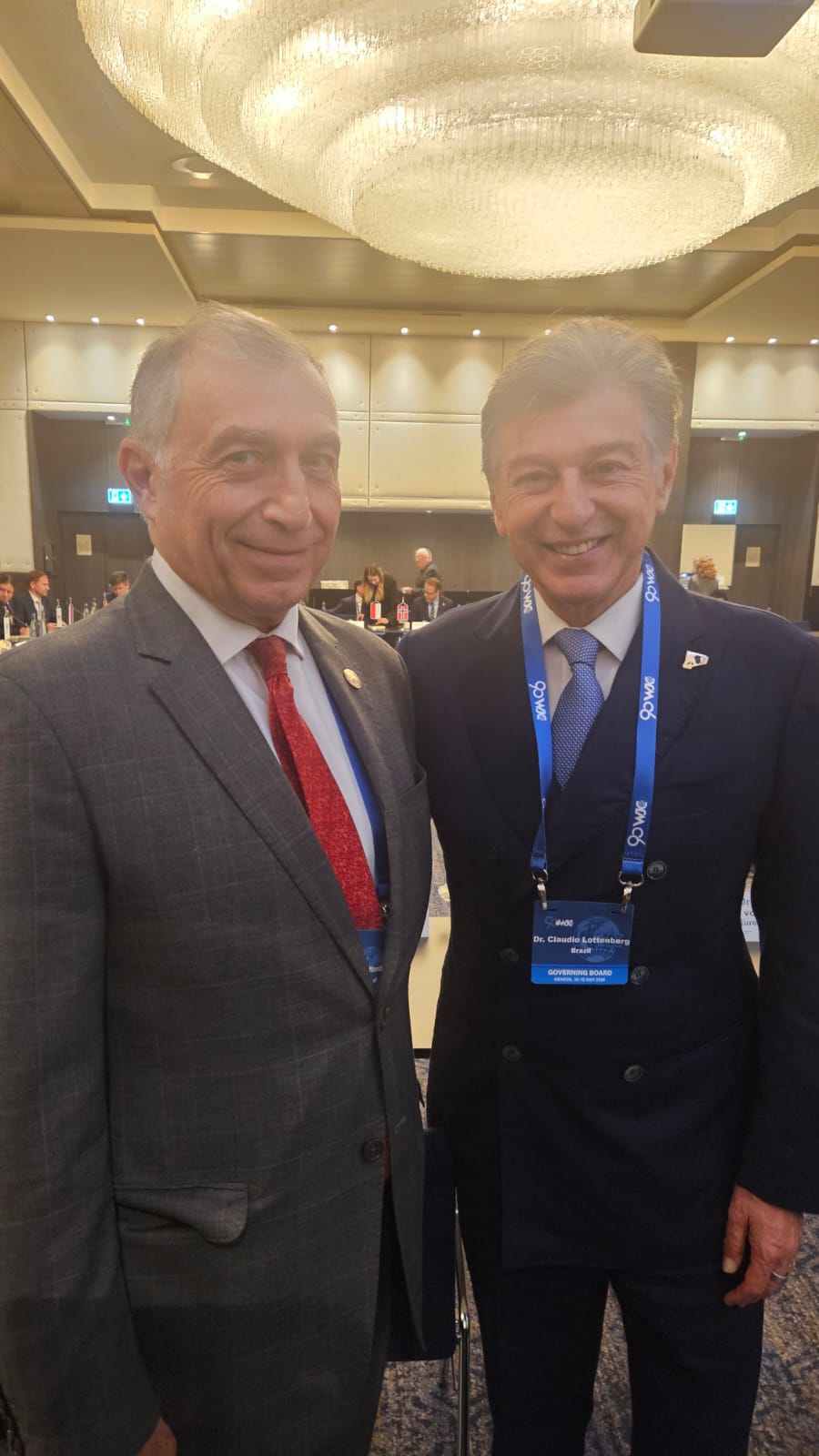
Source: Claudio Lottenberg
Commissioner for Antisemitism Affairs, World Jewish Congress