POST-HARMONY Special Project
A Celebration of the Spirit in Vienna
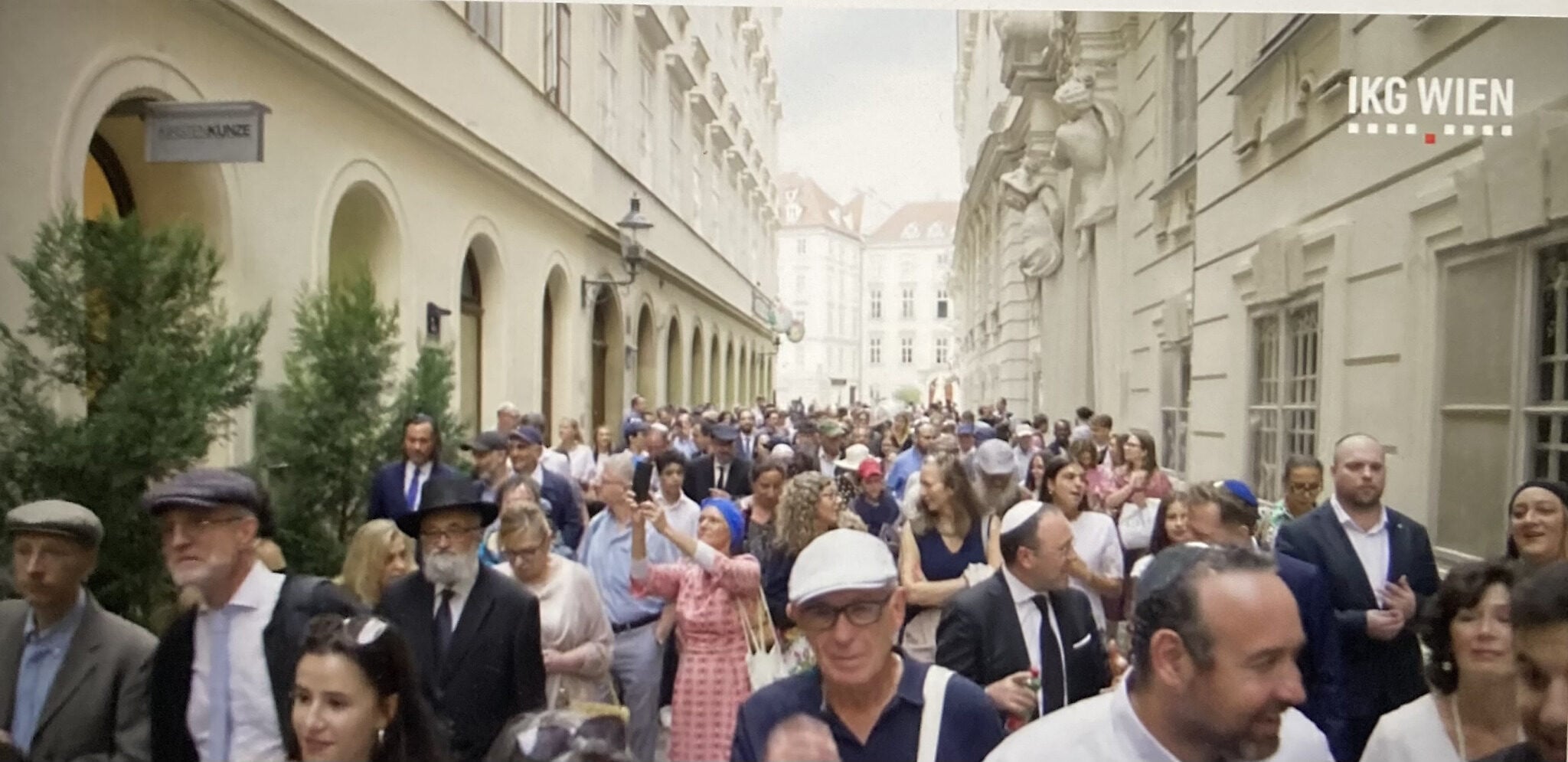
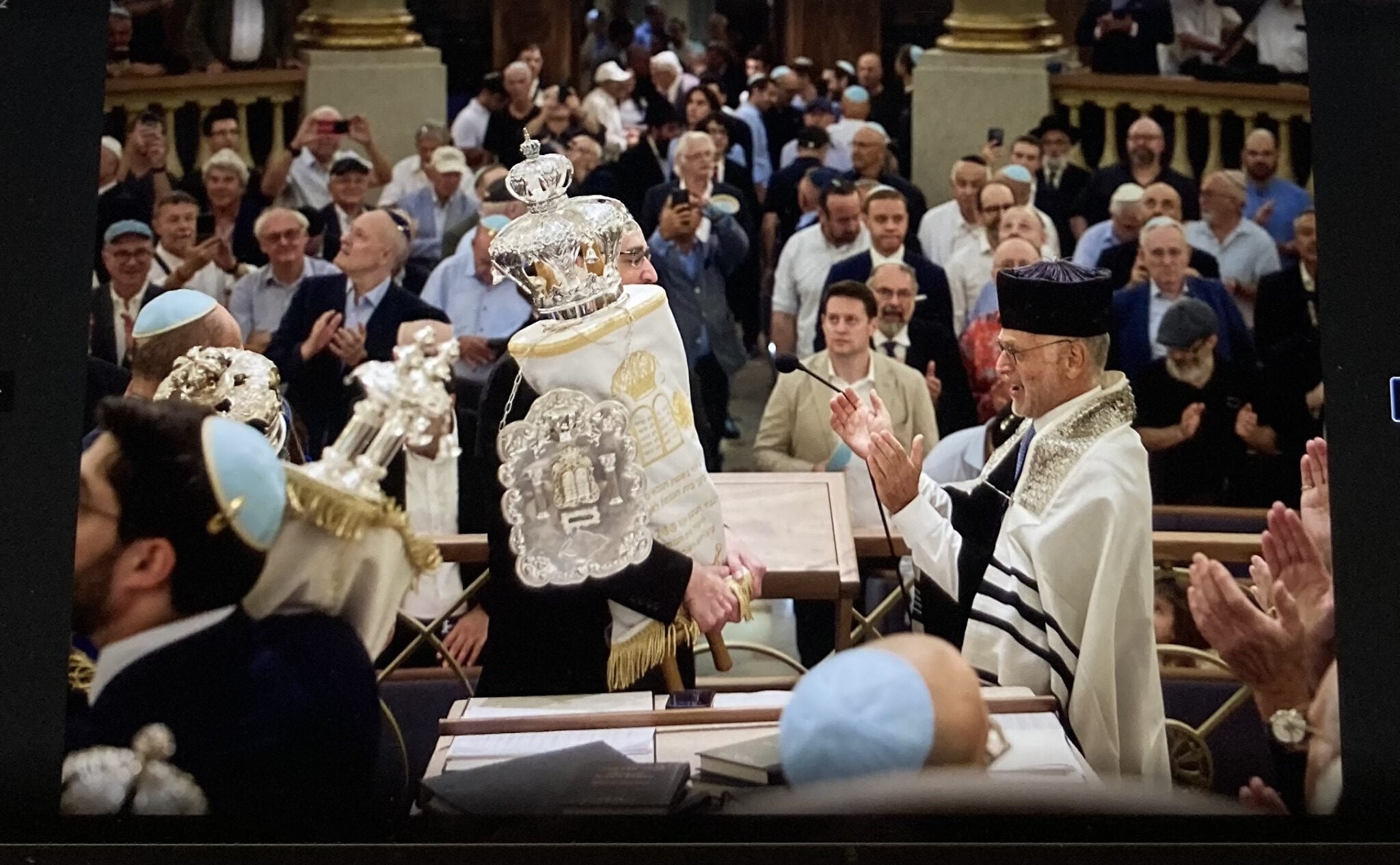
Celebration of the reopening of the restored Stadttempel in Vienna. September 2026. (C) IKG Wien, with kind permission.
The 200th anniversary of Stadttempel in Vienna
Part I
The Gift of Joy
On Rosh HaShanah this year, just on the eve of it, we’ve heard from good friends from Vienna. They were exalted and full of joy. As soon as I heard the reason for that and saw related photos and videos, I understood the reason for our friends’ elation momentarily. And I became smiling non-stop for days, quite conveniently for the Rosh HaShanah time. I’ve got the gift of joy, and a rather deep one. Vienna’s Stadttempel, famous City Temple of the Austrian capital has been reopened in a great way, after a ten-months extraordinary restoration, to celebrate its 200th anniversary.
With regard to these events, we witnessed several phenomena, all of which had been extraordinary, both in general and in the context of our current unnerving and saddening time.
The smiles on so many faces in Vienna on the Rosh HaShanah eve brought joy in our hearts too. We saw so many people celebrating the re-opening of their synagogue openly, in a large numbers, in the way of normality which has been gone from so many places both in Europe and world-wide.
We saw that they were an organic and distinguished part of their city and their country, which has been important and truly meaningful mark for everyone who has been aware with Stadttempel celebrations, especially, as it happened, in a graphic contrast with what so many of us have been seeing and experiencing in many , too many European and other countries today.
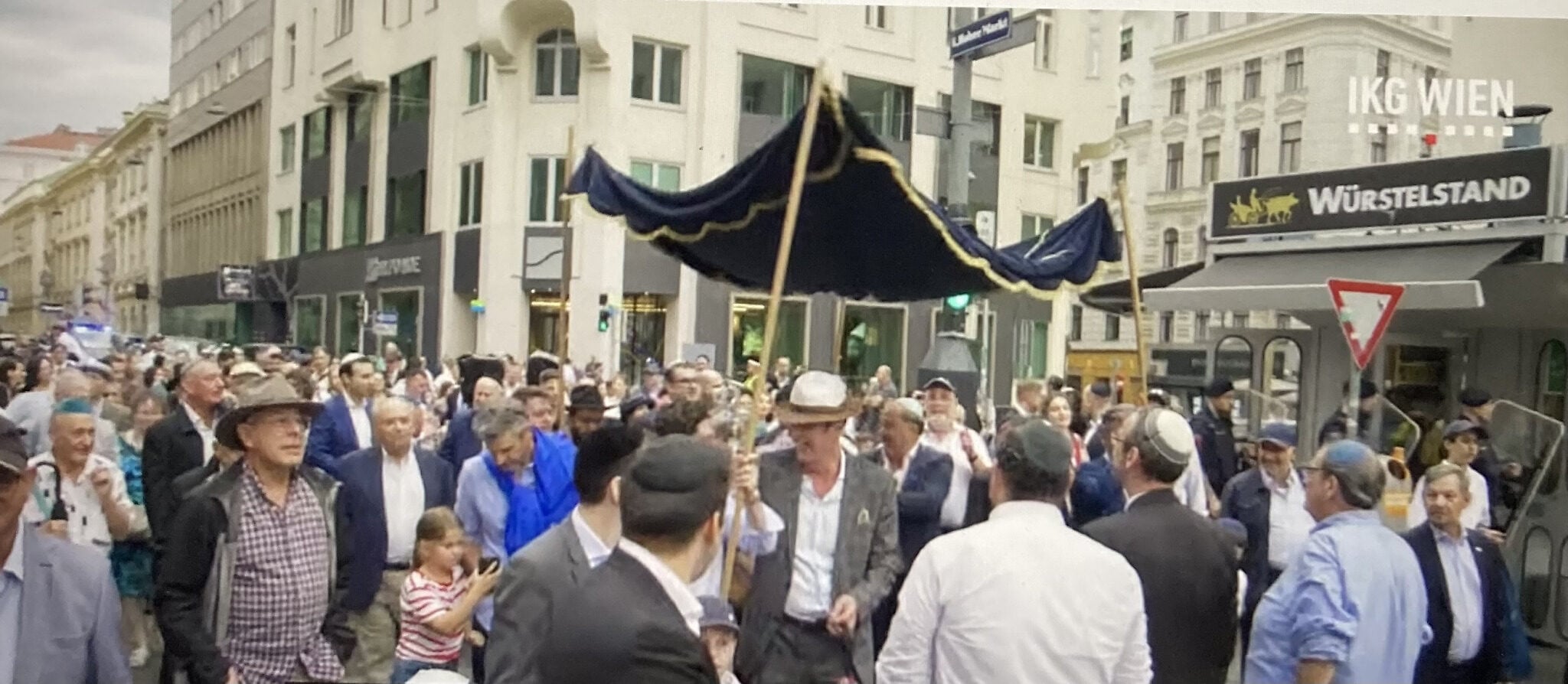
To see historical monument of rich Jewish history in Vienna restored and celebrated two months prior to the 88th anniversary of the Kristallnacht which has been viciously devastating in Vienna, and which, in general, has become the switch of the policies, practices, mood and attitude towards the European Jewry four years before the Holocaust has begun, makes one think about highly mattering timing for emphasising resilience of us living today.
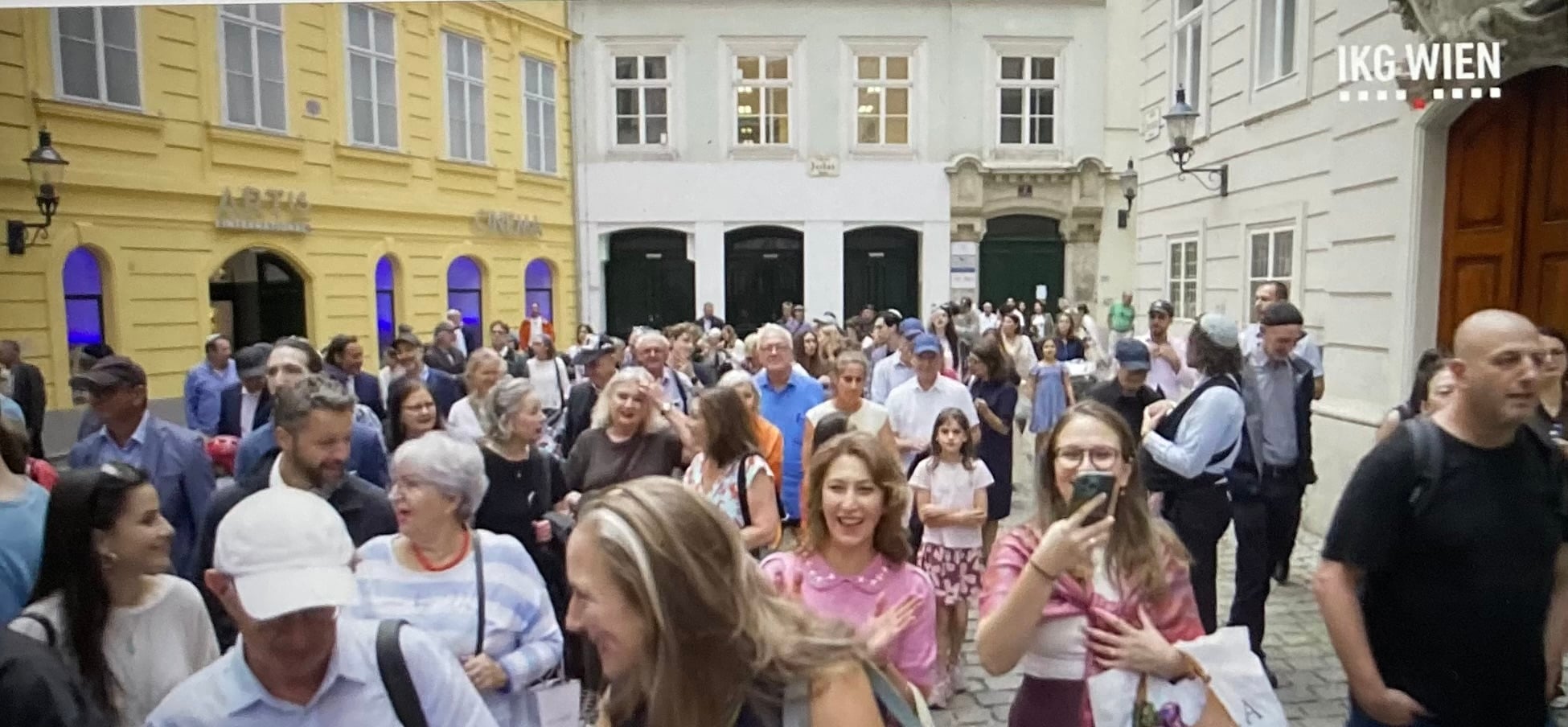
It projects healthy, if not vital shine of the rightful side today, visa versa such arrogant public hooliganism and lowest possible moral perversities like viciously planned November 8-9th 2026 rally in Philadelphia against Jewish-owned businesses in the centre of the city, or Nazi-time Juden-frei signs in the stores in the heart of Stockholm. Fortunately, the people of Philadelphia, both Jews and not, demonstrated quite a gut against vile anti-Semitic action in the centre of the city on November 8th, 2026, rebuking it by their very presence in quite an impressive number defending the businesses which were planned to be attacked.
But no one stopped one of the ugliest hate-demos in so civilised Amsterdam where seriously large crowds , all dressed in red, were happy to carry on No Jews in the Netherlands posters on the eve of the Kristallnacht on November 8, 2026. Human life , when it is Jewish, became the subject of permitted public intimidating mockery. Historical dates of vile annihilation are massively and happily used today for the feasts of moral perversity.
The bottom line here is that what yesterday seemed as completely unacceptable in a wide social accord and also at personal level, has become a normality of today. When such tendency normalises hate, we do know what it leads to. We are living in the age of an accepted and permitted racial hatred leading to speedily escalating mortal danger for Jews world-wide.
In Vienna, we saw the restored synagogue, which was a special part of the gift of joy. Stadttempel is famous for its special architecture that originated from the historical circumstances of Jewish life in the Austrian Empire, and also by its beauty in many details of it. To see that beauty restored in the way it has been done in Vienna, in an astonishingly short time of just ten months, and with the level of professionalism it shines on now, has become a truly superb discovery.
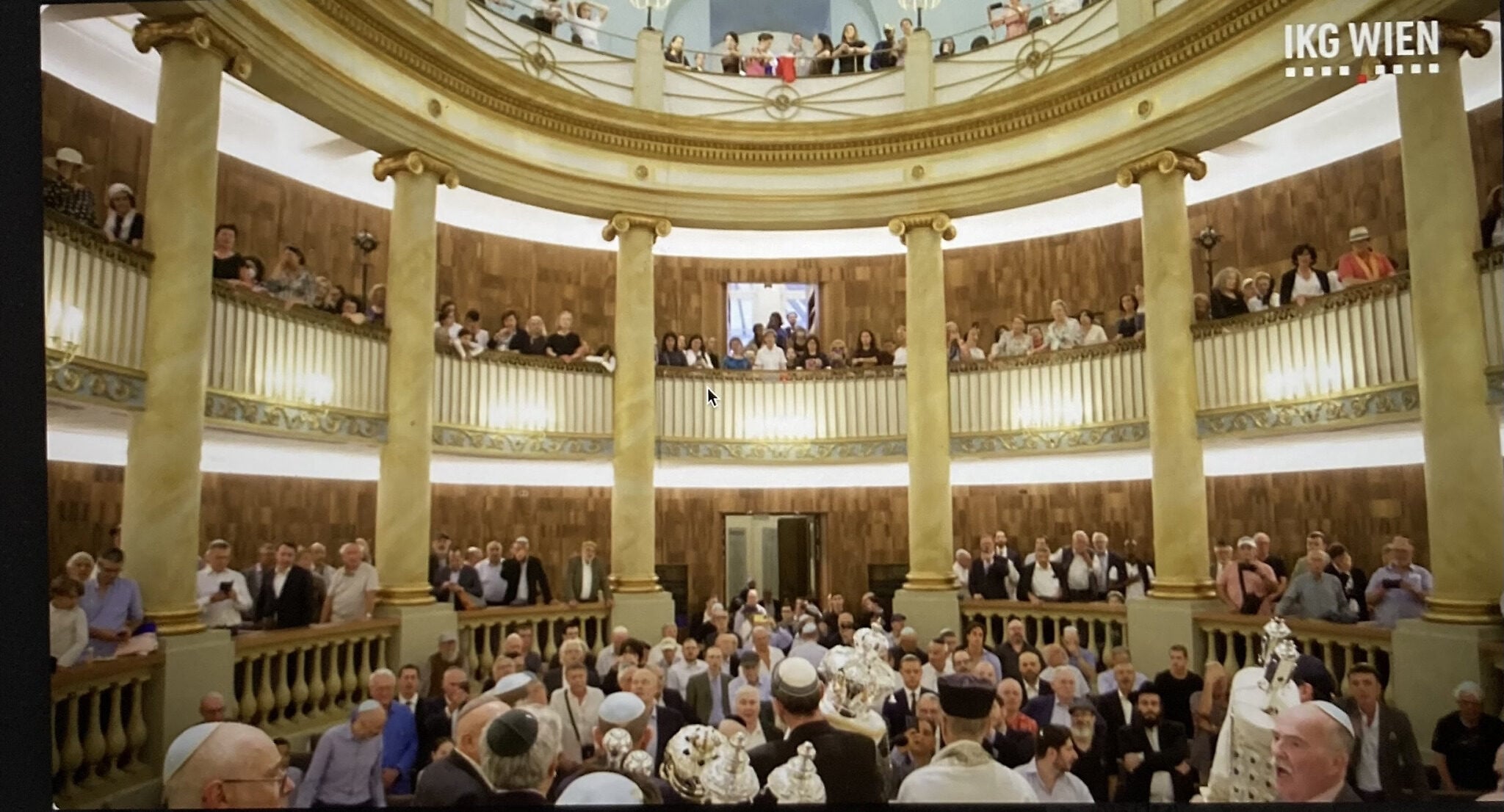
In a significant contrast, in the process of the Stadttempel reconstruction and in the way of its celebration, Vienna has demonstrated the normality, respect and adequacy towards history and people. Meaningfully, we are speaking about a quite particular house of prayer in the heart of Europe, embedded in a long, substantial and mattering history.
A synagogue connection
We all have our own relationships with our shuls, those who care. For many, it is the family history and the precious interconnection with it. For many, it is a warm life-club throughout the years. For those who travel, it is a mirror of various communities in so many quite different places. It always tells many things in one go, reflecting the corresponding communities’ history, energy and atmosphere.
My husband, artist Michael Rogatchi and I were lucky to visit and see around a hundred synagogues worldwide, a subject of our special art educational project. Some of them become second spiritual homes for different reasons, both historical and personal.
Among those are the fantastic Golden Rose grand synagogue in Dnipro, Ukraine, which has been re-built after 75 years of Soviet rule at its old place which has been almost destroyed, and what left of it was used as a storage for decades. There is also a very dear to us Western Marble Arch splendid in every way synagogue in London, which was the place where the Lord Rabbi Jonathan Sacks was the rabbi before becoming the Chief Rabbi of the UK and where he still administered High Holidays until the rest of his life. It is a magnificent Great Synagogue in Jerusalem where one feels the Jewish cord of life as an element of nature.
And there are so many others which are all unique, and which all have left their own special imprint in our memory and souls. Old and new, large and small, all with their own history and character, synagogues in Tallinn and Budapest, Paris and Casablanca, Safed and Amsterdam, and many others world-wide are all remembered fondly and have left their own traces in our lives.
Stadttempel in Vienna is a special one for us for various reasons. We both always treat it as a delight, with this special feeling of flying up when visiting it. Its beauty and uniqueness, its special and dramatic history, our family and friendly connections to Viennese Jewry all have played its role in this special feeling of admiration and closeness which Stadttempel evokes in us for over three decades of visiting Vienna for various reasons and projects.
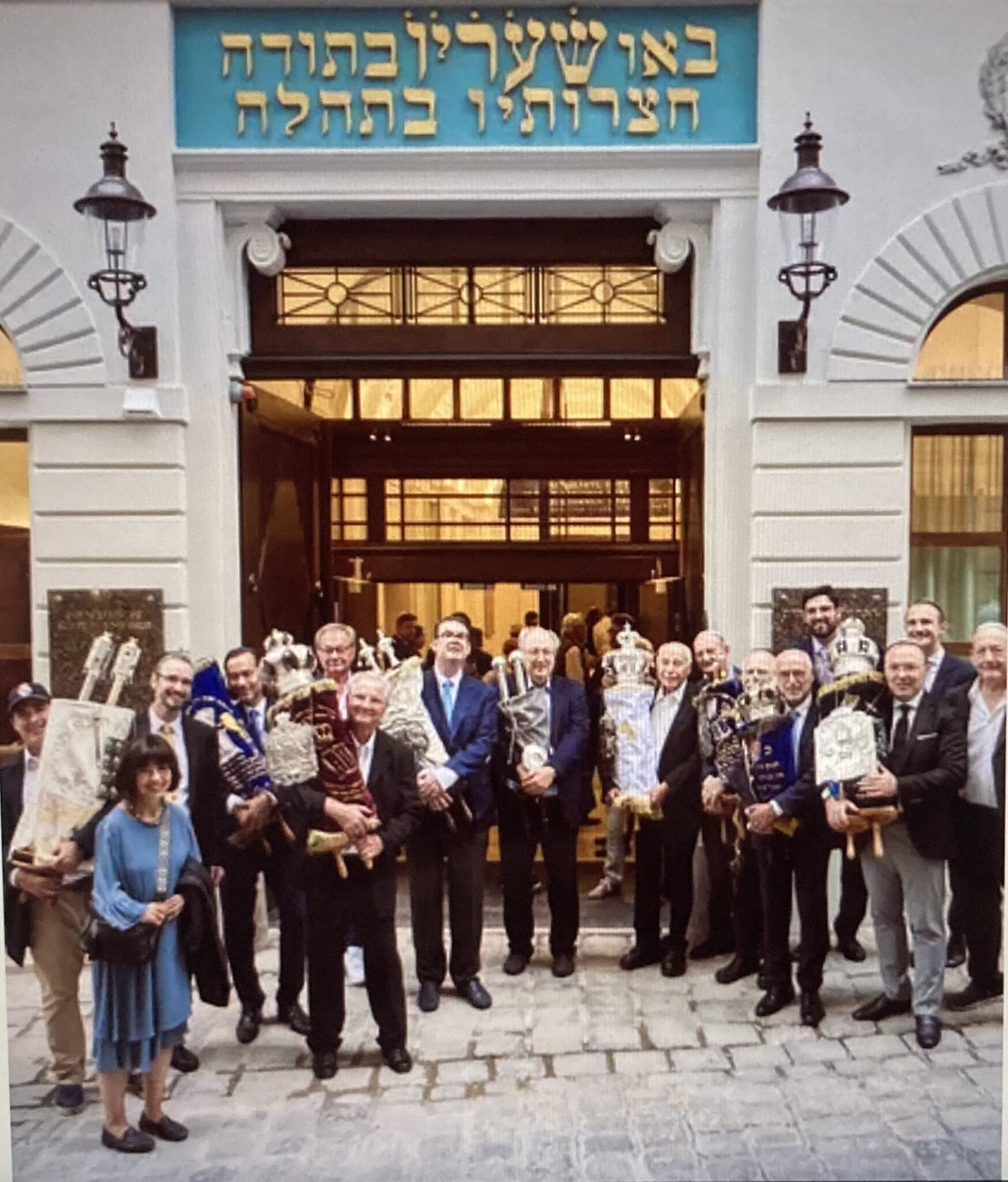
To see Stadttempel restored to its original beauty in no time and at such superb level felt not only as an inspiring public celebration of Jewish heritage, but also as a personal gift. And what a timing.
Stadttempel: beauty & resilience of spirit
The drama of Austrian and Viennese Jewry is maybe well-known, but I am wondering if it is understood as it should be. Before WWII, 180 00 out of just over 190 000 Austrian Jews lived in Vienna. Many of them have brought a permanent glory to their country in a world-wide context of civilization as writers, musicians, artists, doctors, academics and businessmen. At the period, there were 94 synagogues and houses of prayer in Vienna. Only one of them survived, Stadttempel.
Being attacked and severely damaged on Kristallnacht 88 years ago, the synagogue was not torched because of its unique location. Built in 1826, it had to follow the specific edict of the Emperor Josef II allowing the houses of prayer to face the public spaces and streets with distinctive facades only for the Roman Catholic churches. The rest had to hide and improvise.
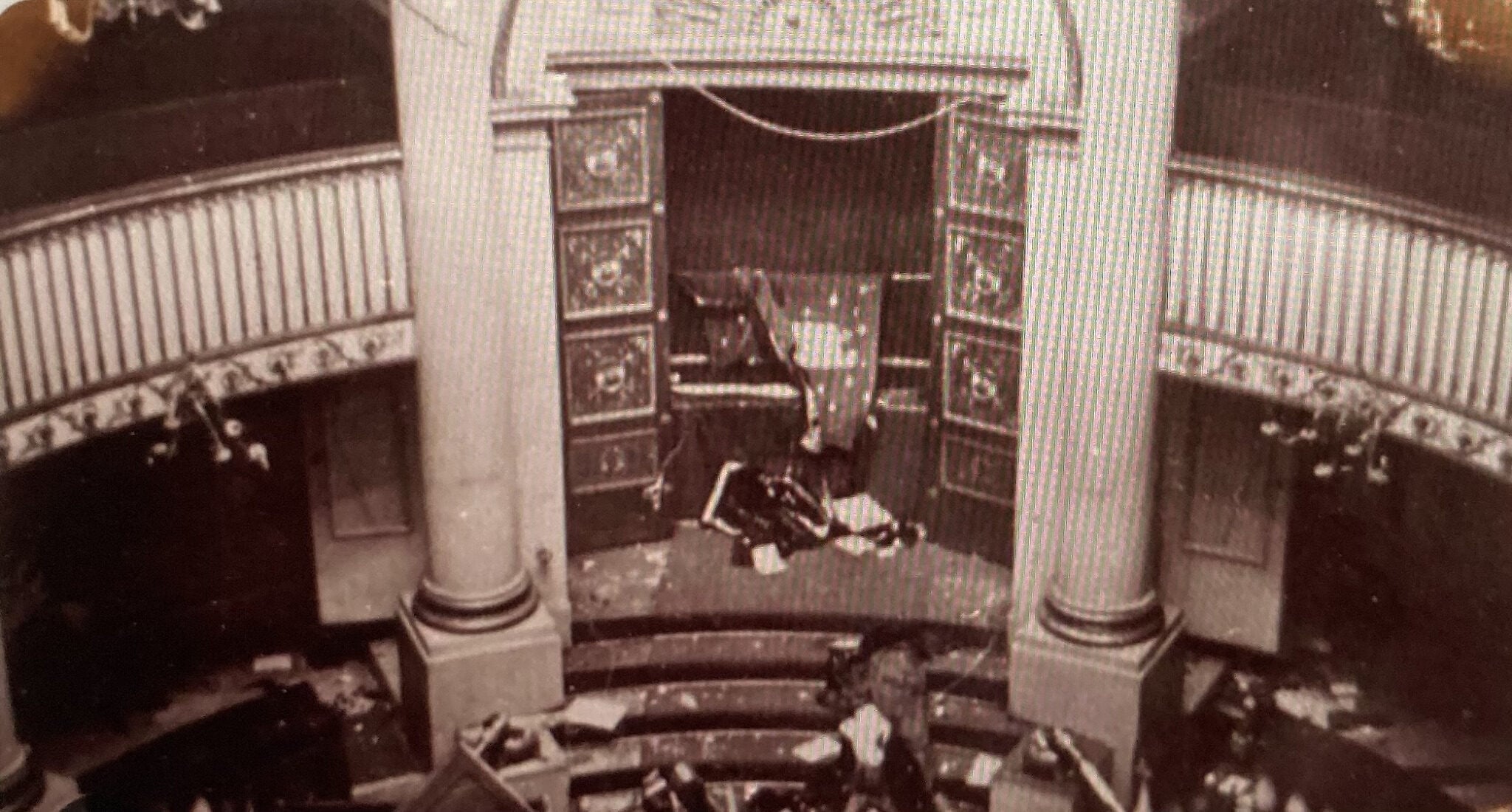
The Jewish community of Vienna did precisely that, building their temple in what we now know as district 1 of the Austrian capital, near the city’s historical centre, constructing it as part and inside of residential houses, basically semi-hiding it, with no facade at all.
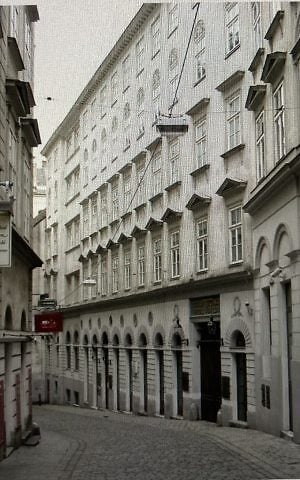
The decision made by the elders of the Vienna Jewish community in early 1820s had two striking consequences: it dictated to the famous Austrian architect Joseph Kornhäusel who was commissioned to project the synagogue , to make its hall in an oval shape which is unique among the synagogue buildings world-wide, and it saved the Stadttempel during the Kristallnacht pogrom 112 years later, and throughout WWII. Unlike 93 other synagogues of Vienna, Stadttempel could not be torched as the fire would spread all over many properties around it which had been classified as ‘an Aryan property’ by the Nazi regime and thus should be protected.
The oval shape of Stadttempel has made it very special, original and beautiful. Kornhäusel, who was famous for many theatres in his career, had a special eye for theatrical proportions and particularities, many of which worked in an unusual way for a Jewish house of prayer.
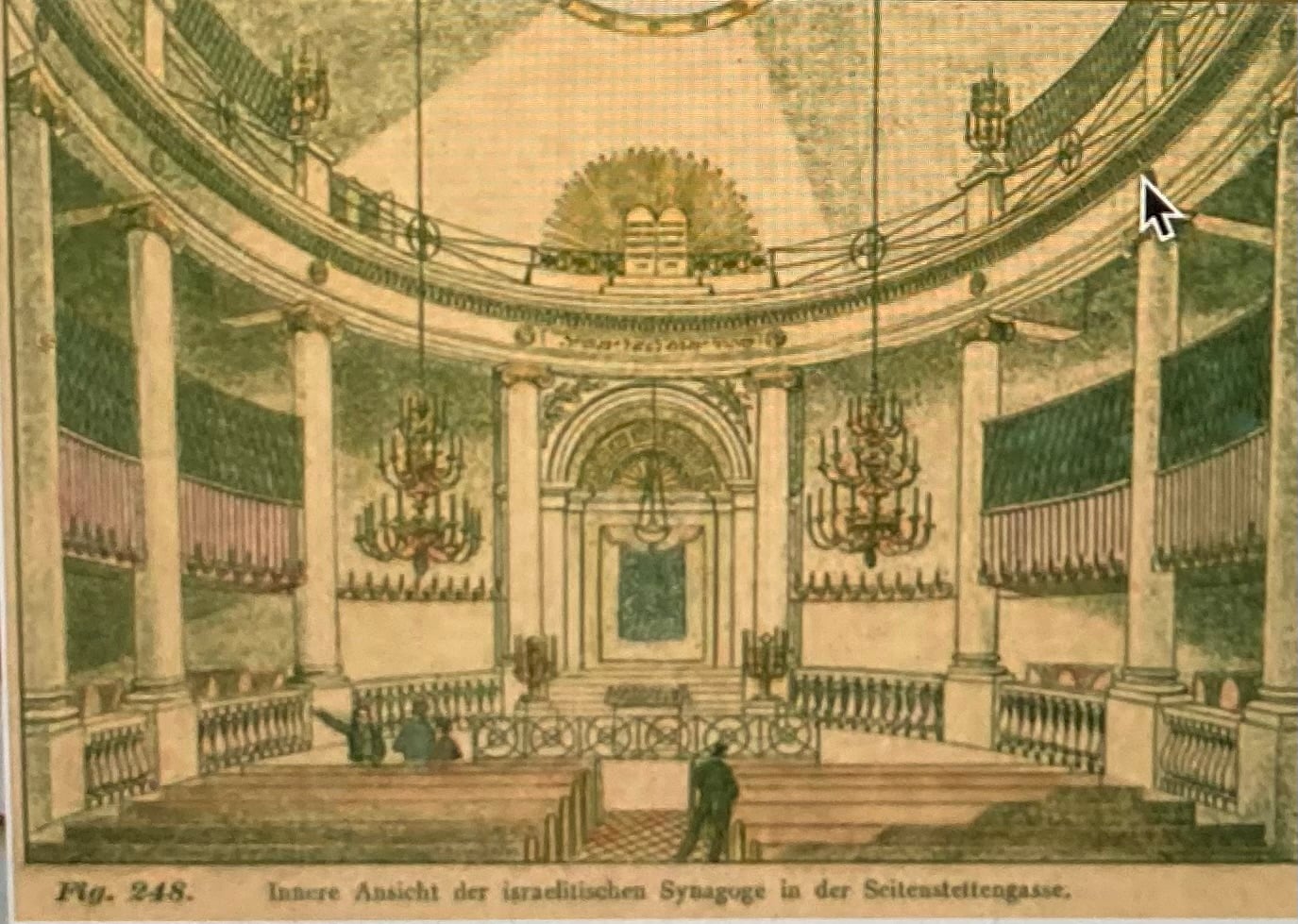
He might also know that oval as a form has an important symbolic meaning in Judaism , referring to continuity, harmony, and divine protection within the oval or circular shape. Thus, the architectural decision for the hall of Stadttempel which came as a necessity due the objective realities of life in the Austrian Empire in the 1820s, resulted in the unique beauty of the City Synagogue of Vienna and saved it.
After the devastation of the Shoah, the place for prayer and the centre of the Jewish life in Vienna, one of the most Jewish capitals of Europe, was there. Only in May 1945, not more than 5 000 of the Viennese Jews survived, out of 180 000. 2,6%.
It is also worth remembering that the notorious Mauthausen concentration camp, 150 km from Vienna, was established three months before the Kristallnacht, in August 1938. What thorough planning. For diabolically thorough execution.
Despite and contrary to it all, today, in Autumn 2026, Stadttempel was full and celebrated, in an extraordinary achievement of spirit by the Jewish community of Vienna, the authorities of the city and the country, and all who contributed to that milestone in many ways.
Part II to follow.
September – November 2026
Vienna
Related Topics