Thanks For Checking Out My Thoughts
A Critical Period In The Jewish Story
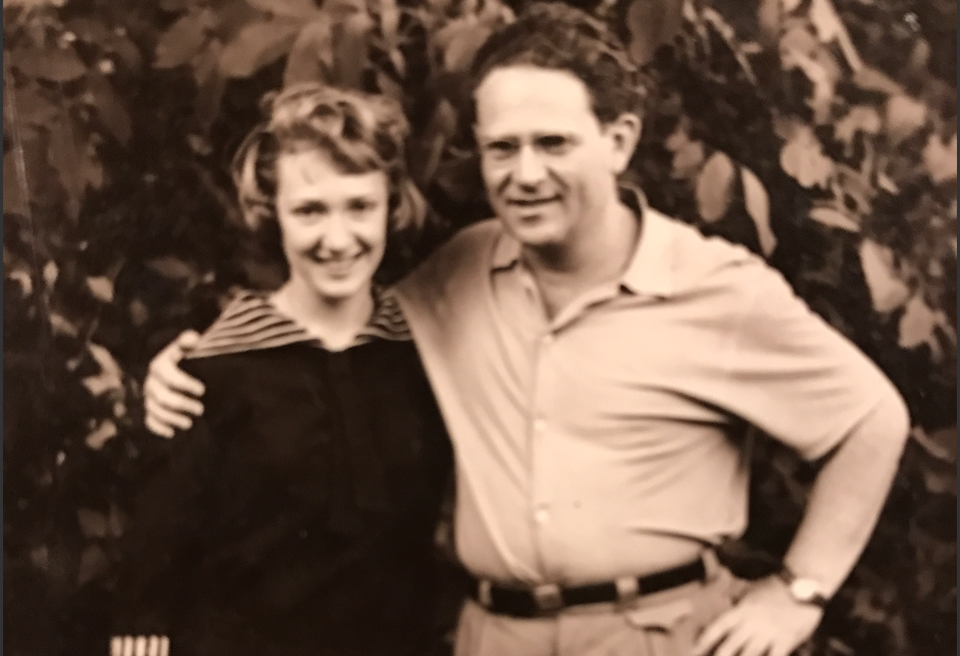
My mother, Anat Shmulovich, as a teenager, with her father, Anatoly Yershkovich. As a refusenik, a Jew denied an exit visa, he protested the Soviet government until they not only granted him the right to leave, but demanded him to.
To all you Ashkenazi readers, let me ask you: How much do you know about our history? How well could you talk about the experiences our families lived through in the 20th century? Maybe we’ve heard a story or two, but could we really do a deep dive into our families’ lives at the time?
We may know who in our families survived or died in the Holocaust, or that our families fled an oppressive regime like the Soviet Union. So really, we know the most horrifying and euphoric episodes of our peoples’ history, but there’s a whole lot more that happened in between those two or three decades.
As someone who is regretful that I didn’t spend more time listening to stories about life during WWII while more of the Greatest Generation were still with us, we really shouldn’t make the same mistake with the boomers.
Already, I regret not hearing more stories from my late father’s life: he was a talented scientist, who, just because he was Jewish, had little chance of getting ahead in Lithuania. To learn about his life is to better understand what it was like to grow up in the post-war Vilnius as a Jew (needless to say, he went on to do great things as soon as he left the Soviet Union).
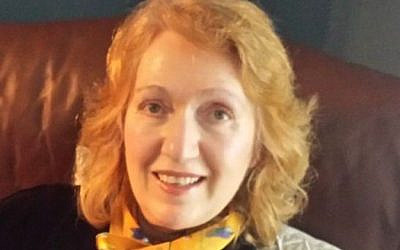
For millennials with family roots like mine, these are the stories we need to hear. My mother’s book, “Where the Night Train Ends”, offers one of these stories. You’ll see what it was like to grow up Jewish in a country where students, teachers, neighbors, and just about the whole system wanted to see her fail.
You’ll see how my grandfather frequently protested the KGB to help Jews be granted permission to leave the Soviet Union. You’ll also get a firsthand account of what my mom’s teenage sweetheart, the prominent figure in Israeli politics and iconic refusenik, Natan Sharansky, was like as a young man.
Stories as cultural bridges
In what couldn’t be more perfect timing, yesterday I saw Minari, a film about a Korean family whose immigrant father tries to build his own farm in Arkansas from scratch. (For those of you who haven’t heard about it, it’s been making major waves and was a Best Picture nominee at the Academy Awards.) The director of the film, Lee Isaac Chung, said on NPR:
This quote could really hit home for any second-generation immigrants. It did for my sisters and I. There is just so much about our parents’ and grandparent’s experiences we will never understand. But, by doing our best to learn about them while they are still here to tell their stories, we are one step closer to understanding our own roots.
While “Where The Night Train Ends” has no release date yet, it’s my hope that it will be one of the works that give us a more complete picture of post-war Jewish life in the Soviet Union. Whatever stories we don’t hear will most likely be lost forever, so to listen to these stories is to save them. It is to honor and cherish them.
Related Topics
Related Posts