
CFO | Empower Society for Good I Author
A Cry from Within
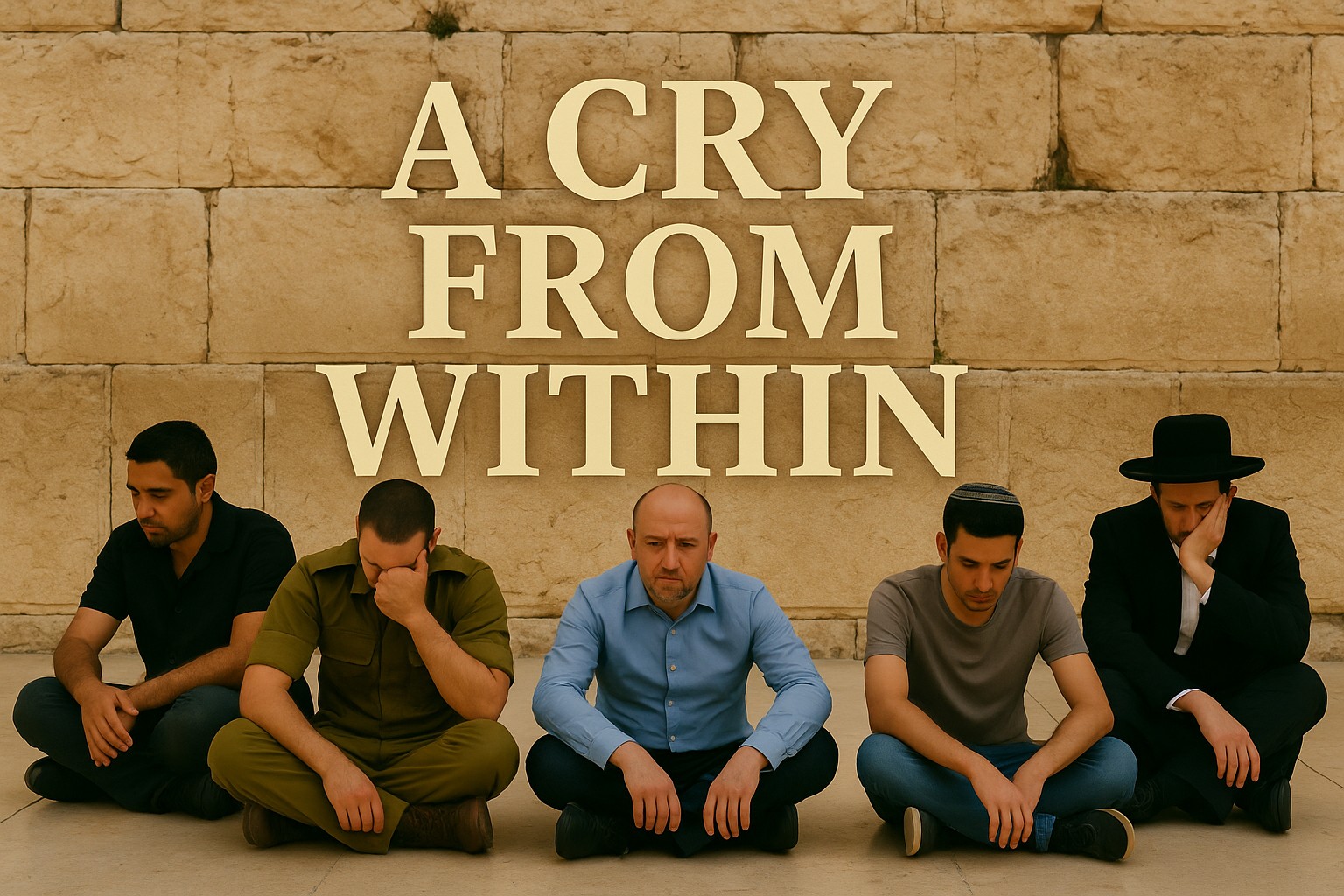
The Soul of Israel – Shabbat Chazon & Parashat Devarim: A Cry from Within
Sigh… I’m not sure where to start.
The soul of Israel feels divided. Fractured. Traumatized. We are in a war — not just on the battlefield in Gaza, but deep within ourselves. From the very beginning of this conflict, we’ve been torn between action and paralysis, between morality and survival, between hope and despair.
After October 7th, we should have responded with overwhelming force. Instead, we sent our soldiers into booby-trapped alleyways and underground mazes. And while that decision came from a noble place — a desire to save the hostages — it has come at a tragic price. Brave soldiers, lives cut short. Families shattered. And those hostages, still languishing somewhere in dark tunnels, nearly two years later.
This war has reminded us — perhaps more than we’d like to admit — that we’re not just fighting Hamas. We are wrestling with the question of who we are, who we wish to be. What is our future, and are we willing to sacrifice everything to get there?
A Timeless Parable from Parashat Devarim
It’s no coincidence that this week’s Torah portion is Devarim, the beginning of Moses’ final speech to the Children of Israel. He recounts their journey from Egypt to the edge of the Promised Land. A journey that should have taken days stretched into 40 long years — not because of geography, but because of fear, hesitation, and spiritual unreadiness.
And here we are again. A war that some believed would be over in weeks has dragged on for nearly two years. What could have been swift and strategic has become prolonged and emotionally draining. Because we, like our ancestors, are afraid. Afraid to face the harsh truth: we are fighting evil. Not just a military enemy — but an ideology, a darkness that glorifies death and manipulates truth.
We are also fighting for perhaps 20 live hostages. Twenty souls who deserve life, freedom, and light. And yet, logic creeps in — are we sacrificing our future, our nation’s sanity, for an outcome that may no longer be possible?
“The War Will Never End — The War Is Within Us”
A telling moment came last week when my wife was speaking to an Army officer. She asked, “When will this war end?” The officer responded soberly, “The war will never end — the war is within us.”
Indeed, Israel today is battling itself. The internal divisions — political, religious, ideological — run deep. The trauma of October 7th has not united us in purpose as one might have hoped. Instead, it has exposed raw nerves and deep rifts.
We see it even among our journalists and thought leaders— for example, a recent public spat between Daniel Gordis and Yonit Levy of Channel 12. Both are respected voices. I must admit I am a frequent listener to Yonit’s sharp and articulate commentary on her podcast Unholy – Two Jews in the News. She speaks fluent English and expresses the pain and tension of this moment with clarity and compassion. But even between people who share a common love for Israel, the divides are showing.
Yonit Levi: “Maybe it’s time to acknowledge that this isn’t a PR problem, but a moral problem.”
The tsunami of change across Israeli media, journalists, and bloggers is stunning. A trickle of suggestions that Israel isn’t blameless in the hunger situation has morphed into a torrent of rage.
https://danielgordis.substack.com/p/yonit-levi-maybe-its-time-to-acknowledge
Here are more examples of the war within. Conflicting, soul-wrenching. Confusing. Contradictory – These are all from this were this week.
Israel must end this war by winning it.
Feeding the enemy, trading hostages for terrorists, and extending the war under the banner of morality are not acts of ethics; they are acts of madness.
https://www.futureofjewish.com/
Israeli rights groups brand Gaza campaign ‘genocide’
Israeli rights groups B’Tselem and Physicians for Human Rights Israel have said that they had concluded the war in Gaza amounts to “genocide” against Palestinians, a first for Israeli NGOs.
https://www.rte.ie/news/world/2025/0728/1525661-gaza-israel-aid/
Revenge Is Not a Policy’: Israelis Voice Dissent Against the War in Gaza
After a long silence, prominent Israelis and activists are increasingly raising alarms about potential war crimes being carried out by the government.
NY Times
Gaza’s Famine is a Suicide Attack
How understanding the manufactured famine in Gaza in terms of Islamist strategy can help us identify the appropriate response
https://alighthouse.substack.com/p/gazas-famine-is-a-suicide-attack
The”Palestine state” extermination gambit
Today’s accomplices to barbarism aren’t dressed in jackboots or the shades and braid of a junta generalissimo. They wear the suit and earnest spectacles of a human rights lawyer. It is today’s banality of evil, and it is frying the Western brain.
https://melaniephillips.substack.com/p/thepalestine-state-extermination
It would seem that Israel’s image is taking a battering, and this Tisha B’Av would be an appropriate time for reflection.
A Time to Pause
This past week, we saw a tactical pause in the fighting to allow humanitarian aid. And perhaps that’s what we need now, not only militarily, but nationally. A pause for reflection. A pause to heal. A pause to ask: What is our vision for the future? What are we building?
We know Hamas is calculating. They want to wear us down. And sadly, they have succeeded in many ways: October 7th was a military and societal shock, but they’ve also won battles in the UN, the global media, Governments supporting their cause, and among influencers and activists who now chant slogans they do not understand. Interestingly, these slogans go beyond calls of peace – Two states for Two People, but chants of River to the Sea, Palestine will be free (of Jews), Genocide, Starvation and more.
But if we react, if we define ourselves solely by revenge or resistance, then we are no longer building a nation, but clinging to a fight with no end.
Shabbat Chazon – A Vision Among the Ruins
This Shabbat is Shabbat Chazon, the “Sabbath of Vision,” named after the prophetic vision of Isaiah read before Tisha B’Av. It’s a vision of destruction, but also of redemption. A call not just to mourn the past, but to reimagine the future.
Can we envision a better Israel — one rooted not only in defence, but in dignity?
Can we imagine a Gaza that is rebuilt — not by Hamas, but by Palestinians who reject terror? Who embrace peaceful co-existence.
Can we envision an Israel that is not at war with itself?
The message of Devarim is that the wilderness journey ends not when the enemy is vanquished, but when we find the courage to truly enter the land — to face ourselves honestly and embrace responsibility.
I invite you to read my reflection from earlier this week – From Destruction to Innovation.
I am sharing a deeply personal reflection on these Nine Days leading up to Tisha B’Av, remembering the destruction of the Jewish Temples 2000 years ago and how—despite sorrow, accusation, and loss—Jerusalem continues to build. From the ashes of the Temple to the startup labs of Hebrew University, innovation flows from this ancient city in powerful ways.
https://jeffreylevine.substack.com/p/from-destruction-to-innovation
From Holocaust to Hope — And Back Again?
Eighty years ago, Jews crawled out of the ashes of the Holocaust. From unfathomable trauma, they built the State of Israel. Holocaust survivors — wounded, bereaved, but resolute — planted vineyards, wrote laws, raised families.
Today, that same resilience is being tested again. Perhaps, like them, we too must find a way to “move on,” not in forgetfulness, but in forward motion.
In Conclusion: The Rose Among Thorns
We are still a rose among the thorns. But the thorns are many, and they’re sharp. To bloom again, we need more than just survival — we need soul, we need unity, we need vision.
This Shabbat, let us pause. Let us cry on Tisha B’Av if we need to. Let us argue — but let it be towards clarity. And let us hold onto the hope that out of the darkness, a new light will yet shine for Israel.
Cover image – created by ChatGPT
Related Topics
Related Posts