Community social work researcher, activist, and facilitator
A Farewell from an Empty Campus
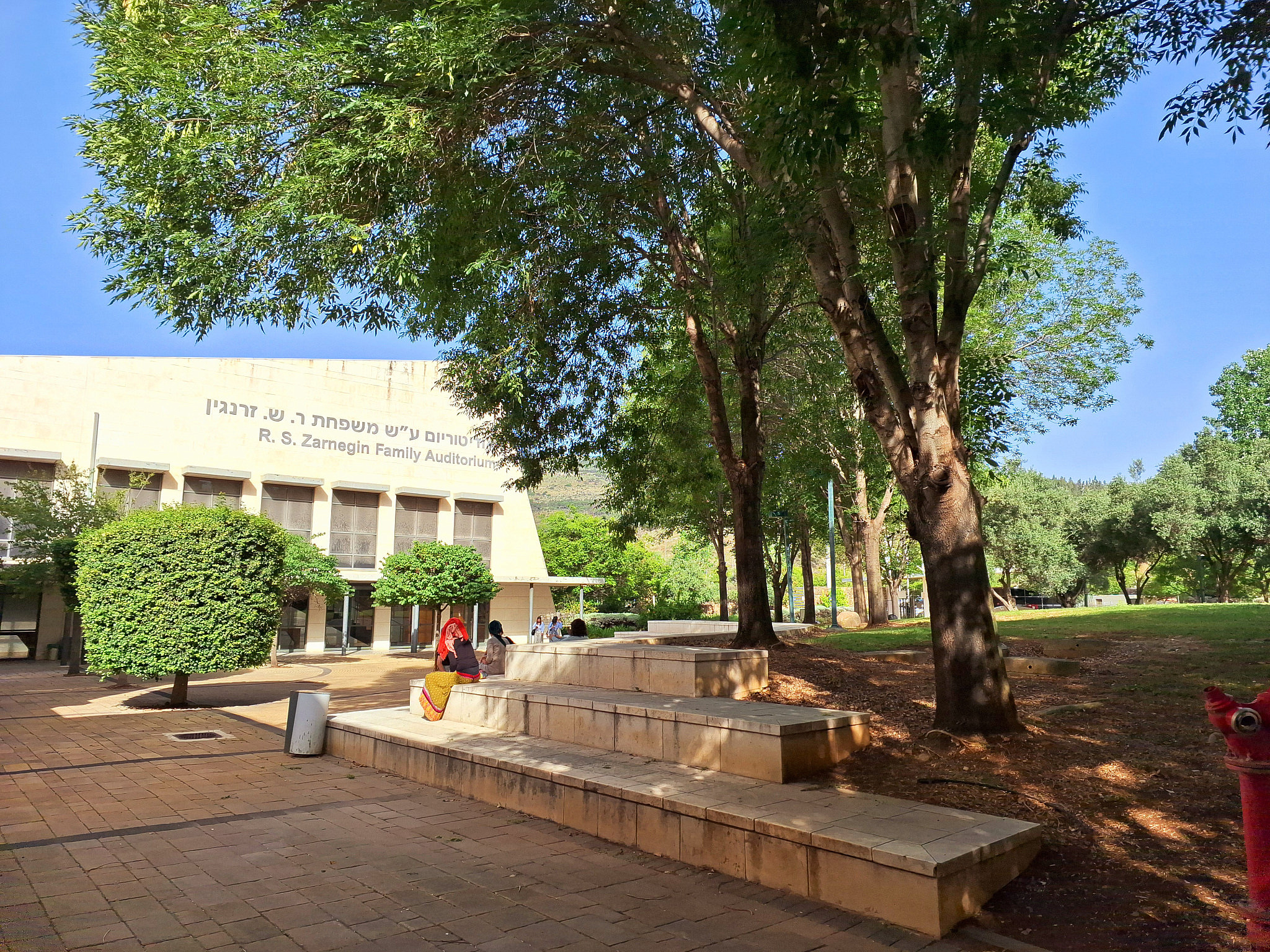
Returning to a reviving campus
It’s the last week of the academic year, in a campus that stood empty for nearly two years. Students on Zoom, always with someone missing: one is on reserve duty, another is still in boxers struggling to get out of bed, and yet another is out in the field, already grasping the weight of the hour, requesting permission to miss class so they can attend to hardship in a war-stricken community.
Over the past two years, I’ve seen my students in situations rarely encountered in academia. Students curled up under blankets, soldiers in uniform driving from point to point while listening to lectures, mothers nursing infants, fathers with toddlers climbing all over them in demand of attention. Even students wandering around with their backpacks, joining class from a phone while moving in-and-out of apartments and shelters.
Only twice during these years did I visit the deserted campus. The first time was filled with fear and tension, when I drove along an empty road to Tel Hai through deserted streets. As I approached the college, expecting a horrifying scene of war, I was relieved to discover “only” a hole in the road, the result of a rocket or debris.
The second time I visited the campus on a day filled with hope. Amid the return of evacuees to their homes, amid talk of rebuilding communities – students, too, were invited for an in-person class, just like in the good old days. We made our way to Tel Hai excitedly, amazed to see full-sized people, surprised by how we look in real life outside the Zoom hive. We were all beaming, all smiling; people who had never met before in real life – hugged like old friends. We entered the classrooms and unloaded piles of dusty chairs, untouched for far too long. I reminded one student who had asked me at the beginning of the year, “If we studied on campus, how would we sit in your class – rows or a circle?” I was glad he got to experience, at least once, the camaraderie of a circled shared space.
This week, we part ways. Final classes mark the end of a journey, as a new generation of social workers steps into a reality that no theory or course could ever fully prepare them for. Their learning came not only from books, but from life itself; from moments they brought into the classroom as lived examples drawn from their own experience. These young people have lived through stories that stretch the limits of belief. And somehow, whether it’s resilience or just the crazy Israeli way of carrying on, they tuck those memories away – and keep moving.
We thought we were finally beginning to rebuild. We made plans for recovery, began speaking the language of healing, of returning to life. But once again, the ground trembled beneath our feet. Each time it happens, it feels a little stronger. We ask ourselves, are we becoming stronger too?
We’ve grown used to Israeli slogans about resilience and endurance, like “what doesn’t kill us makes us stronger”. But the truth is, there are days when all you want is to pull the blanket over your head and wait for the storm to pass. To let go, to stop pretending we’re fine, to admit we’re tired of holding it all together all the time, tired of performing normalcy in a reality that is anything but normal. We have become experts at living in uncertainty, where one crisis layers over another until the present becomes a heavy fog and the future impossible to see. Emergency has become routine, and it is quietly wearing us down.
Still, social workers are expected to stay strong, for the sake of others. I remember last year’s graduation ceremony, held on Zoom like everything else. One of the new graduates, just stepping into the field, ended with a quiet wish: “May we be of help.” The air back then was still thick with the aftermath of October 7th and the war in Gaza. Today, another class of social workers is setting out, while parts of Israel now looks like Gaza, struck by the war with Iran.
The fact that our students studied on Zoom, in army uniform, or from under a blanket -doesn’t make them any less remarkable. If anything, it gave their learning a kind of depth no syllabus could ever provide. They’ve seen, coped with, and lived through almost every word in their textbooks. They know what it means to hold a wounded soul, they come from communities that are still holding their breath, still yearning for hope.
And we, who sat alone on the other side of the screen these past two years, can only hope they carry not only strength into the world, but also the permission to care for themselves, above all else.
Related Topics
Related Posts