A Gam v’Gam (This and That) Reality: Part I
For much of Israel, it feels as though the war in Gaza has entered a new chapter. Reservists have started returning home, most of the remaining hostages freed from captivity, and the academic year is now getting underway. Daily life, at least on the surface, seems to be slowly regaining its rhythm.
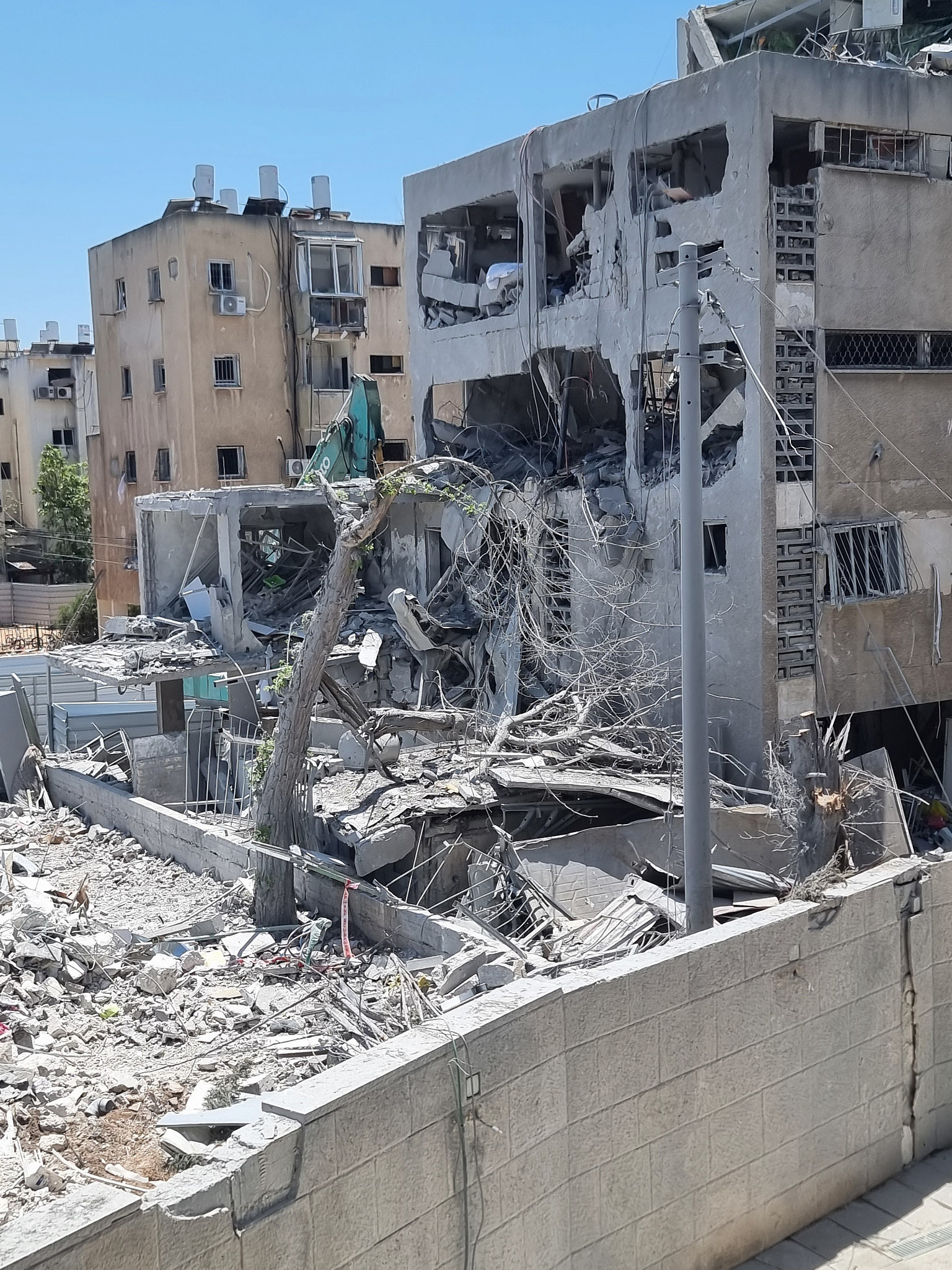
But for the communities of Israel’s north and south, the war has not ended. Their landscapes, both physical and emotional, still bear the marks of trauma and loss. Sirens still blare, sounds of war still emanate from Gaza, and reminders of absence, grief and fear linger in everyday life.
For them, there is a growing realization that this war is not the “final round” of fighting we all hoped for, but more likely another in a long series of cycles that have come to define life along Israel’s borders. And so, they continue living in a reality that they describe as gam v’gam – “this and that.” With fear and hope. With grief and gratitude. With sadness and solace. With the impossible task of holding both devastation and determination at once.
Over the past two decades, residents of these regions have developed a kind of armor – a resilience born of necessity. Children learn where the nearest shelter is before they learn the alphabet. Parents plan weddings and bar mitzvahs between rounds of rocket fire. Teachers deliver lessons in classrooms that double as bomb shelters. This endurance is not passive; it is an act of survival. A testament to what it means to live in a country that is both vibrant and vulnerable.
But no armor could have prepared residents for October 7, 2023. The day that broke even the most seasoned Israelis — veterans of Hamas attacks and Israeli military reprisals. The devastation – of life, of community, of safety – demanded not just recovery, but reinvention.
In the months since, something remarkable has taken root across Israel. Communities are not only rebuilding homes but reimagining what healing looks like. For example, in Sha’ar HaNegev – one of the five counties and cities along the Gazan border – JFEDLA is working with the municipality to create an extraordinary space for healing and growth, a center designed by those who will use it and situated in the heart of a region that has known both immense suffering and extraordinary solidarity.
This center is more than a collection of physical structures. It will be a gathering place where residents can find therapy, community, culture, and growth. It is the ultimate expression of elevating resilience by strengthening a sense of identity, belonging, and self-actualization. This space represents a fantastic partnership between local and national government and philanthropic partners to build long-term, sustainable infrastructure to support tens of thousands of local residents.
These spaces are also becoming training grounds for trauma professionals worldwide, sharing the hard-earned lessons of resilience and turning tragedy into a source of global healing. Because the truth is, Israel’s southern and northern communities have become teachers, showing the world how to live with gam v’gam. They have learned, painfully, that the goal is not to erase trauma but to weave it into the fabric of life – alongside love, humor, and joy. To light candles on Friday night even when the world feels dark. To dance at a wedding while carrying the weight of absence. To rebuild, not because they have forgotten, but because they remember too deeply to do otherwise.
This week’s Torah portion reminds us that God’s commandment to Abraham — “Lech lecha”, go forth from your home – is not only a physical journey, but a spiritual one. Abraham was called to leave behind the familiar and step into uncertainty with faith. Today, even as we remain in our ancestral homeland, we are called to embark on a collective journey toward recovery and renewal. We must walk together down a path that is both ancient and urgently new – one that leads not back to what was, but forward to what can be. Together as Israelis and as a global Jewish people.
This journey will not be easy. It requires acknowledging the gam v’gam of our time: healing and heartbreak, memory and meaning, pain and possibility. It calls for spaces that nurture not only survival but belonging – places where neighbors can cry together, create together, and dream together.
Residents of the north and south embody this balance every day. They send their children to school under the shadow of threat, yet still plant trees for the future. They attend funerals and weddings in the same week. They rebuild playgrounds, open new businesses, and organize community festivals – acts that declare, “We are still here.”
In their resilience lies profound wisdom. That hope is not naïveté, but defiance. And that joy, in the aftermath of sorrow, is not denial – it is redemption.
If the war has taught us anything, it is that strength is not found in isolation, but in connection. The role of philanthropy and government, therefore, must be to strengthen the fabric of community – to help residents reclaim their agency, rebuild vibrant communal life, and restore the anchors that make resilience possible: economic self-sufficiency, access to quality education and services, and a sense of security. These are the foundations that will sustain growth, nurture healing, and transform recovery into renewal.
Israelis from the north and south are showing the world what it means to live with gam v’gam – to carry the weight of tragedy and still make room for joy. Their story is not only about recovery; it is about the enduring power of belonging.
And so, as we move forward – together – we must have the courage to live with “this and that”, to rebuild not only what was destroyed, but what is still to come. Because even in the hardest of times, community remains our truest refuge, and building a better future, our national imperative.