
A Gun Takes 10 Minutes to Return. Life Takes Years
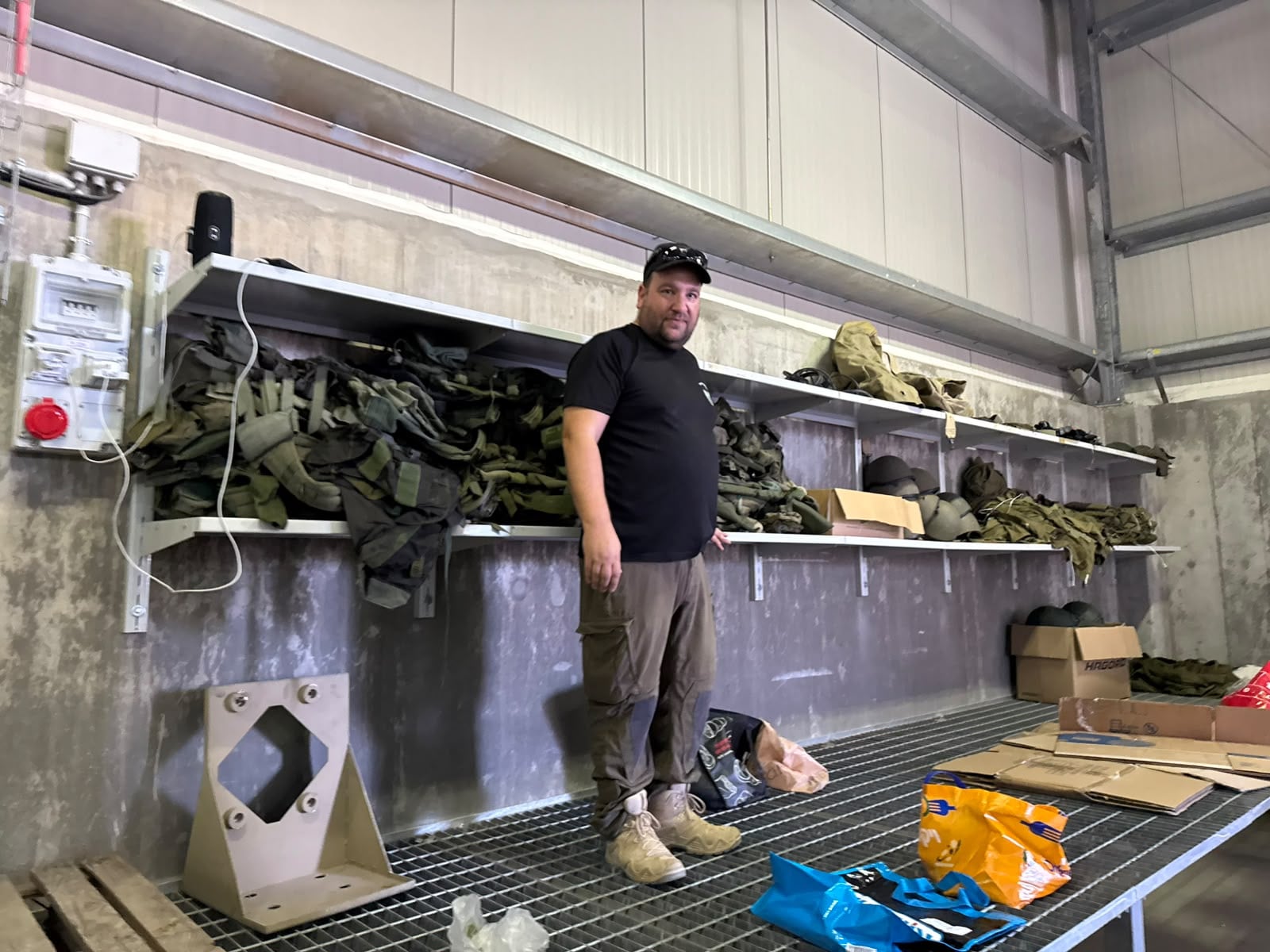
This week I turned in my gun.
I’d pictured something more ceremonial. There was no speech and no music. Just a line of tired guys at the armory window, a soldier behind the counter counting magazines and bullets, and a clipboard waiting for my signature. I signed, he nodded, and the next guy stepped up. After 143 days, the whole thing took about ten minutes.
My shoulder felt strangely light on the walk back to the car. For five months that rifle went everywhere I went: the dining hall, the morning meeting, shul on Shabbat morning.
Then they told us we could go home, back to normal life. I drove out the gate, turned on the radio, and realized I wasn’t sure what normal was supposed to look like anymore.
My life ran on a schedule. I didn’t expect to miss being told what to do.
For five months, I never had to wonder what came next. Every day opened with a morning meeting and closed with a recap at night. Before we went to sleep, the next day’s tasks were already handed out. Three meals showed up on time, and I never once had to think about what was for dinner. The days we swapped with the other half of the unit were fixed, and the hour we had to be back on base was set in stone.
My weeks at home never fully belonged to home. I’m a logistics officer, and logistics doesn’t keep office hours. My phone buzzed during dinner, during bedtime, while I was trying to help get the house ready for Shabbat. A few times I kissed everyone goodbye and drove straight back to base.
I spent most of the chagim on base this year, and most Shabboses too. We made kiddush over plastic cups of grape juice, sang a little off key, and somewhere along the way the guys around that table stopped being strangers. We brought treats from home, kugel, fish and dips. Each their own style and taste but together, they were a festive meal. My commander taught us how to cure salmon, the other Rasap is French and he gave us a lesson on cheese.
Meanwhile, life at home kept moving without me. Friends planned vacations. Someone bought a house. Someone got engaged and started planning a wedding. I usually heard about it late, secondhand, or not at all. I missed five months of small talk after davening and updates in the neighborhood WhatsApp groups, the ordinary news that makes a place feel like yours.
I was far from the only one paying a price. Every guy in my unit left something behind when he showed up. Three of them have stayed with me.
Shmuel became a father one week before we got called up. One week. He could have asked for a deferral, and nobody would have said a word. Instead he walked into the commander’s office and told him he was coming.
Between shifts he’d pull out his phone and show anyone who’d look the newest photos. He watched his baby grow in pieces, a week at a time. His wife handled the rest by herself: the 3 a.m. feedings with nobody to hand the baby to, the checkups and the vaccinations, the fevers and the nights that never seemed to end. Five months of a newborn, with one parent at home and the other guarding the border.
Avi lost his job a few weeks before the call-up, when his company shut down. He was deep into interviews, the kind that turn into offers. By law, he didn’t have to tell a single employer he was heading to miluim. The law couldn’t fix the timing, though. You can’t start a new job from a base near Gaza. So he waited, and his family lived off savings.
Now Avi comes home and starts over. New applications, new interviews, weeks of searching, maybe months. The rent and the bills kept coming the whole time he served.
Lior builds things. He runs construction projects, and in his world, time is money and reputation. Every week he spent in uniform, his sites moved slower. Clients waited. Some of them stopped waiting.
New work in construction comes from phone calls, site visits, handshakes and follow-ups. You can’t drum up business from a guard post. Lior spent five months protecting other people’s homes while his own pipeline dried up.
Missed moments multiply. They work like compound interest, only the balance runs the wrong way.
Think about the list. Parent-teacher meetings. School events. Sports games. Ceremonies. Birthdays. Friday night dinners. Each one on its own looks small: one empty seat in the bleachers, one meeting skipped, one birthday cake cut over a shaky video call.
Every one of those moments lands on my wife.
She sits through the parent-teacher meeting alone, then tries to fill me in over the phone while I’m half listening to a radio. She drives to one practice, then the other, then home to make dinner, then sits down for homework. She deals with whatever breaks in the house that week. And she’s the one who answers when the kids ask when Abba is coming home.
Each time she does one more thing alone, her load gets heavier. Each time I miss one more thing, the gap between us gets a little wider. The two feed each other. She carries more, so she has less left at the end of the day. I know less about what’s happening in our own home, so I have less to say when I call.
By month five, I came home to a household that had learned to run without me. That says everything about her strength, and it’s also the hardest thing a reservist walks back into.
Shmuel’s wife knows this feeling. So do Avi’s and Lior’s. So do tens of thousands of families across Israel right now.
The army has a very clear procedure for returning equipment. Every item has a form, and every form has a signature.
Nobody gives you a form for returning yourself.
So I’m writing my own, one line at a time. Dinner at the table with my phone in another room. A school pickup. Coffee with a friend whose news I missed. A full workday without checking the unit group. A long conversation with my family where I do more listening than explaining.
The rest of the country has a part to play too. Employers can hold jobs open and move returning reservists to the top of the pile. Clients can call back the contractor who vanished for five months and hand him the next project. Neighbors can drop off dinner for the wife who did it all alone. A thank you at the supermarket is lovely. A job offer, a contract or a hot meal can change a family’s whole month.
The gun took ten minutes to return.
I’m giving myself, and my family, as long as it takes.
To learn how you can help reservists reintegrate, or to share general feedback, please email me at aron@smilesforthekids.com.