A Land to Live Up To
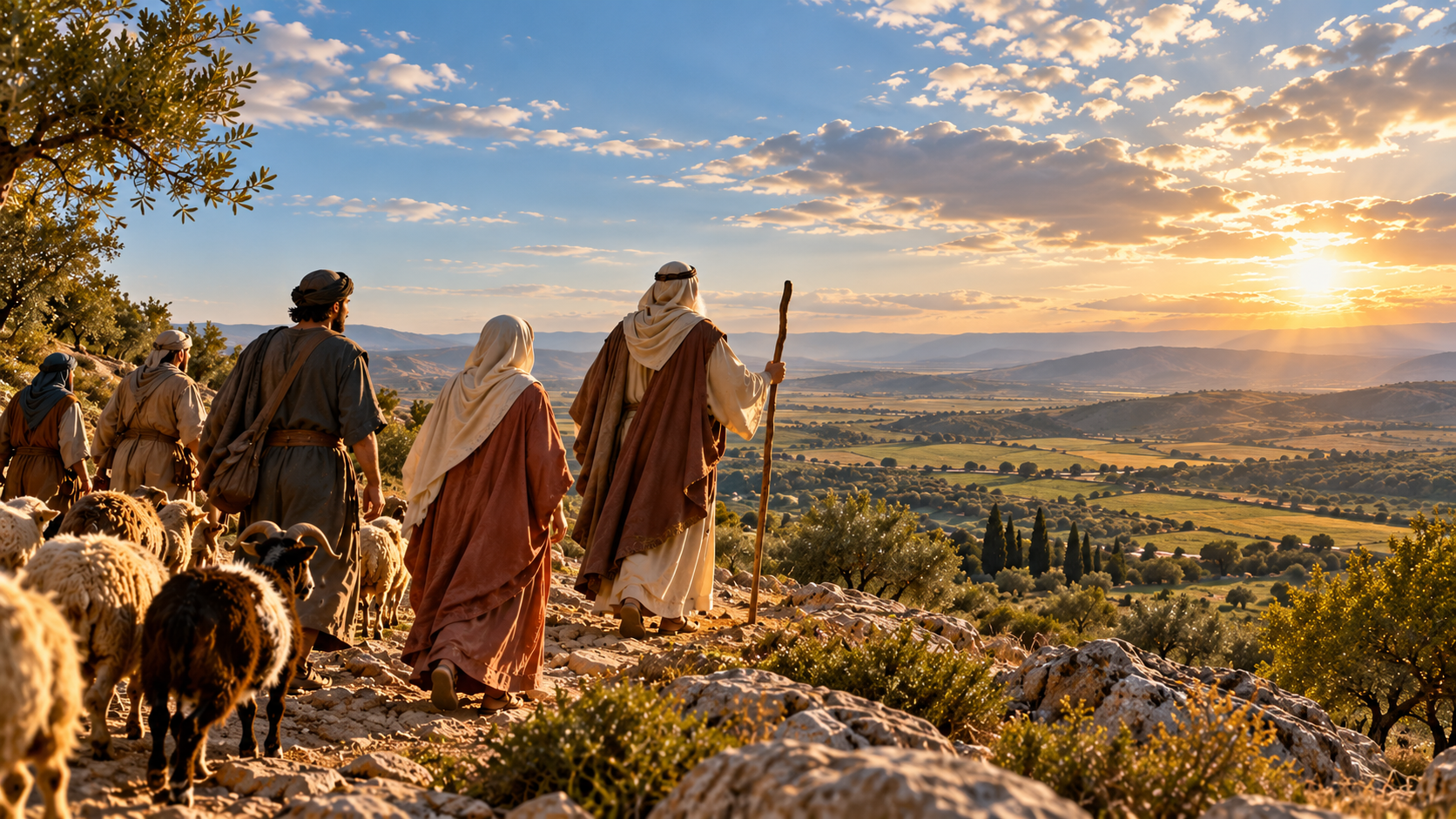
Stand on Mount Hermon in winter, surrounded by snow. Travel south through the green hills of the Galilee, past the Mediterranean coastline and the wooded hills of Jerusalem, towards the Judean Desert.
Further south lies the Dead Sea, the lowest place on land, and beyond it the Negev, where Makhtesh Ramon opens into a vast desert landscape.
Mountains, forests, fertile valleys and barren wilderness, all within a country that can be crossed in a matter of hours.
Yet when Hashem calls Avram, He mentions none of it. He does not even name the land.
וַיֹּאמֶר ה׳ אֶל־אַבְרָם לֶךְ־לְךָ מֵאַרְצְךָ וּמִמּוֹלַדְתְּךָ וּמִבֵּית אָבִיךָ אֶל־הָאָרֶץ אֲשֶׁר אַרְאֶךָּ
Hashem said to Avram: Go for yourself, from your land, from your birthplace and from your father’s house, to the land that I will show you.
Bereishit 12:1
Rashi explains Lech Lecha as for your benefit and for your good.
But what was so special about this land?
Its scenery alone cannot provide the answer. Nor was the Land of Israel necessarily the easiest place in which to live.
Centuries later, Moshe compares the land Avram’s descendants are about to enter with Egypt, where the Nile provided water for agriculture.
וְהָאָרֶץ אֲשֶׁר אַתֶּם עֹבְרִים שָׁמָּה לְרִשְׁתָּהּ אֶרֶץ הָרִים וּבְקָעֹת לִמְטַר הַשָּׁמַיִם תִּשְׁתֶּה־מָּיִם
But the land which you are crossing over to possess is a land of mountains and valleys, which drinks water from the rain of heaven.
Devarim 11:11
Egypt could draw upon the Nile. Israel would have to look towards the heavens.
A year of good rainfall could bring abundance. A year of drought could threaten the harvest. Moshe describes a land upon which Hashem’s eyes rest throughout the year, from its beginning to its end.
Yet this is the land praised for its seven species.
אֶרֶץ חִטָּה וּשְׂעֹרָה וְגֶפֶן וּתְאֵנָה וְרִמּוֹן אֶרֶץ־זֵית שֶׁמֶן וּדְבָשׁ
A land of wheat and barley, vines and figs and pomegranates; a land of olive oil and honey.
Devarim 8:8
The produce of its fields and vineyards finds its place in Jewish life: bread for Hamotzi, wine for Kiddush, and olive oil for Shabbat and Chanukah lights.
The Torah does not leave us with abundance alone.
Only a few verses later, Moshe warns the people that when they have eaten and are satisfied, built good houses and prospered, they must not forget Hashem.
Hardship can remind us of our dependence. Prosperity can make us forget it.
The rain itself comes with a condition. In the passage familiar from the second paragraph of the Shema, Moshe promises rain in its season when the people listen to the commandments.
In the Land of Israel, the Torah binds the fruits of the earth not only to the laws of nature, but to the conduct of those who live upon it.
This brings us back to Avram.
Lech Lecha was not simply a journey from one country to another. It was a call towards a land that would ask something of those who lived in it.
A land to go to.
And a land to live up to.
שַׁבָּת שָׁלוֹם
שמואל