‘A light gray curse?’
You have been called upon by your country and circumstances to serve in what has become Israel’s longest, and perhaps its most difficult war. Mission accomplished.
While you share in the celebrations that focus on the end of the fighting and the returning hostages, you will also be focused on your ultimate return to normality. But be prepared––coming back can be an ordeal.
As you recover from the disruption of your lives, education, careers––and the inevitable psychological effects of battle, you may feel a letdown, disoriented, alienated, angry. Many of you may feel uneasy about how you may be perceived after this war.
The Israel that existed on October 6, 2023 is no longer the same country. Like my own country, Israel remains dangerously divided. The world has also changed––it is less sympathetic to Israel, less welcoming to Israelis. And because of your experience during these past 24 months, you too have changed.
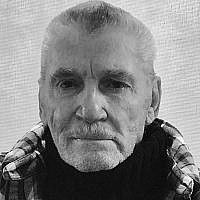
Many years ago, I was there myself.
I was commissioned in the infantry in 1962. Motivated by President John F. Kennedy’s words, “Ask not what your country can do for you, but what you can do for your country,” I became a paratrooper and joined Special Forces.
When I deployed to Vietnam in 1966, The Ballad of the Green Beret was a number one song. We were heroes. By the time I returned, we had become villains. Many Americans came to view the war as a mistake. Some opponents of the war saw it as an evil enterprise that demanded a reckoning. Some of these same critics now accuse Israel of genocide.
The America I came home to after my first tour was not the same country I left a year before. I felt isolated, resentful, on edge, and leaped at the chance to return to Vietnam only months after coming home.
By my third tour, I became convinced that without changing our strategy we were going to lose the war. Our control of the air, superior firepower, and large-scale ground operations did not bring us victory. By the end of my fourth tour, I know we were done. So was I.
But the ordeal was not over. Vietnam veterans were reminders of an unpopular war. An older, wiser friend warned me that we were not doomed, but that that service in Vietnam would follow us like a light gray curse––a blot on our record. He was prophetic.
Vietnam veterans faced unique challenges. Returning from my first tour, I was advised not to wear my uniform in public. Antiwar professors reportedly gave returning veterans poorer grades. To assuage antiwar sentiments, a number of universities had suspended their Reserve Officer Training Corps programs as incompatible with an academic environment.
Recognizing Post Traumatic Stress Syndrome as a new mental health disorder helped some troubled soldiers, but the news media and Hollywood movies promoted the misconception that Vietnam veterans were psychologically damaged––ticking time bombs that could at any moment explode into a homicidal rage.
For years after the war, those who served in Vietnam experienced higher unemployment and earned less than non-veterans. Vietnam veterans––especially those who saw combat––suffered a higher mortality rate. Most of these deaths resulted from accidents, suicide, and drugs. The suicide rate among serving soldiers and America’s veterans continues to be a major problem.
Changing American attitudes toward the military affected national elections. Seven US presidents were veterans of World War II. No US president has served in Vietnam. Veteran representation in Congress dramatically declined.
For a fleeting moment, the 9/11 terrorist attacks restored national unity. Defending one’s country was again appreciated, albeit minimally. Active duty soldiers were allowed to board airlines before other passengers. People routinely now say, “Thank you for your service.” It is pro forma, seldom sincere.
I hope that Israel’s returning veterans have an easier transition. You are not returning from a distant war but have had more opportunities spend time at home throughout the conflict. Roughly one percent of the American population served in Vietnam. Your war has required a larger national effort, further reducing isolation. And Israel’s large population of veterans should raise the national level of empathy.
Problems, however, will remain. Israel’s Defense Ministry has reported that 20,000 Israeli soldiers have been wounded since the beginning of the war in Gaza––45% have physical injuries, 35% have PTSD or other mental ailments, 20% are suffering from both. These numbers pose a huge challenge for postwar care and counseling. Anticipate delays, long drives, exasperating bureaucracy.
Beyond the psychological problems that are officially diagnosed, a larger number of you will experience haunting memories, restlessness, anger of unknown origin. You may feel misunderstood, libeled, neglected. These distempers lie mainly within. As you cope with postwar challenges, don’t slouch into grievance. Stand tall. Stay strong. Stay together.
Being veterans of Israel’s bloodiest war in 50 years gives you a big voice in the future of your country. Use your power courageously, creatively, magnanimously to transform military achievement into permanent political gain. And don’t hesitate to enter the political system.
You have prevented the physical destruction of your country. You have decimated its most dangerous foes. Make it your next mission to help heal Israel’s domestic political wounds. From a position of strength, dare to engage with willing adversaries.
Frankly, the conduct of the war has not made it easy for Israel’s friends abroad, and I am not uncritical. Nor am I indifferent to the tragic suffering of the Palestinian people.
But whatever questions I may have about strategy, they do not diminish my deep bond with the men and women sent to carry out the terrible task of waging war. כֹּל הַכָּבוֹד