A New Year, Robert Redford, and ‘What do we do now?’
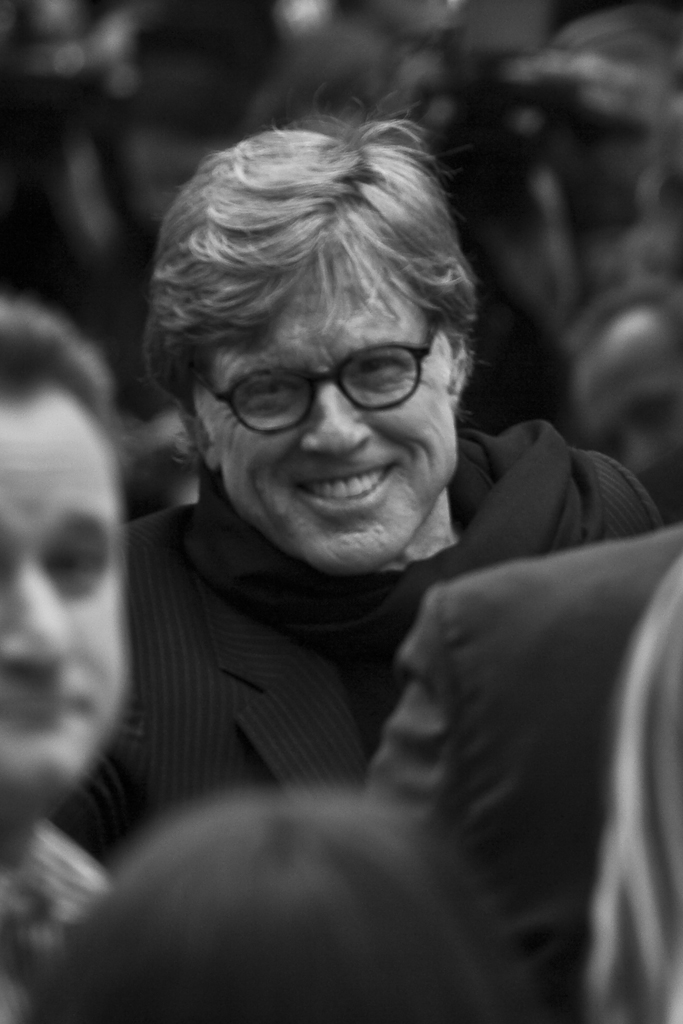
(Author’s Note: I wrote this for Rosh Hashanah two years ago, but it seems relevant given Robert Redford’s recent death. I hope he might agree with some of this learning as a call-to-action.)
In 1972, Robert Redford starred in “The Candidate.” In it, he plays an idealistic lawyer who fights for the little man and social justice. He is energetic, attractive, and compelling. He is convinced to run for the US Senate from California against an aging incumbent.
The movie chronicles his journey through a bitter campaign. His moral compass is tested in every way. We watch him set his ethics aside, abuse his relationships, and lose sight of what is essential. The justice he fought for appears to vanish in the name of expediency.
The film ends with him being told he is the election winner. With bewilderment and shock, he asks his campaign manager several times, amidst a crowded celebration, “What do we do now?”
Whatever Redford’s character did or didn’t do during the campaign, whatever changes he may or may not have made to his morals, the time to get to work in his new role has arrived. A new day has come, whether he is ready or not.
Rosh HaShanah is here. Some have spent the month of Elul engaging in daily introspection or taking an audit of the year that has passed. Others are just waking up to the fact that candle lighting is hours away. Wherever you may find yourself this year, one thing is sure: the call of the Shofar will mark that we are entering a new year.
Despite its pivotal role in our annual celebration cycle, Rosh Hashanah doesn’t feature prominently (in my judgment) in the Torah. Yes, it is mentioned, but in oblique terms. We are told about it in Leviticus Chapter 23, verses 23-24.
And the Lord spoke to Moses, saying, Speak to the children of Israel, saying: In the seventh month, on the first of the month, it shall be a Sabbath for you, a remembrance of [Israel through] the shofar blast a holy occasion.
Rav Hirsch shows that the word Teruah (“Blast”) can be found in multiple places in the Torah. In Bamidbar 10:5, a shofar call signals it is time to break camp. It is also a sound directed FROM man TO G-d. We are sending a signal for help and asking for an intervention from Hashem to alter our existing circumstances. Man is calling to Gd.
A second comes from Leviticus 25:9, which states that the Teruah blast of the Shofar signals a time for us to return to our assigned mission from Gd. This time, Torah says, a Shofar, Gd’s handiwork, calls to Man.
On Rosh Hashanah, the “Teruah” calls both to Gd and man. It marks Gd’s entry into our sphere of existence. He calls upon us to reengage with him, to pursue his mitzvot, and to surrender to him.
Hirsch compares this day to the start of the Jubilee Year as a time to reset the social order. In the Jubilee Year (every 50th year), slaves are set free, and property ownership is restored to its original owners. Hirsch says that Rosh Hashana is the moment to reset and recommit ourselves to a moral life focused on purity and our moral well-being. Reset is the keyword here.
Based on these ideas, the call of the Shofar on Rosh Hashanah gives us a moment to contemplate how we reach out to Gd. It also reminds us of Gd’s efforts to engage us. Finally, it’s a chance to reflect on our ability to reset the relationship.
Rabbi Eitan Bendavid of Raanana visited our house for a social event this week. He taught a beautiful idea worth contemplating. He shared that in the Rosh Hashanah Musaf service, one biblical figure is mentioned more than any other. To my surprise, he said it was Noah.
He explained that Noah was called “a good man in his time.” Noah wasn’t evil, but he wasn’t so great. He accomplished great things and also made giant mistakes. Like us, he wasn’t perfect. The prayer, designed by our teachers, wanted to remind us that we are all a work in progress and can choose to rise to the moment in every moment.
Last year is over. It is worth reflecting on what we did well, what we might improve, who we helped, and who we hurt. We can even reflect on the sins we committed and the moral failings we chose. But we are also getting a fresh start.
The shofar’s call reminds us that Gd is right here, right now, in this very moment, alongside us, calling to and listening for us. He chose us to be here and give us this opportunity.
With a fresh year ahead of us, what will we do now?