A Room Full of Helpers: Panama After the Earthquake · Part 2 of 5
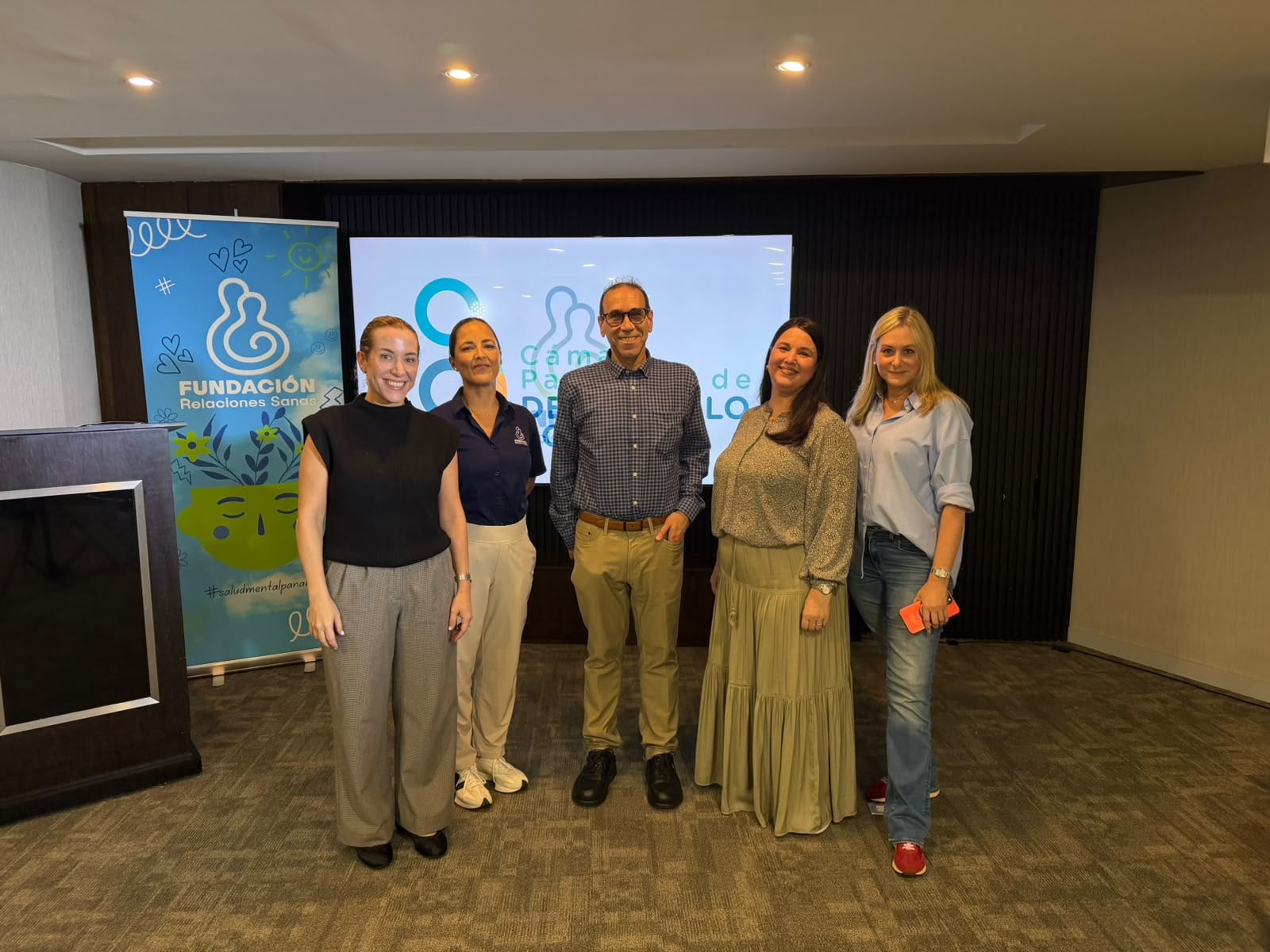
Five days after the earthquake, on October 14, I stood in front of hundreds of people gathered in person and online to talk about Psychological First Aid. There were psychologists, psychiatrists, doctors, nurses, social workers, teachers and students. They had come with different kinds of training and different responsibilities, but they were all facing the same immediate question: how do we help people through this?
I had been invited to speak. But as I looked at the people in front of me and listened to their questions, I was reminded how much of my job that evening was to listen.
Panama is where I was born and spent my early childhood. Coming back under these circumstances carried a personal weight. I had come to support colleagues responding to a disaster in a country that is part of my own story. At the same time, that connection did not give me the knowledge they had. They knew the communities, the families, the roads, the institutions and the difficulties of getting help to the people who needed it. I was arriving a few days into work they were already doing.
I wanted to be useful to them. That meant paying attention to what those first five days had actually been like.
What I noticed first was the tiredness. It was visible in faces in the room and on the screen, the kind of tiredness that comes from having too much to do and too little room to stop. Some had been going into the affected communities since the first night, traveling to Herrera, Los Santos, Coclé and Veraguas. They had sat with families outside their homes, returned late and prepared to leave again. Others had been answering calls, arranging volunteers and trying to work out where the needs were greatest.
Every task led to another. A family needed information. A volunteer needed guidance. Someone needed a follow-up call. There was always another reason to keep going.
And these professionals had lives of their own, lives the earthquake had also interrupted. Some had relatives in the affected provinces. Some had grown up in the towns they were now visiting to provide support. They could be worrying about a parent or grandparent while trying to give their full attention to somebody else’s frightened family.
I kept thinking about that double responsibility. We tend to speak about “the helpers” as though the word tells us everything we need to know about them. It tells us very little about what they are carrying when they arrive at work, or what waits for them when they go home.
A psychologist working in her own community may know the family sitting in front of her. The damaged house may be on a street she has walked for years. She may recognize a teacher, a neighbor or someone who knew her parents. There is strength in those relationships, but there is also a cost. She cannot simply put distance between herself and the disaster when her shift ends.
I wanted to keep that reality in view throughout our time together. Anything I offered had to be something people could use while tired, worried and working with limited time and resources.
Psychological First Aid gave us a place to begin. In plain language, it means offering humane, practical support to someone who has been through something deeply distressing. It includes noticing immediate needs, listening without pressure and helping people connect with the support available to them. It is something people from many backgrounds can learn, while recognizing the limits of their role.
The familiar framework is Look, Listen and Link. But I did not want those words to remain a neat phrase on a slide. What would they mean when a volunteer arrived in a village where families were still afraid to sleep indoors?
Looking means paying attention before deciding what to do. Is anyone in immediate danger? What practical needs are still unmet? Who seems overwhelmed, and who might be overlooked because they are sitting quietly? It also means noticing what people are already doing to help themselves and one another. A community has relationships, knowledge and resources before any visiting team arrives.
Listening means giving people some say over the encounter. We can introduce ourselves, explain why we are there and ask what would be useful. We can allow someone to answer in their own way, even if the answer is about a cracked wall or a missing document when we expected to hear about fear.
Linking means helping that conversation lead somewhere useful. Perhaps the person needs reliable information, contact with a relative, practical assistance or further professional support. Listening matters, and so does being honest about what we can help arrange and what we cannot promise.
One point deserved particular attention: nobody should have to tell their earthquake story to receive help.
I feel strongly about this because a helper’s wish to understand can easily become pressure on the person being helped. We may ask another question because we care, without noticing that the person has already said as much as they want to say. We may mistake a detailed account for a successful conversation.
Some people want to talk. Others do not. Some may want to speak about where they will sleep tonight rather than what happened five days ago. I wanted the people in that room to feel comfortable respecting that choice. We can remain attentive without filling every silence or asking for another painful detail.
That takes restraint, especially when you have traveled a long way and want to feel you have accomplished something. A person may be grateful for your presence and still have no wish to describe the moment their home began to shake. Their comfort with the encounter matters more than our need to leave with a story.
We also spoke about the difficulty of settling after an earthquake. People were trying to sleep while listening for another tremor. Parents were attempting to reassure children while worrying themselves. Ordinary sounds could bring back the fear of those first moments.
In that setting, even the language of reassurance needs care. I would not want to tell someone they were safe when I could not know whether their building had been assessed or whether another danger remained. We could acknowledge the uncertainty, ask what might make the present moment more manageable and help with the practical questions within our reach.
Children were very much part of the conversation. Their fear was showing up in daily family life: difficulty separating from parents, disturbed sleep, changes in behavior. Teachers were thinking about returning to school. Parents were trying to decide what to say and how much reassurance they could honestly give.
I found myself thinking about the burden on those parents. They were being asked to provide steadiness while their own lives were unsettled. Any conversation about supporting children had to include support for the adults caring for them. A parent needs someone to ask how they are managing, too. They may need practical help, clearer information or a chance to speak without having to protect everyone else from their worry.
The questions that followed the talk brought all of this into focus. People wanted to know how to prepare volunteers, how to adapt support for different ages and how to recognize when someone needed more help than they could offer. They were asking what could actually be done in the communities they served.
Then came the offers to help. Hundreds of participants offered to volunteer. Psychologists were willing to give time for remote follow-up. Students wanted to travel to the affected villages. Teachers were thinking ahead to reopening classrooms. Organizations began discussing how they might work together.
I was moved by that response. It was personal to see people in the country of my birth offering their time and skills so readily. I also felt a responsibility to take their willingness seriously. People were offering hours from already full lives. Families in the affected areas would be placing trust in them. Both deserved preparation and care.
I have provided Psychological First Aid after the 2015 Nepal earthquake and after Typhoon Haiyan in the Philippines in 2013. Those experiences have made me attentive to what happens after the initial willingness to help. Getting people to volunteer is only the beginning. The harder work is making it possible for them to contribute usefully and to continue without exhausting themselves.
Without coordination, several teams can arrive in one community while another waits. Families can find themselves answering the same questions repeatedly. A volunteer may identify a need and then discover there is no clear person to contact about it. Good intentions need a working structure around them.
The professionals in Panama were already asking about that structure. How would volunteers be prepared? Who would decide where teams went? How would concerns be followed up? What should happen when a person needed care beyond the support available during a visit?
I appreciated those questions because they showed attention to responsibility. Offering help creates expectations. If we say we will call back, someone may wait for that call. If we identify a serious concern, we need a clear next step. If a team leaves a community, the people there should know what, if anything, comes next.
The same care has to extend to the volunteers and professionals themselves. Someone needs to notice how long people have been working and whether they can step away. Teams need opportunities to review practical difficulties, ask for guidance and say when the workload is becoming too much. Support should be available without requiring anyone to recount distressing experiences to a group.
That can be hard for people who feel needed. There is a particular discomfort in resting when you know another family is waiting. But a response built around people repeatedly exceeding their limits will struggle to last. I wanted us to think about what would make it possible for these colleagues to keep doing good work weeks and months later.
Five days after a disaster, there is urgency everywhere. It makes sense to focus on the next visit, the next call, the next night. Still, I kept wondering about the fifth month. Who would be available then? Would the relationships being formed now help families reach support later? Would the people leading this work have enough backing to continue?
Those questions stayed with me after the session. So did my respect for the people asking them. They understood that their communities would need more than a burst of attention. They were beginning to consider how to sustain an effort whose full demands were still becoming clear.
I came to Panama to share what I could. I left that gathering thinking about the responsibility of those of us who can come and go. Local colleagues will continue answering the calls. They will recognize the families at the supermarket, at school and in the street. Any contribution from outside needs to help them carry that work in ways they find useful.
For me, that begins with listening to what they ask for and respecting their judgment about their own communities. It means being realistic about what I can offer and following through when I make a commitment. The warmth of an evening together matters, but so does what happens afterward.
In the next post, I will write about the differences between the affected communities and why those differences matter. For now, I keep returning to the people who gathered on October 14. Many were tired. Many were worried. They still made time to learn, ask difficult questions and offer to help. I want the support around them to be as serious and lasting as the commitment they brought into that room.