
An Ethiopian-only town: Segregation or cultural preservation?
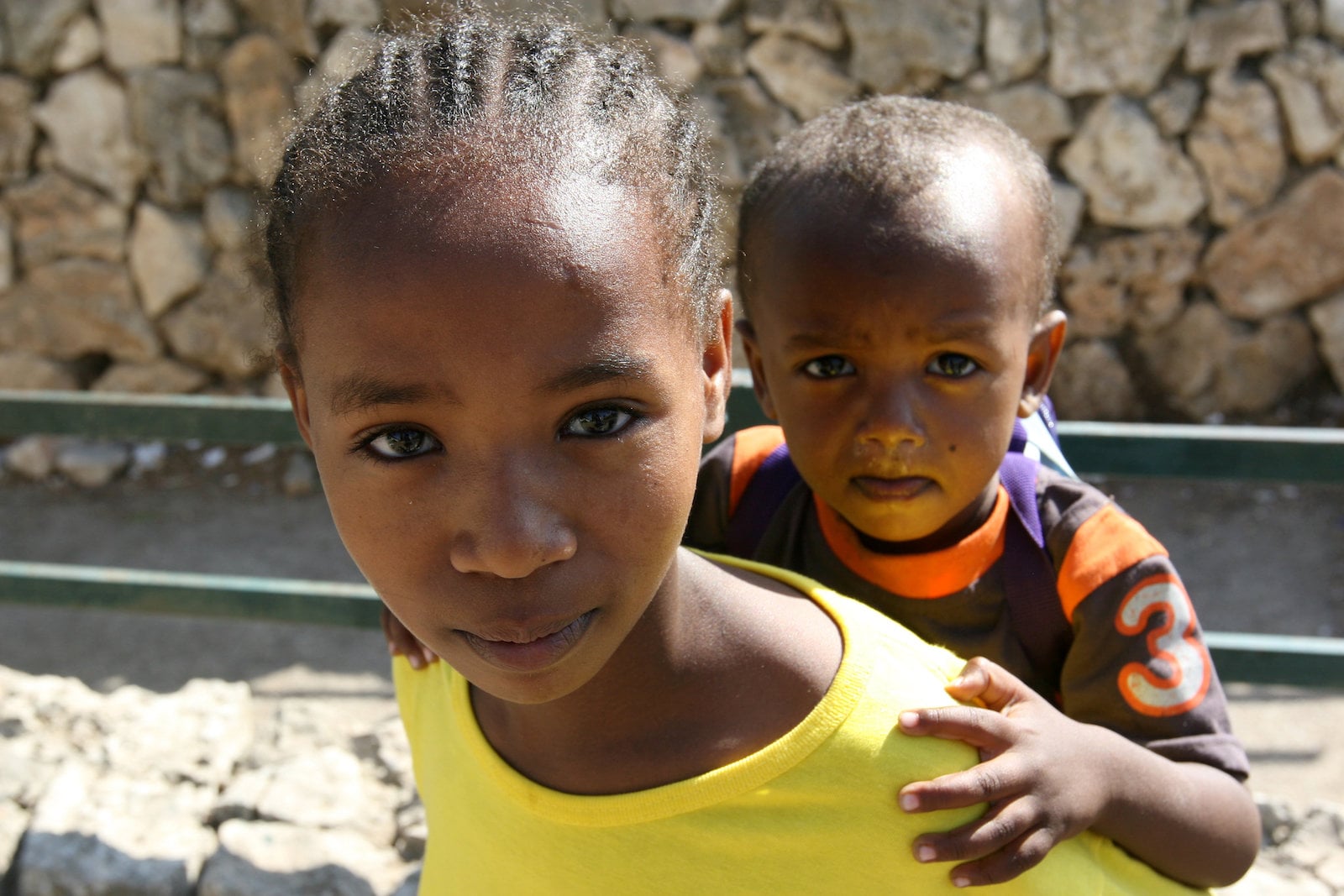
While we are preoccupied with whether or not there will be a government, or how Israel’s image has been damaged in the wake of the recent operation, there are internal processes in Israeli society that are not receiving adequate attention and discussion.
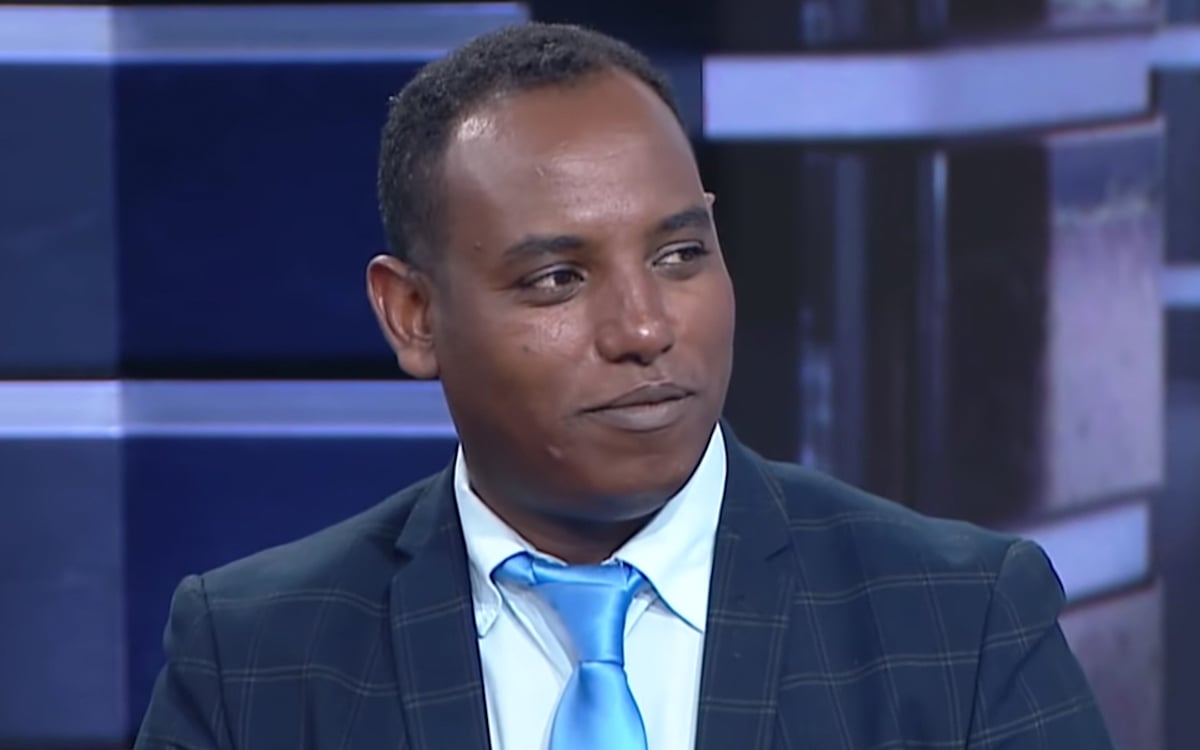
How many of us have heard of the proposal by the Deputy Minister of Public Security, Gadi Yevarkan, to build a settlement for members of the Ethiopian immigrant community only? Yevarkan dropped a bombshell when he announced that as part of a series of moves to promote Ethiopians in Israel he was examining the possibility of establishing a town for the Ethiopian immigrant community in the center of the country. If the proposal passes, it will be the first settlement in Israel to be closed to people who are not members of the Ethiopian immigrant community.
However, the initiative has not matured into a detailed plan. Only preliminary discussions have been held at the Ministry of Construction and Housing to advance the idea. This initiative raises many questions, including whether the state should encourage the establishment of the settlement and provide funding and land from public funds. Will the establishment of such a town really advance the Ethiopian immigrant community in Israeli society? And should there be a separation of residence on the basis of ethnicity?
Before being shocked by the idea, we must recognize that this separation exists “de facto” in the form of moshav communities that enforce criteria for entrance, kibbutzim, Druze villages, Bedouin and Arab communities. In addition, there are separate neighborhoods for different sectors of the population, ultra-Orthodox neighborhoods and secular neighborhoods, neighborhoods of Russian immigrants as well as neighborhoods of Ethiopian immigrants. So it could be argued that the intentional establishment of a settlement in the center of the country with a motivating economic force is not such a bad idea.
But it’s worth examining how Ethiopians came to be consolidated in ethnically homogenous communities, to begin with. The existing separation is largely a result of the “tracking” policy that guides members of certain communities to specific areas, and preferences of the communities themselves that stem from their socio-political reality. In terms of “tracking” policies, the absorption policy for Ethiopian immigrants used to stipulate that, following a 24-month period in Jewish Agency absorption centers, they were to be referred to public housing in Israel’s periphery. This policy was changed in the 1990s, when the new policy stipulated that immigrants who arrived after 1991 would be entitled to grants for the purchase of initial housing in designated locations in the country’s center (between Hadera and Gedera), according to priority areas for the government.
The purpose of the absorption program was to expand employment and education opportunities, but the end result of this policy was that Ethiopian immigrants who purchased apartments using the grants were concentrated in distressed neighborhoods in the center of the country. For example, the Kiryat Moshe neighborhood in the city of Rehovot is home to about 3.1 thousand people of Ethiopian descent, more than 56% of the neighborhood’s total residents. An economic policy intervention that came to promote and help the absorption of immigrants actually blocked economic, social, employment and educational opportunities and effectively violated the freedom of immigrants to choose where they wanted to start their lives in Israel.
The establishment of a new town for members of the community aims to correct the absorption policy by allowing the immigrants to settle in the center of the country, thus redistributing the land to give an opportunity to break the cycle of poverty. The settlement also envisions preserving the unique culture of the Ethiopian immigrant community that is threatened with disappearance. A heritage center would be built to give expression to culture, history and customs.
These are seemingly lofty goals, however, we cannot ignore the fact that, by encouraging segregation, the idea is actually a step backward. Before establishing a separate locality, the daily problems the community faces must be addressed: budgets must be invested in existing cities and neighborhoods, solutions are needed for over-policing, school dropouts and the low number of young people who pursue higher education, with disproportionately low numbers of Ethiopian students in universities and colleges.
The establishment of a town is merely a band-aid for the deep problems the community has been facing for years. A community that sees itself as part of Israeli society does not seek to be “imprisoned” in a separate locality. Moreover, if the Ethiopian immigrant community is like any other subgroup in Israel, they don’t need a separate locality. The establishment of such a settlement is the creation of a new ghetto that does not promote and would harm the community.