
A Shared Calling: Tu B’Av Reflections
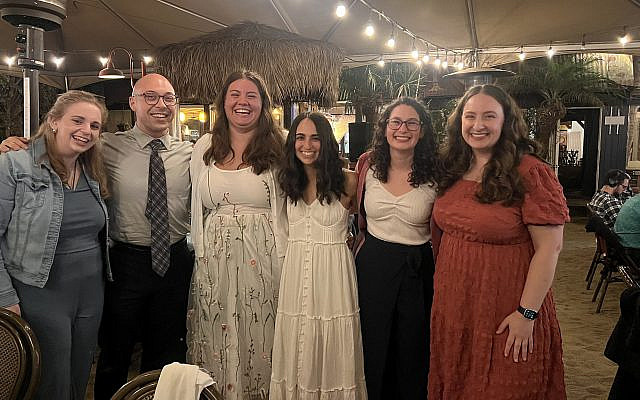
We met on the first Shabbat of our Year in Israel—jetlagged, curious, and surrounded by strangers who would soon become classmates, future colleagues, close friends, and life partners. From the outset, our time together was shaped by questions: not just about Jewish texts and traditions, but about our values, strengths and growing-edges, and our visions for our rabbinates. We didn’t know then that those early conversations would form the foundation of a shared life.
In the years since, our relationship and our rabbinates have grown together—through hard conversations and joyful celebrations, busy afternoons of High Holy Day preparation, and quiet moments before Shabbat.
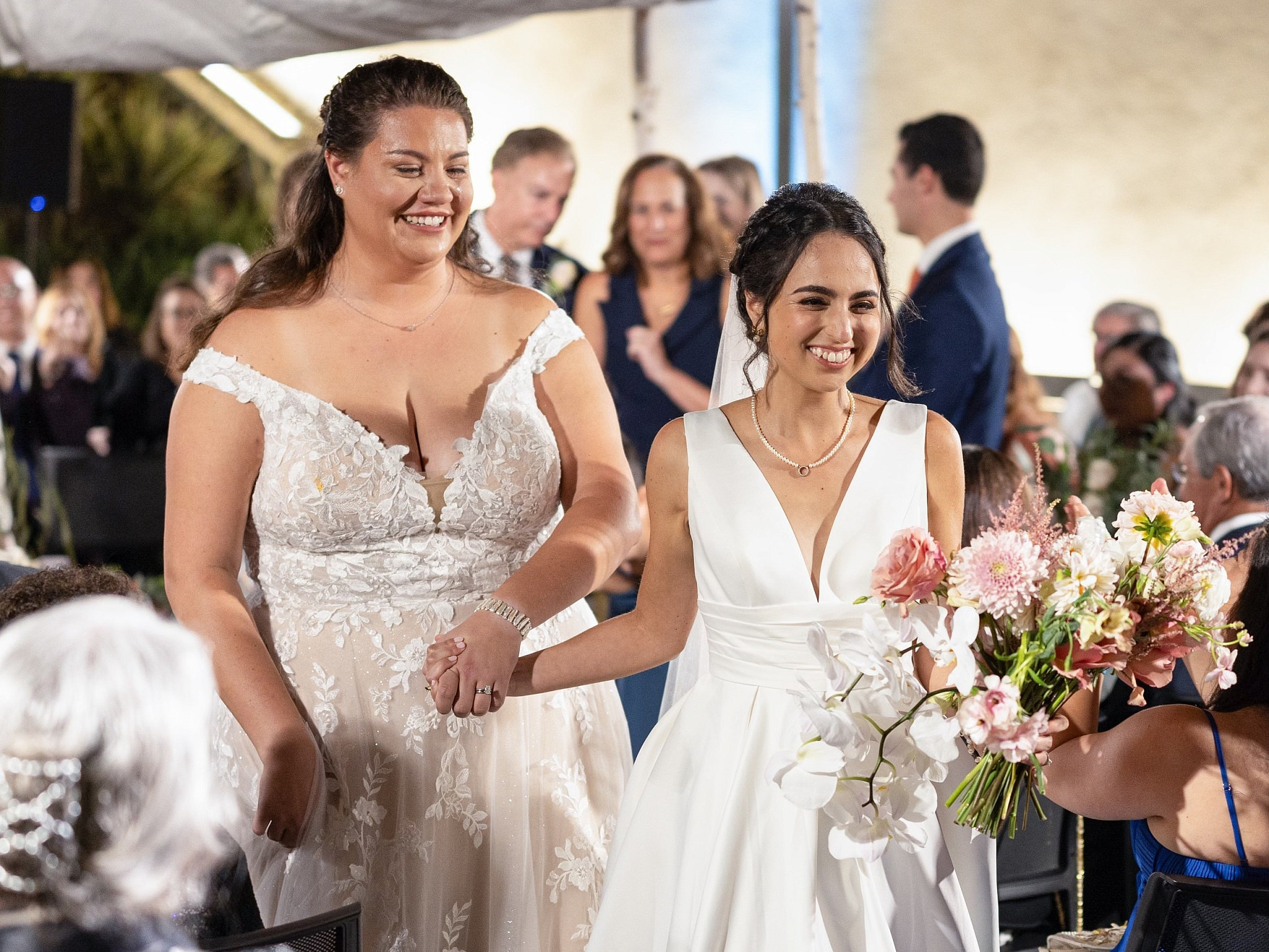
This past October, we were married in Los Angeles, surrounded by many of those same friends who’ve been with us since that first year. They led niggunim at our egalitarian tisch/kabbalat panim, signed our ketubah, and stood beside us under the chuppah. Hebrew Union College has given us many tools of the trade—text study, pastoral care, leadership training—but it has also offered us models of collaboration and networks of support that have sustained us these last four years.
Learning to become rabbis as a couple is a privilege. We spend each and every day with a partner who ‘gets it’. Who knows that we both, in our own way, are responding to a divine call. And one who, as a result of their own parallel path, has true empathy for all that our responses to this call entail. Learning to become rabbis as a couple also means navigating two versions of the same journey, recognizing that the same class session might lead each of us to different conclusions, that the same t’filot might leave one of us spiritually filled and the other still yearning. Navigating school together is a constant making and re-making space for each other’s voices and visions. We’ve done that in many forms: as chevruta partners, curriculum collaborators, and co-t’filah leaders both on and off-campus. And we are filled with gratitude that we are so fulfilled by being each other’s partner in every sense of the word.
Earlier this summer, we marked ten years since Obergefell v. Hodges, the landmark Supreme Court decision that affirmed marriage equality. It was a milestone worth celebrating—but also a bittersweet one, arriving against a backdrop of increasing rollbacks to LGBTQ+ rights across the United States. The anniversary reminds us that progress is never guaranteed, and that many in our community still face real barriers to safety, dignity, and belonging. That knowledge makes us especially grateful to be part of an institution and Movement that doesn’t just accept us but affirms and celebrates our leadership.
Four years since that first Shabbat in Israel, and we continue to ask ourselves the same core questions that have guided us from the beginning: What kind of communities do we want to build? What kind of Torah do we want to share? And how can we keep doing that work in true partnership—with one another, and with the people we’re called to serve?
—
This piece was co-authored by Hannah Karpel-Pomerantz, rabbinical student at Hebrew Union College.