
Where Objectivity Meets Reality
Abbas addresses the UN: Much bleating, little wool
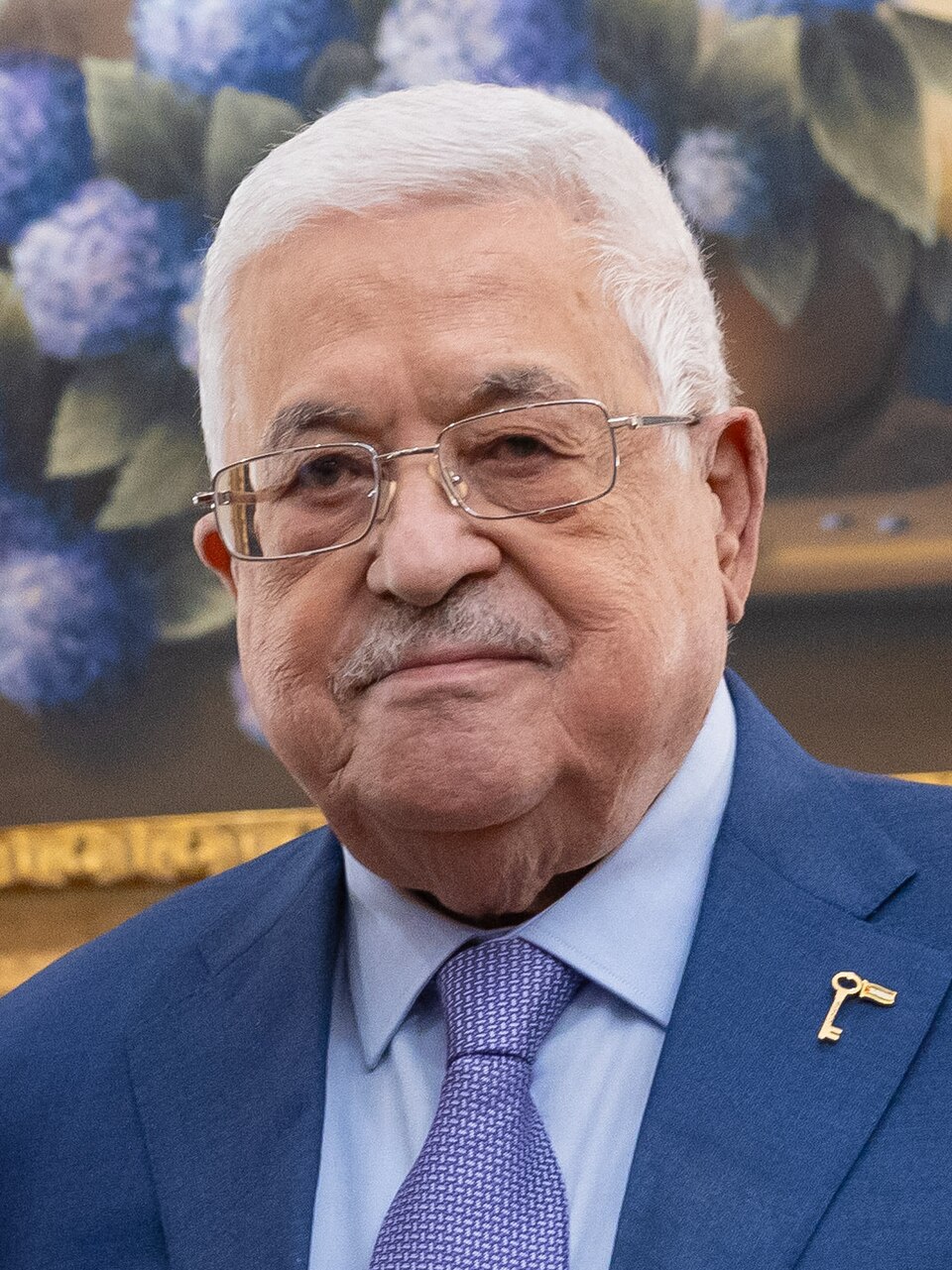
Mahmoud Abbas, 20/10/2023. Cairo, Egypt. (Wiki Commons, CCA 2.0)
On September 25, Palestinian Authority (PA) President Mahmoud Abbas addressed the United Nations General Assembly via a pre-recorded video message. The speech was filled with familiar elements: accusations against Israel, calls for international pressure, references to Palestinian suffering, and the repetition of old demands. But beyond the rhetoric lies a leader who long ago lost his legitimacy, extending a hand while simultaneously upholding a system of corruption and financial rewards for violence.
The core of the speech
Abbas painted Israel as the root of all evil in the Middle East, insisting that Palestinians have been waiting decades for justice. He spoke of occupation, settlements, “apartheid,” and the violence Palestinians endure. According to Abbas, the patience of his people has run out.
We have tried every path to peace, but Israel continues to deny us our rights. We will not accept permanent oppression,
he declared.
He linked that message to a demand for full UN membership for Palestine and called for an international peace conference to “save” the two-state solution.
What was notably absent were concrete gestures toward Israel. Abbas was vague on negotiations and offered no compromises. Instead, he placed full responsibility on Jerusalem and the international community.
Old mantras, repeated
In historical perspective, nothing new was said. Abbas fell back on the same script he has been reciting for years:
-
Israel is blamed for every ill, with no acknowledgment of Palestinian responsibility.
-
The international community is called upon to apply “pressure.”
-
Abbas presents himself as the moderate statesman seeking peace, eternally thwarted by Israel.
But this narrative is hollow. Even as Abbas preaches peace in New York, the PA in Ramallah continues to pay the infamous “Pay for Slay” stipends to convicted terrorists and their families. Hamas members, too, benefit from these payments, showing that Abbas’ opposition to Hamas is not rooted in humanitarian or anti-terrorist principles. It is purely political: Hamas remains his most powerful rival in the West Bank.
The political reality
Abbas’ rhetoric contrasts sharply with the reality on the ground. The PA is deeply corrupt, run as a patronage network, and has long ceased to be democratic. The last Palestinian elections took place in 2006. At 90 years old, Abbas has long overstayed his official mandate, which expired in 2009.
In Gaza, he has no authority whatsoever. Since Hamas violently expelled Fatah loyalists in 2007, the PA has been irrelevant there. Abbas can present himself at the UN as the sole voice of the Palestinian people, but in practice, he controls only parts of the West Bank—and even there, his popularity has eroded.
An outstretched hand, or just an empty shell?
Some international outlets still heard in Abbas’ words a faint reaffirmation of the two-state solution. But that is wishful thinking. His words are empty as long as he:
-
Refuses to implement serious reforms within the PA.
-
Continues to finance terror through the prisoner payment system.
-
Shuns democratic elections.
-
Prioritizes internal rivalry with Hamas over the welfare of ordinary Palestinians.
As long as these conditions remain, any supposed hand extended toward Israel is meaningless. Israeli leaders are well aware of this, which is why Abbas’ yearly lament at the UN carries no real diplomatic weight.
Analysis: more of the same
In essence, Abbas’ message was directed not at his people, but at an international audience he seeks to mobilize against Israel. For Palestinians themselves, he offered little: no plan for economic improvement, no promise of reform, no democratic horizon.
The result was predictable and insignificant. To anyone familiar with decades of Palestinian rhetoric, it merely confirmed that Abbas is trapped in a cycle of accusation without solution.
Facts and figures:
-
Abbas’ age: 90
-
Last Palestinian parliamentary elections: 2006
-
Last presidential election: 2005 (Abbas’ mandate officially expired in 2009)
-
Palestinians under PA control (West Bank): approx. 3 million
-
Palestinians under Hamas (Gaza): approx. 2.1 million
-
PA budget (2024): approx. $6 billion
-
Estimated share spent on salaries for terrorists/prisoners: 7–8%
Conclusion
Mahmoud Abbas may raise his voice in New York and speak of peace and justice, but the reality is that he himself remains the greatest obstacle to genuine progress. A leader without a mandate, unwilling to reform, still paying terrorists, and obsessed with clinging to power cannot credibly champion a two-state solution.
His UN address was no breakthrough, no opening, no sign of change. It was the tired refrain of a man who no longer embodies the future of his people, but only the stagnant present of his own kleptocracy.
Related Topics
Related Posts