
After flydubai, enough with the hard lessons
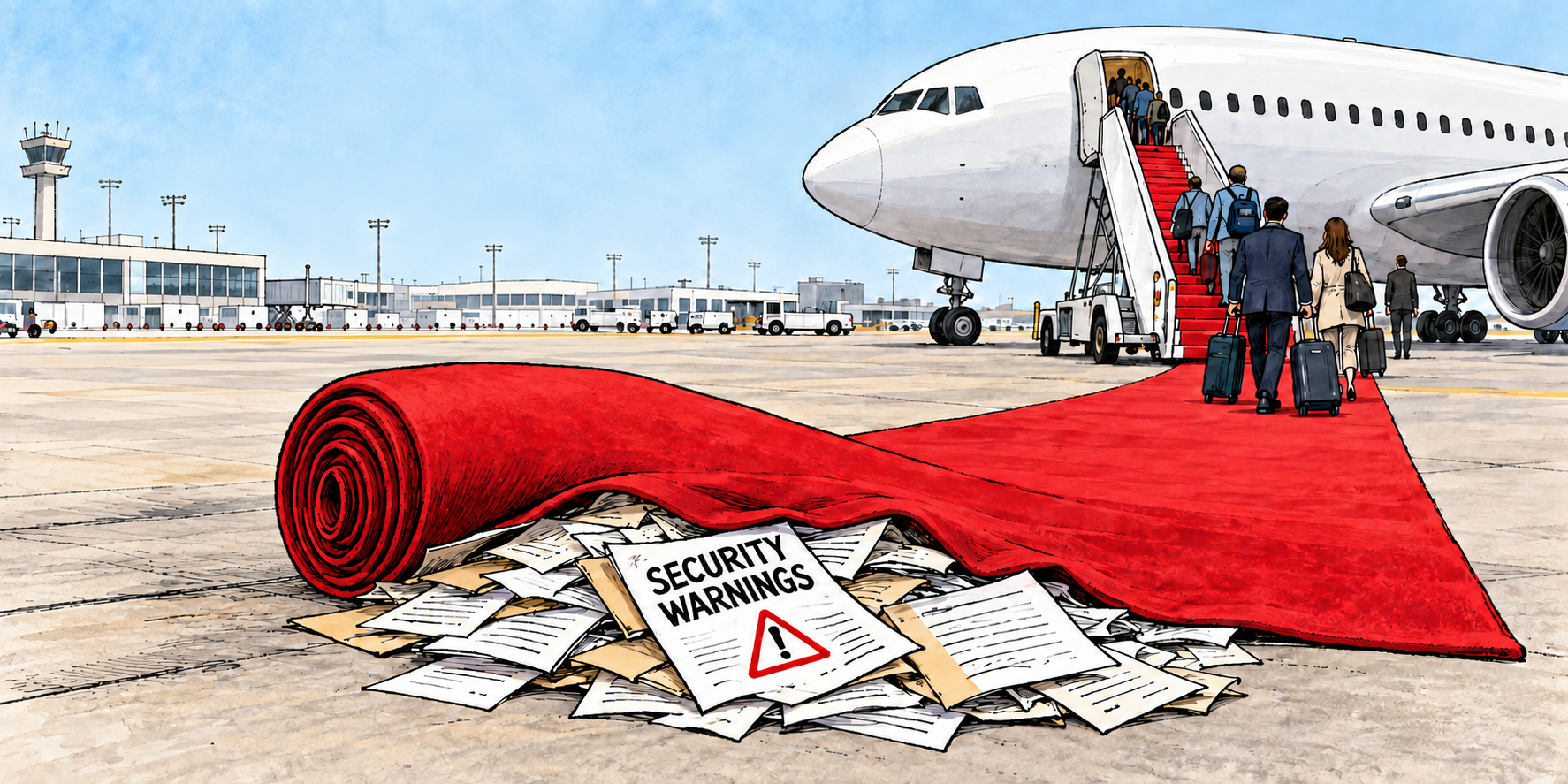
We have barely had time to absorb the miracle of the averted flydubai catastrophe before the political waltz of avoiding responsibility and reassigning blame begins. At this point, it has almost become a traditional Israeli dance, and I am tired of knowing the steps. The postmortem is necessary, of course: who knew what, when did they know it, and who failed to act? But beneath those questions is something that keeps bothering me: are we so desperate for new peace to feel normal that we are neglecting the work required to make it safe?
Part of the appeal of normalization is the possibility of finally letting our guard down a little, of booking a flight through Dubai to Thailand and leaving everyday problems behind without having to think about who may want to kill us. I understand how badly we want that freedom. But our eagerness to enjoy the benefits of peace cannot excuse skipping checks or ignoring warnings.
What makes me angry is the emerging reporting that there had already been warnings about gaps in aviation security. According to The Times of Israel, a classified 2024 state comptroller report found that the Transportation Ministry was not meeting its obligations regarding foreign flights, and the National Security Council raised further concerns in March 2025. The ministry disputes that account, and the investigation needs to establish what happened. But if these vulnerabilities were known and left unresolved, then we need to ask why warnings did not lead to action before passengers’ lives depended on it.
Sometimes it feels easier, with less bureaucracy, to fly through Dubai, in a country with which we established diplomatic relations only a few years ago, than to navigate the convoluted mess of receiving a five-ounce package through Israel Post. There seems to be a strange acceptance of ridiculous complications in everyday life, yet such eagerness to put new diplomatic relationships into practice. We plant the seeds of peace and immediately want to douse them with fertilizer, expecting full blooms. But roots need tending and time, and that includes doing our own due diligence and acting on what it reveals. Why must the struggle be a catastrophe when it could simply be the intentional work of getting things right?
What makes this difficult to understand is how much vigilance so many of us carry into our own lives. Living in the diaspora has made situational awareness second nature for me. I pay attention to people, surroundings, tone and small inconsistencies almost automatically; I no longer consciously decide to do it. And I know plenty of Jews and Israelis will recognize something of themselves in that. Experience has taught us to notice when something feels off and to question it, even when everyone around us seems comfortable, even when it slows everything down.
That same awareness is part of what makes me so proud of the ordinary people aboard that flight: the plumber, the dentist, the insurance professional and the mother who, while taking her little girl to the bathroom, heard unusual sounds from the cockpit and insisted that someone pay attention. They had the sense to speak up and the courage to act when it mattered most, even when acting carried risk. Watching their accounts, I feel immense pride in their courage alongside frustration over the reported failures, because their resourcefulness helped save lives while questions remain about precautions that should already have been in place.
I am tired of hard lessons, especially when there were already warnings that might have spared us another one. I want Israelis to enjoy the freedom that peace promises, and I want our institutions to do the work that makes that freedom possible: carry out the checks, address the gaps and act on warnings before lives depend on an ordinary person noticing something wrong. Our longing for peace should make us more determined to protect what we are building.
We are a nation of lions, but we need to do a better job of guarding our den.