
I believe in independent, clear, and courageous journalism – especially where injustice is being silenced
After the Iran Strike, Israel Quietly Opens the Door to Peace
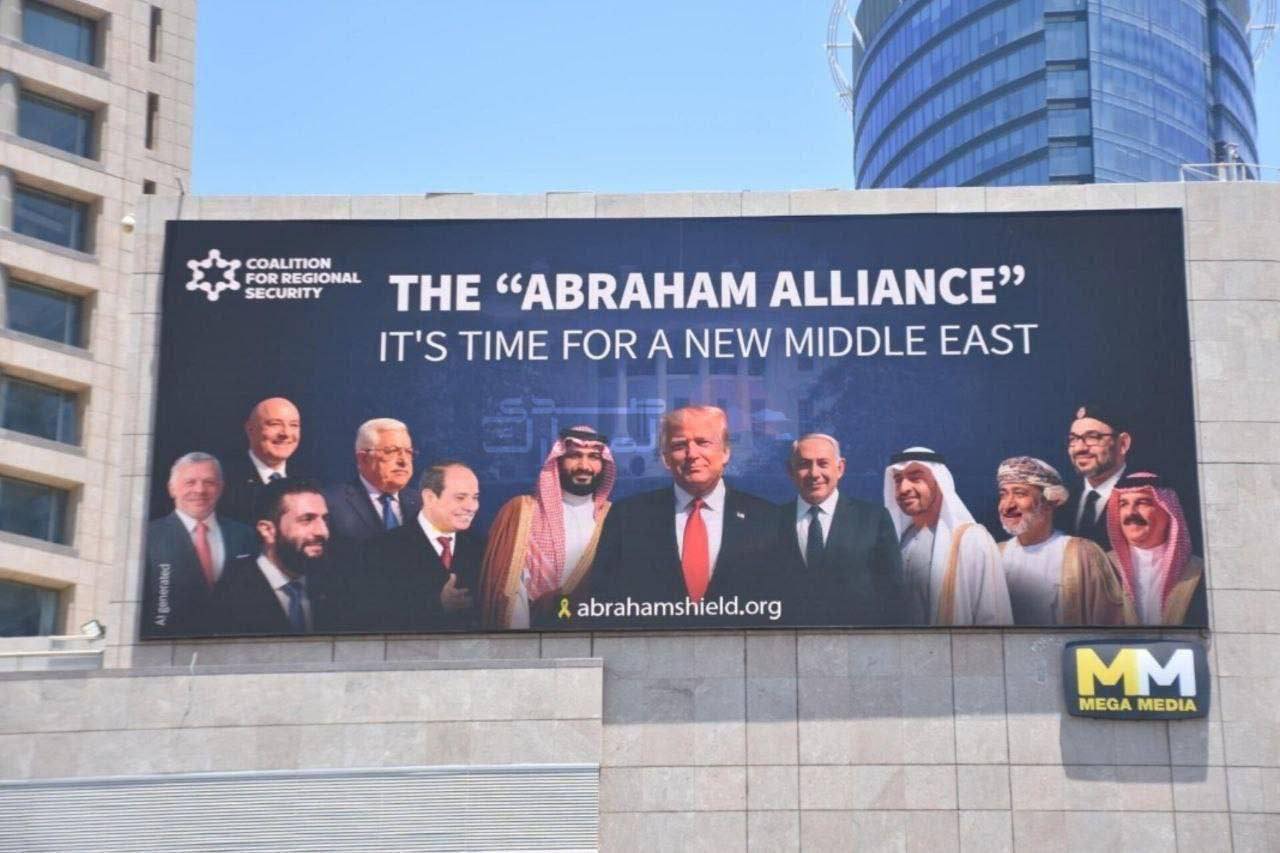
Tel-Aviv (via Twitter)
Just days ago, the Middle East seemed on the brink of full-scale war. Iranian-backed militias were escalating their attacks. Israeli cities came under rocket fire. Hezbollah mobilized forces near the northern border. Yet — in a twist few predicted — the rhetoric has shifted from total war to something resembling diplomacy.
For the first time in recent memory, Israeli officials have hinted at quiet contacts with Syria and Lebanon, two nations still formally at war with the Jewish state. Reports suggest that US-mediated discussions are underway behind the scenes. If confirmed, this would mark a significant strategic shift.
From retaliation to recalibration
The immediate trigger appears to have been Israel’s high-precision strike on Iranian military assets, reportedly executed with minimal civilian harm. The Iranian response, while threatening, has so far remained largely symbolic — potentially opening a diplomatic window.
Now, as Jerusalem signals a willingness to engage in dialogue, Prime Minister Benjamin Netanyahu is preparing for a high-stakes visit to Washington. On Monday, he is expected to meet with President Donald Trump — a meeting that could carry profound implications for Israel’s foreign policy direction and the broader regional balance.
While public attention remains focused on military developments, a more subtle transformation is underway: a shift in Israel’s strategic messaging. Possibilities are now being discussed — not just threats.
Syria and Lebanon: fragile, fractured, and perhaps pragmatic
Neither Damascus nor Beirut is in a position to engage in another war. Lebanon is paralyzed by political dysfunction and economic collapse, its sovereignty heavily undermined by Hezbollah. Syria remains a fragmented state — controlled in part by Assad’s weakened regime, but heavily influenced by Russia, Iran, and numerous non-state actors.
In such a context, even unofficial diplomacy with Israel could be seen as a pragmatic step — especially
Washington’s quiet role
The United States is playing a key role, though it remains largely behind the scenes. After weeks of publicly backing Israel during the latest round of escalations, the Trump administration now seems interested in consolidating the outcome into a broader diplomatic opportunity.
Observers see echoes of the Abraham Accords strategy: reduce Iran’s regional leverage by isolating its proxies and offering alternative paths to security and stability. Syria and Lebanon are different from the UAE or Morocco, of course — they are deeply embedded in Iranian strategy. But pressure, fatigue, and the shifting regional map may be weakening even Tehran’s strongest outposts.
Netanyahu’s visit to Washington may also help align messaging between the two allies — and serve as a warning to adversaries that American support for Israel remains consistent, regardless of domestic political divisions.
What’s next?
There is no shortage of skepticism. Iran remains deeply entrenched in both Syria and Lebanon. Hezbollah has no interest in normalization. And Israel knows better than to rely on quick diplomatic fixes. Any progress will be slow, fragile, and likely subject to sabotage from multiple sides.
But the change in tone is real. What was once an exclusively military track now shows signs of political maneuvering. In the current regional climate, where chaos often dominates, this kind of strategic flexibility could set a precedent.
For countries like Ukraine, watching this from afar, the lessons are clear: deterrence can open space for diplomacy, but only if backed by strength and clarity. Israel’s ability to deliver a precise, controlled military response to aggression — and then pivot toward negotiation — stands in contrast to the impunity often enjoyed by authoritarian regimes.
If Syria and Lebanon do engage — even informally — it could serve as a reminder that even long-term hostility is not irreversible. And if they don’t, the current Israeli outreach may still help solidify Israel’s global position as a rational actor seeking stability rather than endless escalation.
The Iran strike may have been the tactical catalyst. But what comes next could shape a strategic realignment across the region. Peace is not guaranteed. But the fact that it’s even being discussed — involving countries like Syria and Lebanon — is a significant development in itself.
Israel is not abandoning deterrence. It is complementing it with diplomacy. And in today’s Middle East, that may prove to be the most effective weapon of all.
Related Topics
Related Posts