Aging and Change – It happens to us all
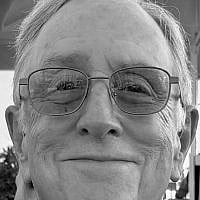
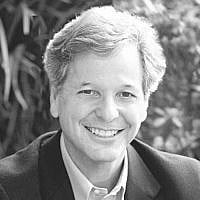
As I’ve aged I have had much more time to think, write, spend time with family and friends, and do whatever I wish to do whenever I wish to do it. As a consequence, I’ve developed a greater sense of realism about those changes occurring in my mind, body, heart, and spirit. I’m particularly aware of the many ways in which I’m stronger than I once was, as well as the ways in which I have lost strength. Physically, though I walk 3-4 miles most mornings, I have lost, to my consternation, a measure of physical stamina that I once had without thinking much about it. For example, when playing on the floor with my grandchildren, getting up to a standing position now requires that I strategize three or four moves and then consciously play them out before reaching a standing position. When I was a young father and I stood up suddenly, often with one of my then young boys in my arms, I took such strength for granted.
These days I have the most energy in the morning, and that vigor carries me comfortably into the mid-afternoon. It is in those early hours that my thinking is sharpest and my spirit is the most unencumbered. By evening, most every day, unless I ingest a strong cup of dark French roast coffee before an evening out, I’m utterly exhausted. It didn’t used to be this way. When I served as a congregational rabbi, I went day after day, from early morning to night-time propelled like an energizer bunny, never slowing down, shifting focus easily from one thing to another without skipping a beat, being everywhere all-at-once all-the-time.
I’m in fairly good shape for my age (my doctors tell me) so I can’t complain. Just as my “boomer” contemporaries and slightly older “silent generation” friends understand only too well, none of us is as young as we used to be. Part of me is saddened and frustrated in my recognition of that truth.
The worst part of getting older for me, and I suspect for most of us, is that so many of the people I’ve loved have become ill and/or died. I consequently appreciate the people I care most about far more deeply than ever before.
As I’ve thought about how I’ve lived my life to this stage, I’ve struggled to accept all the changes with equanimity and greater patience. I’ve sought also to learn from my limitations and weaknesses, and from the lived experiences of others older than myself.
I wrote in a blog a month ago, for example, about the great Jane Goodall and how successfully she maximized every opportunity and how with grace and high energy she drew meaning and joy from every experience. She was a great model in how to live one’s life fully and well.
One other thing that I appreciate more and more with the passing months and years – reading history, not only because life as it was lived in other eras is fascinating in its own right, but because history has much to teach us about the greatest figures of those by-gone times. In studying the past, we revisit the reoccurring themes that are part of the human condition regardless of time, place, and circumstance.
I’ve been watching Ken Burns’ “The American Revolution” on PBS, and as I learn more than I have ever known before about what Burns characterizes as the greatest historical event since the time of Jesus Christ, I’m amazed at the ease with which I am able to project myself back to those days, weeks, months, and years of our nation’s founding. In viewing the painted portraits of significant British and American leaders, though painted in an idealized classical style, it is striking to me that everyone of historic importance was far younger than me today when they made the most consequential contributions and personal sacrifices on behalf of the future of the United States and humankind. George Washington was only 43 when he assumed command of the revolutionary forces in 1775, and Benjamin Franklin was only 70 at the signing of the Declaration of Independence, 6 years younger than me now.
It is true about every one of us who, if we live long enough, we confront change in our society, the world, and in ourselves. Indeed, we change every day – sometimes without our being particularly aware of it as it happens – but there come those moments, inevitably, when the changes become clear. Change is an axiom of living. We can’t avoid it, and if we’re wise, we struggle and learn to accept it – even relish in it.
I offer below reflections by some of history’s greatest thinkers about the challenges of change that they came to understand. These statements have been helpful to me, and perhaps they will be to you too, whether you are old or young, or anywhere in-between.
“Life belongs to the living, and he who lives must be prepared for changes.” -Johann Wolfgang von Goethe (1749-1832)
“If you don’t take change by the hand, it will take you by the throat.” -Winston Churchill (1874-1965)
“All changes, even the most longed for, have their melancholy; for what we leave behind us is a part of ourselves; we must die to one life before we can enter another.” -Anatole France (1844-1924)
“Everything flows, and nothing abides; everything gives way, and nothing stays fixed.” -Heraclitus (circa 500 BCE)
“If you don’t like something, change it. If you can’t change it, change your attitude.” -Maya Angelou (1928-2014)
And this from a centenarian: “Comprehend the changing of times—never stay stuck in the past or its difficulties.” -Concepción Calvillo de Nava (b. 1920-)