
AI is coming for her first: The Haredi working woman
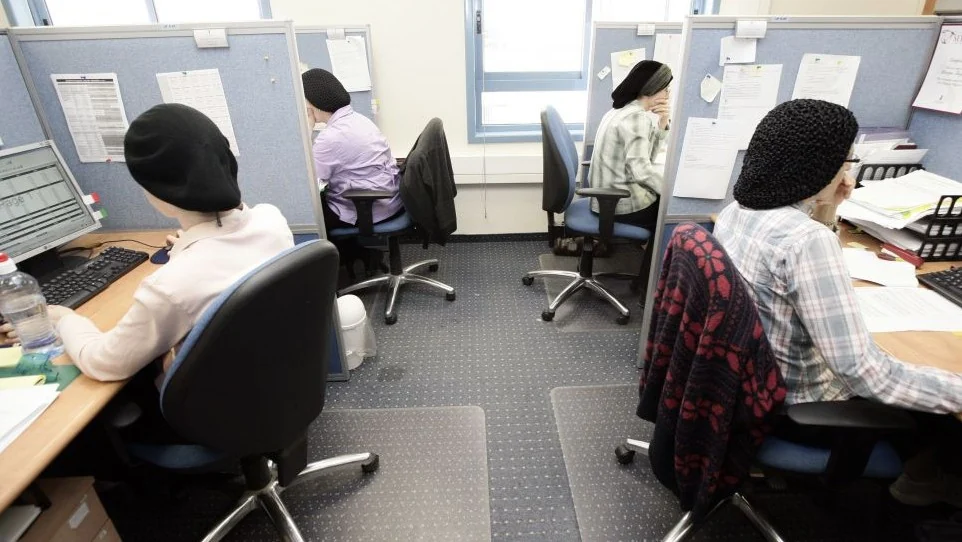
Over Shabbat, I sat down with a close friend who manages a team at a leading tech company. She has 15 Haredi women working under her. “Rivka,” she told me, “every morning I wake up with a headache. I have to find enough work for all 15 of them, and I just can’t.”
What terrifies her most is the day she’ll have to decide who to let go. How do you even make that call? Do you lay off the woman supporting three little kids? Or the mother of seven, some still toddlers, others teenagers with dreams of their own? This isn’t a story about AI. It’s a story about real lives.
Today, 82% of Haredi women in Israel are employed. It’s the quietest revolution this country has ever seen. No protests, no big headlines. The Haredi woman simply became her family’s primary breadwinner.
But look at where she actually works. Most aren’t in management. They’re in repetitive, routine roles: QA testing, data entry, customer support. In other words, the exact jobs AI can now do faster and cheaper.
In a study I conducted at the Jewish People Policy Institute (JPPI), I asked Haredi women why they work. Some called it a sense of mission. Others said it gives them fulfillment. Most gave a much simpler answer: because there’s no choice. Someone has to put food on the table.
And the state treats them the exact same way, as if a Haredi woman’s career is just a means to an end, a paycheck at the end of the month. That’s the hidden barrier I wrote about. Nobody ever told these women they aren’t allowed to move up – and nobody ever told them they are. Meanwhile, all the funding, all the government programs, and all the coalition agreements go toward Haredi men. I’m not dismissing those efforts. But the woman who is actually holding the household together is being left in the exact same spot.
Personally, I’m not afraid of AI. I study it, research it, and hold degrees in algorithms and artificial intelligence. AI isn’t going to wipe out jobs, just like the Industrial Revolution didn’t wipe out jobs. What it will wipe out is mediocre, routine work. The young woman from Bnei Brak won’t be replaced by a robot. She’ll be replaced by someone else who learned how to work with one.
So I have one request right now, as our politicians sit down to write the coalition agreements: don’t just put in employment programs for men. Think about the women, too.
It will pay off. They’re already in the workforce. They’ve already broken through the hardest barrier. You don’t need to reinvent them. What they need is a short, three-month evening training course on how to work with AI, how to test it, and how to think beyond it. They need government-backed job protection. If you help them now, they won’t just keep their jobs. They’ll earn enough to start paying income tax. They’ll go from relying on state support to paying into the system. That’s good for the country, good for their families, and good for all of us.
My friend didn’t ask me to save her. She just asked not to be forced to choose who gets fired. Let’s not let it get to that point.
Dr. Rivka Ravitz is an author, lecturer, AI expert, and strategic advisor. She previously served as Chief of Staff to Israel’s 10th President