


AIPAC is dead. Long live the DSA.
Growing up in Jewish day school, one story always stayed with me.
A man is trapped in the rising waters of a flood. The water fills the first floor of his home. A neighbor comes by in a boat and offers to rescue him.
“Not necessary,” he says, “God will save me.”
The water keeps rising, so he goes up another floor. Eventually, he finds himself standing on the roof. A helicopter arrives. A rope is lowered within arm’s reach. “Grab the rope,” his rescuer shouts. Again, he refuses.
It’s okay, I’m waiting for God.”
The waters continue to rise, and the poor man drowns. When he reaches heaven, he asks God why He never saved him.
God replies: “I sent you a boat. I sent you a helicopter. What more did you want?”
Looking at the Jewish communal world today, I can’t stop thinking about that story.
The water is rising, the rope has already been lowered, and we’re still praying for institutions built for a different era to solve problems they were never designed to address. That isn’t an insult. It’s just true.
America has changed
The institutions that defined the remarkable journey and peak of Jewish communal accomplishment, impact, and influence were built for an America of newspapers, network television, and political parties that acted as gatekeepers. That America is gone.
Gen Z is the least partisan generation in modern American history. 56% of my Gen Z demographic identify as independents, compared with just 33% of Baby Boomers. Concurrently, trust in institutions has collapsed: Only 15% of young Americans say they trust the federal government to do the right thing most of the time, the lowest number Harvard’s youth poll has ever recorded.
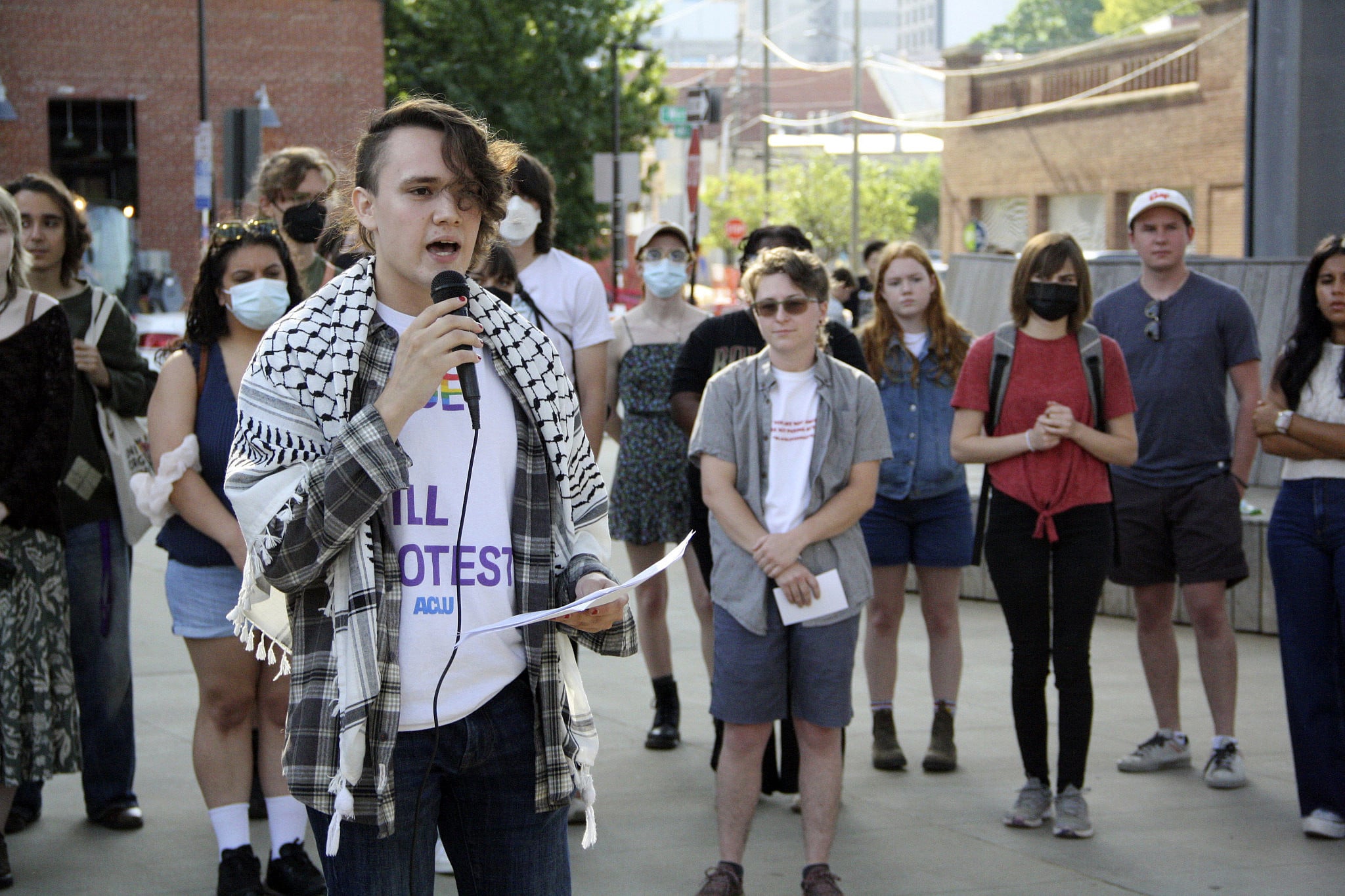
Young people don’t get their politics from newspapers or the evening news anymore. TikTok alone has become the single most popular news source among young social-media users, jumping from 32% to 41% in just two years, according to Pew. And critically, they don’t want politics delivered to them. Gen Z shows up to rallies and volunteers for campaigns at higher rates than older generations do. Gen Zers aren’t observers; they are participants. They seek hands-on involvement in search of hands-on impact.
Much of the Jewish community is still living like it’s 1998.
Meanwhile, the DSA built something that actually works
This spring, AIPAC-aligned super PACs poured nearly $10 million into New York primaries, trying to stop a slate of candidates backed by the Democratic Socialists of America. It didn’t work. Nine of the 10 candidates on the NYC-DSA slate won. Then, just days ago, a 29-year-old first-time candidate backed by the DSA unseated a 30-year congressional incumbent in Colorado. And she won big. Money couldn’t buy what field organizing did.
Here’s the critical point, and it behooves us all to sit with this and consider the implications. The DSA didn’t out-fundraise anyone. It out-organized everyone. It built a movement, not an organization: local chapters, young leaders, a social-media-first presence that is the funnel that makes everything else possible. Real power is door knockers. Zohran Mamdani’s campaign fielded over 100,000 volunteers who knocked on three million doors. How many did AIPAC’s political apparatus have? Again, that’s not a knock, no pun intended, it’s just the reality we need to acknowledge and adjust to, yesterday.
The DSA playbook
Social media comes first: Social media is not the mission, but it is the front door. It is how today’s generation discovers ideas, forms communities, and decides what deserves their attention. Too many organizations still treat digital media as a communications department whose job is to promote existing work. The opposite is true. Media should generate interest, attract talent, and create a broad cultural conversation that extends far beyond the traditional Jewish community. It is the top of the funnel. Everything else begins there.
Build chapters, not just audiences: Online attention means very little if it never becomes real-world relationships. Chapters transform viewers into participants. They create local communities where young people can debate ideas, build friendships, develop skills, and take ownership of a mission. Young people are hungry for meaningful experiences and authentic communities. Strong local infrastructure gives them both.
Invest relentlessly in leaders: Institutions do not change history, people do. Every generation needs its own voices who understand its language, its platforms, and its challenges. The next generation will not be inspired by leaders who simply repeat the strategies of the last. We need to identify exceptional young people early, invest in them aggressively, and give them the resources to build audiences, institutions, and movements of their own.
Each of these pillars requires its own long-term strategy, from funding and organizational design to leadership development and local chapter support. Together, they offer something more powerful than trying to modernize large institutions built for another era. They offer the opportunity to build a new generation of institutions native to the way the world actually works today.
We’re standing on the roof
The boat has arrived. The helicopter is overhead. The rope is dangling, and the next generation is telling us exactly how it wants to engage. The question is no longer whether the world has changed. The question is whether we’re willing to build new institutions from the ground up, institutions that work seamlessly in the dynamic and ever-shifting context of our new world.
It’s time to say “If not now, when?” and to mean it. It’s time to grab the rope. Because if we don’t, God will soon be asking us the same question he asked that poor guy in the flood.
What more did you want?