
Ali Al-Taher: Where Is the Escalation Heading?
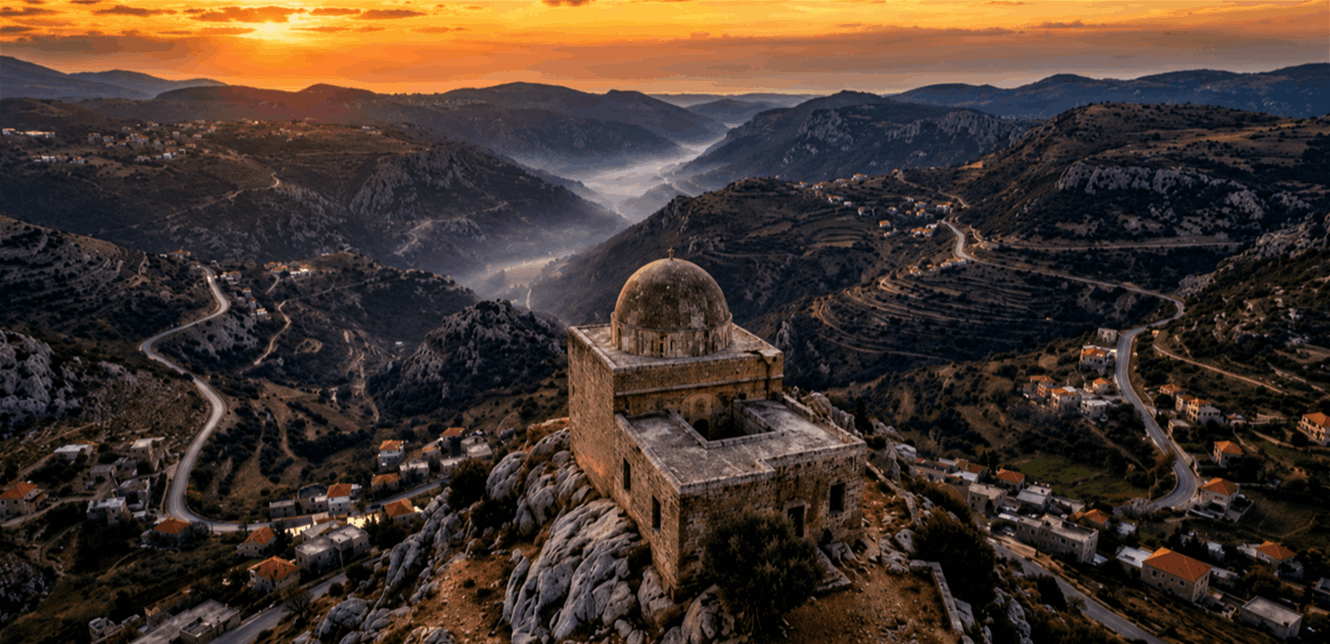
The battle over Ali Al-Taher Hill is no longer simply a confrontation over a strategic position in southern Lebanon. What is happening around it carries broader military and political implications, amid growing fears that Israeli escalation could trigger a response from Hezbollah and, in turn, lead to a new round of fighting in which civilians on both sides of the border would pay the price.
Ali Al-Taher is strategically important because of its elevated geographical position and its view over a wide area of southern Lebanon. Control of such high ground provides the controlling side with greater surveillance capabilities, mobility, and the ability to establish a military presence. For Israel, therefore, the hill appears to be part of a broader security concept for southern Lebanon rather than an isolated military target.
But the problem goes beyond military calculations. When an inhabited area becomes a battlefield for airstrikes and military operations, civilians are the first to suffer. Today’s reports of deaths and injuries in southern Lebanon increase the possibility of retaliation and place the region before a dangerous equation: an Israeli strike, followed by a Hezbollah response, followed by a stronger Israeli response—and so the cycle of fire can rapidly expand.
The question now is: How will Hezbollah respond?
One possibility is that Hezbollah will choose a limited and calculated response, targeting Israeli military positions or forces in an attempt to establish that Israeli strikes will not go unanswered, without immediately moving toward a full-scale war. But the possibility of a broader escalation remains, particularly if Hezbollah considers the civilian casualties to have crossed a threshold that cannot be contained.
If the response expands, northern Israel will become a central part of the equation. Residents of the Galilee and northern towns could once again face missiles, warning sirens, shelters, and disruptions to schools and businesses—just as residents of southern Lebanon are currently living under the threat of Israeli airstrikes.
This reveals the most tragic paradox: the more both sides attempt to impose a new deterrence equation, the greater the suffering of civilians on both sides.
Israel may believe that controlling strategic high ground provides greater security depth. Hezbollah may believe that responding to these operations is necessary to prevent a new reality from being imposed on the ground. But between these two military calculations are Lebanese civilians who simply want to remain in their homes, and Israelis who want to live in their towns without missiles or shelters.
The real danger lies not in the first strike alone, but in the chain of retaliation that may follow. If Hezbollah responds forcefully, Israel may regard that as justification for expanding its operations. If Israel expands its operations, Hezbollah may come under pressure to respond even more forcefully. At that point, the region could move from limited escalation to a broader war in a very short time.
For this reason, the battle over Ali Al-Taher may become a genuine test of the next phase: Can the parties keep the confrontation within certain limits, or will continued civilian casualties make escalation increasingly difficult to control?
Ultimately, lasting security cannot be built on mutual fear alone. Capturing a hill or launching a missile may produce a temporary military gain, but it does not resolve the larger question: How can the people of southern Lebanon and northern Israel live safely without every new escalation turning into war?
That is the question that will shape the future of the region more than any hill or military position.