
America’s advanced capabilties have been used too rarely. Now is the time
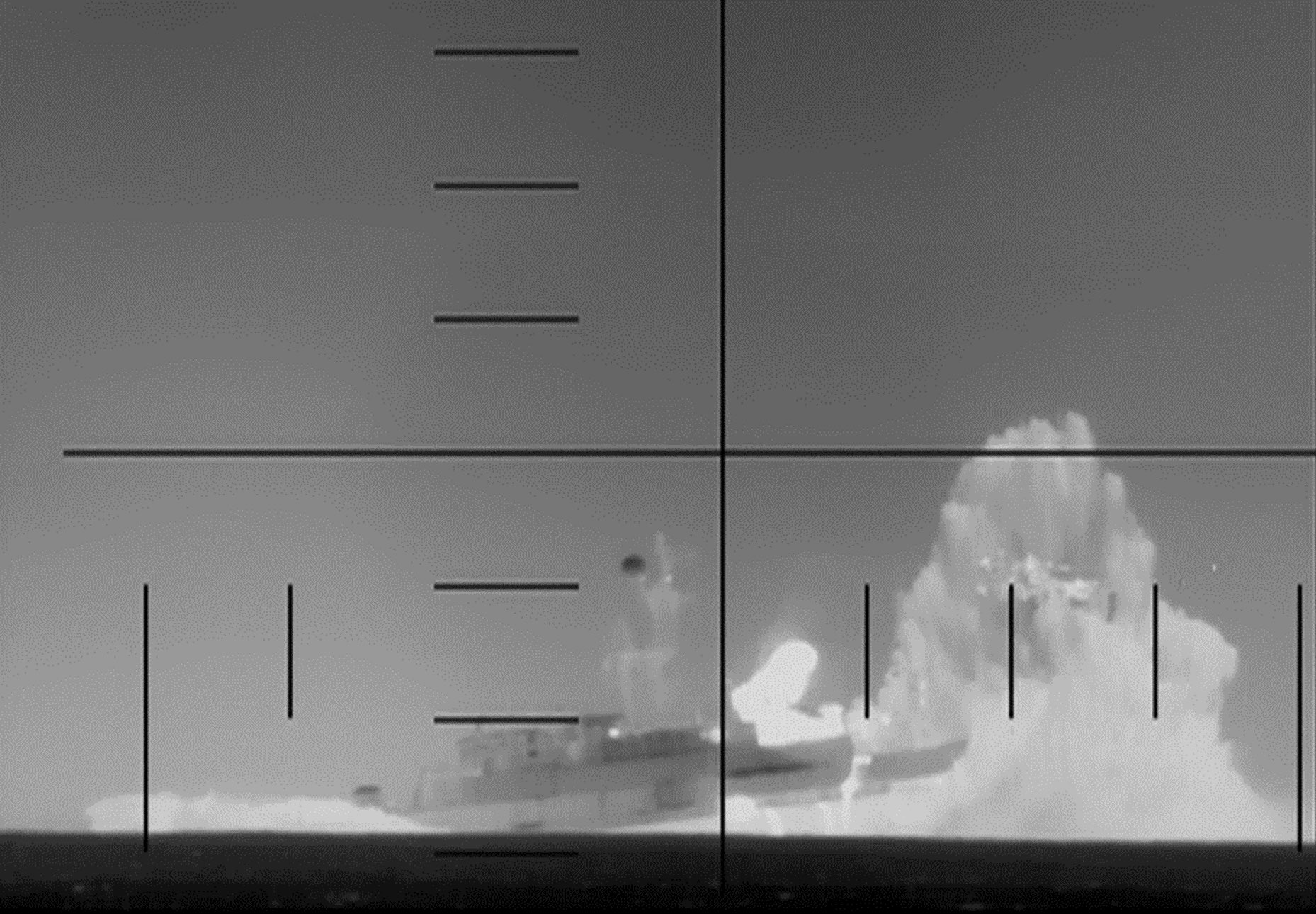
The sinking of the Iranian frigate Dena by a U.S. Navy nuclear attack submarine is the first such instance since 1945 only because America has been very reluctant to use its enormous naval power in the eight decades following the end of Allied victory in the Second World War.
It is worth considering just how enormous America’s naval power is, and how advanced are the capabilities that it employs. The Navy has 49 fast attack submarines and four guided-missile submarines. All of them carry Mark 48 ADCAP (Advanced Capability) torpedoes, dating from 1988 and capable of speeds in excess of 55 knots (102 kilometres per hour). This torpedo was designed at the end of the Cold War to sink very fast, titanium-hulled, Soviet nuclear submarines of the Alfa class.
In its latest versions, the torpedo carries a warhead with 295 kilograms (650 pounds) of PBXN-105, described as “the safest, most tested, and most powerful underwater explosive ever produced for the U.S. Navy.” This polymer bound explosive consists of the following complex combination of components, as presented in a public patent:
26% aluminum, 50% ammonium perchlorate, 6.5% bis-(2,2-dinitropropyl)acetal (bis-DNPA), 6.5% bis-(2,2-dinitropropyl)formal (bix-DNPF), 3% polyethylene glycol (PEG), 7% 1,3,5-trinitrohexahydro-s-triazine (RDX) and 1% toluene diisocyanate (TD)
That is rather more complex and powerful than the commonly used plastic explosive Composition C-4 (90% RDX and 10% polyisobutylene). No wonder that the torpedo’s 650-pound warhead broke the keel of a 1,500 tonne corvette – erroneously labelled as a frigate, even though it was substantially smaller than Israel’s Sa’ar 6 class corvettes.
The United States Navy, to draw out a direct and very non-technical conclusion from the facts presented above, can completely annihilate minor navies like Iran’s within a very short period of time. It has not done so in the years since 1945 not through lack of capacity, but as a result of an absence of political will. Now that the Navy and the branches of the U.S. armed forces have finally been unleashed by decision of President Donald Trump, they should be allowed to continue to act against Iran until the Iranian regime has no armed forces left. Given the exceptionally advanced nature of capabilities such as the Mark 48 torpedo, it will not take long.