An apprenticeship into the bittersweet: The last week (Ki Tavo and Elul)
The beautiful faces staring out from the newspaper. Each one a life. A world. A universe. Lost in a moment of indiscriminate hatred, fuelled by the perversion of truth.
And that taxi driver putting his own life at risk to save an elderly woman. The bonds of kinship sewn through unconditional love and unmitigated altruism.
Indigenous murmurings of our land explored in the space of bittersweet encounter.
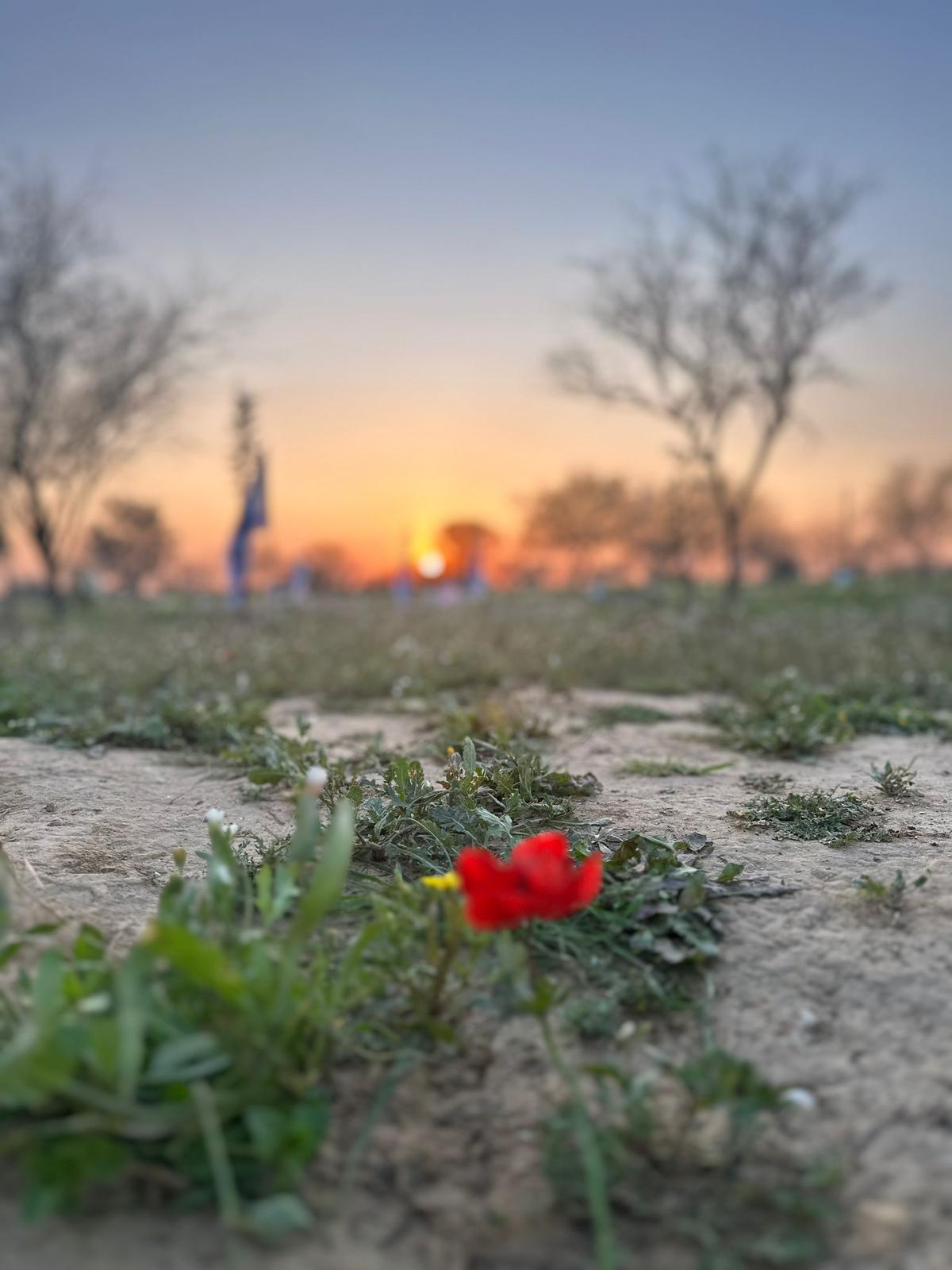
Naomi Shemer’s voice sings it best: the honey and the bee sting. Hanan Ben Ari’s haunting lyrics accompany me each day as the ghost of 07/10 looms large at every corner: “My homeland, even in hell you are Gan Eden.”
Bittersweet.
Susan Cain describes it like this:
“…a tendency to states of longing, poignancy, and sorrow; an acute awareness of passing time; and a curiously piercing joy at the beauty of the world. The bittersweet is also about the recognition that light and dark, birth and death—bitter and sweet—are forever paired. It’s an authentic and elevating response to the problem of being alive in a deeply flawed yet stubbornly beautiful world.”
Last week Hila and Itai married their eldest son, Aviad.
We met Itai one sunny morning in 2005, fresh off the plane, in a simple Yemenite moshav in the middle of nowhere; his enthusiasm and fresh Israeli openness drew us close. We joined a group, bought some land, built a house, planted a garden. We watched as Hila and Itai’s four-year-old son Daniel underwent treatment for leukemia. We cried when, on motzei Simchat Torah 17 years ago, he slipped away from this world. We held them close and let them grieve. They let us comfort them. For 17 years they held space for their pain, and made space for shared joy. They taught me what bittersweet living looks like in real time.
Last Sunday Aviad, then 6, now 22, married Shilat. Aviad lost Daniel, and last year lost another “brother” when Amitai—best friend of Aviad and our daughter Meital—was killed in Gaza. Looking through old pictures, I notice Amitai הי״ד’s laughing face staring at me with his friends in the midst of their innocence. Before the war, before the loss, before the unimaginable chasm he left. The innocent beauty of life before the bee stung. Before the gates of hell opened on us in our Garden of Eden.
Bittersweet.
“We have reached the depths of pain, which means we can reach the highest level of joy,” Hila told me. And they did. Never have I been to a more moving, more joyous wedding. That very same night Rabbi Leo Dee—husband of and father to those killed by terrorists—also chose the path of the bittersweet, affirming that even from the depths of grief, life still wins.
To be human is to sit at the threshold between loss and revelation. The other side of sorrow is not happiness. It is meaning. Sorrow, pain, loss, adversity are not tyrannical experiences to be adjudicated; they are at the very heart of our humanity. They are moments that help us transform the absurdity and mundanity of life into a spiritual vitality.
Bittersweet.
In the midst of dancing at Aviad’s wedding, we found out my Uncle John had devastatingly passed away from cancer. John was the fittest, strongest man, who lived life to the maximum. On Tuesday we stood at his grave, next to that of my father, and watched as a group of men from the cemetery danced around his grave chanting off the evil spirits—a minhag we learnt they practice at certain times in Jerusalem. There was something entrancing, bizarre, magical and mysterious about this ritual. Something that spoke to the heart of the Jewish ethos.
It’s how we roll. It’s what we do. We fight off evil by dancing and singing unified together in a circle. On the precipice between life and death, good and evil. There at the threshold we sing and dance and ward off the evil spirit.
We fight death by affirming life. We transform loss into longing. Grief into love. Sorrow into music.
Bittersweet.
Standing in a graveyard, ruminations of Elul: the fragility of existence, its guileless absurdity and fragmentary mortality. Of the dust that we are and to which we shall return.
But Teshuva, Tefilla, Tzedakah can change the fate of the decree. We are free, we have the power to change our reality. We can bring redemption through small acts of kindness and moments of transcendent connection. We can make the world other than it is.
We are human and we are flawed. We are perfectly imperfect. At any given moment we get to choose life. We get to choose change through teshuva. Connection through tefilla. Justice through tzedakah. Humanity = a hybrid creature of dust and divinity. How very absurd.
Bittersweet.
Dropping off my daughter at the station—the ordinariness of life here. A mother in jeans and a tank top places her hands on her son’s head, blessing him, loving him fiercely, tears streaming down her face. Who knows where he is going? We are still at war. Our boys are still being blown up in their tanks. Our babies, playing the game of being superheroes, are becoming experts at leaving legacies of heroism.
Bittersweet.
Parshat Ki Tavo – when you come into this land, after planting your fruit, you will travel to the Temple, place it before the priest and proclaim: There you will lay your first, most cherished fruits before the Priest – and you will tell a story. The story of a wandering Aramean. The story of the Exodus, of God’s saving hand, of your people’s long journey through wilderness. And you will align yourself with the indomitable spirit of your nation, with their trials, tribulations, sufferings and redemptions.
An apprenticeship of the bittersweet. A lesson in crafting grief and adversity into a nourishing, mature freedom that credits something more than unfettered individualism for our success. A gratitude for the things that extend beyond the periphery of our immediate experience of life – our history, our people, our tradition.
Who was this Aramean? The sages suggest Abraham, perhaps Jacob—or perhaps that is precisely the point: it is no one, and it is everyone. We are the complex fusion of the bold, innovative Jewish farmer and the humble, wandering Aramean, carrying across history their dreams and fears, their pain and joy, their pride and hope. History has taught us both the fragile contingency of the wanderer and the enduring strength of the rooted farmer in his land.
Bittersweet.
77 years of the bittersweet. The sorrow and joy. The dark and light. The tumultuous terror and the effervescent beauty. This land is a constant reminder that from the bittersweet fruits emerge. A land that depends on Divine dew and human toil. A land that forces our eyes heavenward and our hands to the ground. A land that rarely offers a period of tranquility but provides infinite meaning. The bittersweet breaks us open, allows for connection, transforms the mundane into the sacred and cultivates a posture of humility and awe, gratitude and reverence.
Today I choose to embrace the bittersweet. I choose to acknowledge the insurmountable pain of the last 706 days and the unprecedented moments of resilience and strength. I choose to hold them together in an inextricable, unimaginable mesh of complexity. I choose neither certainty nor doubt; neither insurmountable pain nor shallow pleasure; neither despair nor hope. I hold it all. I see it all. I acknowledge it all. The honey and the sting. Gehenom and Gan Eden. Life and death.
But I know that our people have always done—and always will—ultimately choose life.
Bittersweet.