Ancient and Unique Uzbekistan: Karakalpak dresses
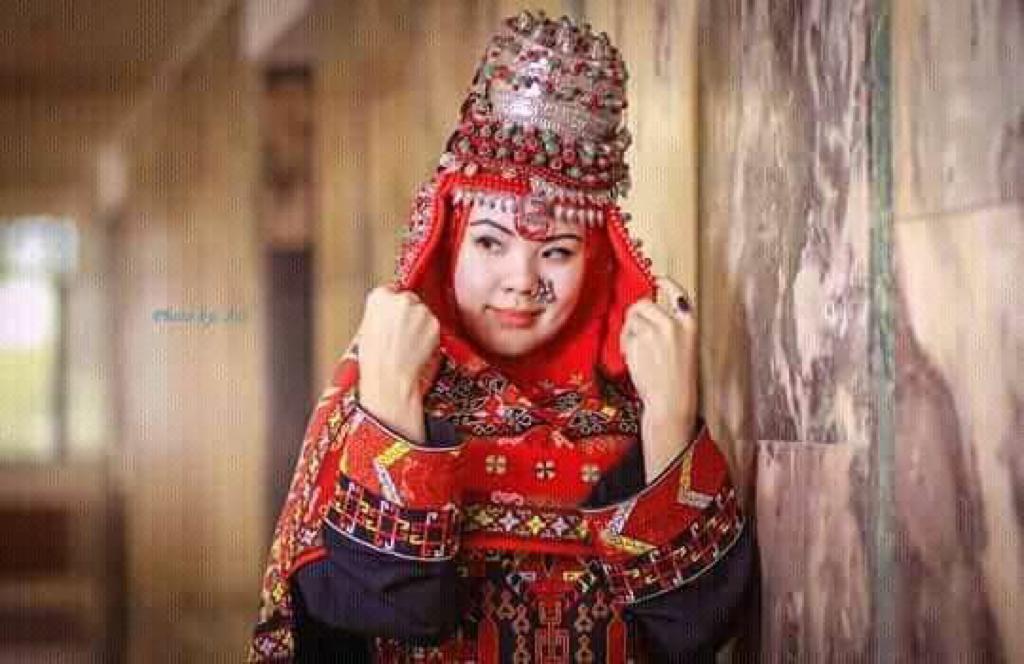
Since ancient times, it was known that the Karakalpak girls were engaged in the preparation of their dowry, especially learning to embroider, working hard on their wedding dress, and applying unique patterns and outlines.
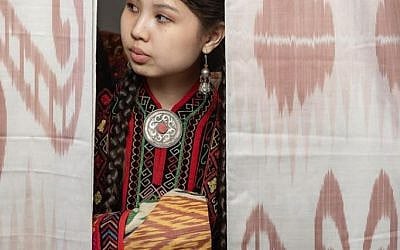
Although the color and shape of the dress were identical – made of a dense material of dark blue, called “boz”, a stand-up collar, and long sleeves, the pattern was different for each and everyone. Decorations and symbols were reproduced based on the tribal community of the family, and the character was also reflected, which laid the foundations even in the distant nomadic steppe.
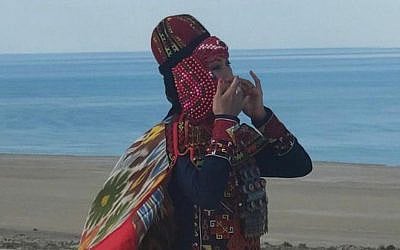
The main motives of the patterns were waves of the sea, fish, wheat, wind, and horns – in a word, everything inspired by nature and reflecting everyday life.
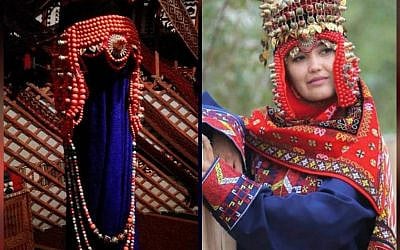
Silver items that adorned the bride were an integral part of the wedding dress. For example, elongated earrings and “shar tyuime”, reminiscent of a nomadic yurt, were a symbol of home and comfort.
Mandatory was “haikel” – a talisman with decoration in the form of a “ram’s horn”, considered from ancient times to be a symbol of power and good. The silver breast ornament, which has many varieties from the simplest to the more expensive, was an elongated engraved plate, often with 7 pendants, and with the same number of rubies.
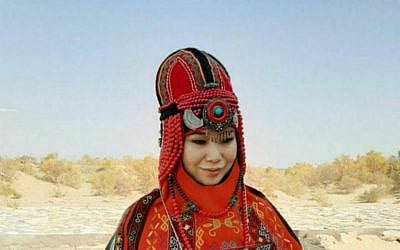
Gold, if used, was in very small quantities, but mostly it was silver. Also worn were large rings with carnelian inserts, arabesque nose earrings and massive bracelets on both wrists.
⠀ The girls wore leather boots on their feet, which were very comfortable both in everyday life and riding a horse during a trip.
The simplicity of combining clothes and jewelry is explained by the active nomadic life characteristic of the Karakalpaks. As pastoralists, they changed their habitats at different times of the year in search of better pastures for livestock.
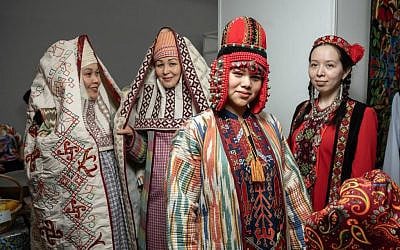
⠀ Another feature of the costume of the Karakalpak woman was that the burqa was not typical for her. The face of a woman has always been open, which is typical for nomadic peoples. And only the overlay cape “zhipek zhegde”, which is a wide cape with embroidered decorations along the edges, was used in hot summer heat or in a cool wind. Usually, they were polished.
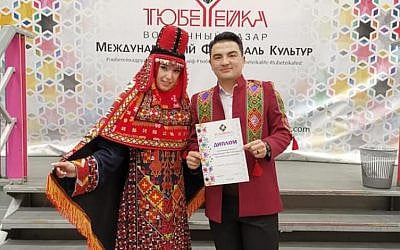
⠀ Varieties of “Kok Koylek” dresses and other adornments are kept in the Savitsky State Museum of the Republic of Karakalpakstan in Nukus.
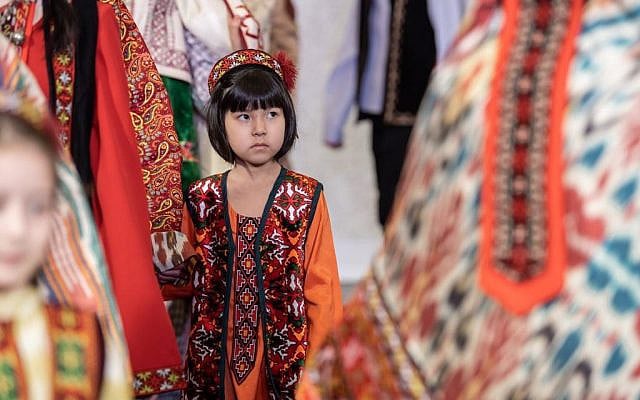
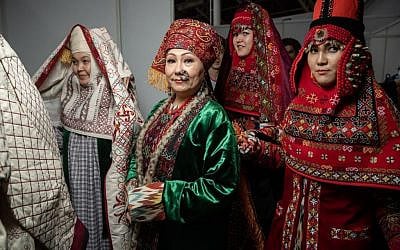
The display of the Karakalpak national costume was presented last year at the International Festival of Cultures “Tubeteika – Oriental Bazaar”. The word “tubeteika” means “skullcap”. The annual festival of cultures “Oriental Bazaar” Tubeteika “is designed to acquaint its guests with the cultural, artistic and historical heritage of the peoples of Uzbekistan, Azerbaijan, Tajikistan, Turkmenistan, Kazakhstan, Kyrgyzstan, Georgia, Russia. The exhibition pays great attention to arts and crafts, preserving the traditions of the peoples, as well as national cuisine and customs.
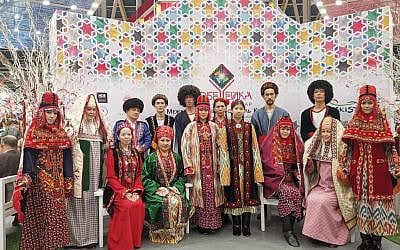
An integral part of the project is cultural education and demonstration of private collections with stories by art critics, film screenings about craftsmen and artists, as well as expositions of private and public museums.