
Ancient Stones: Israel’s Archaeology
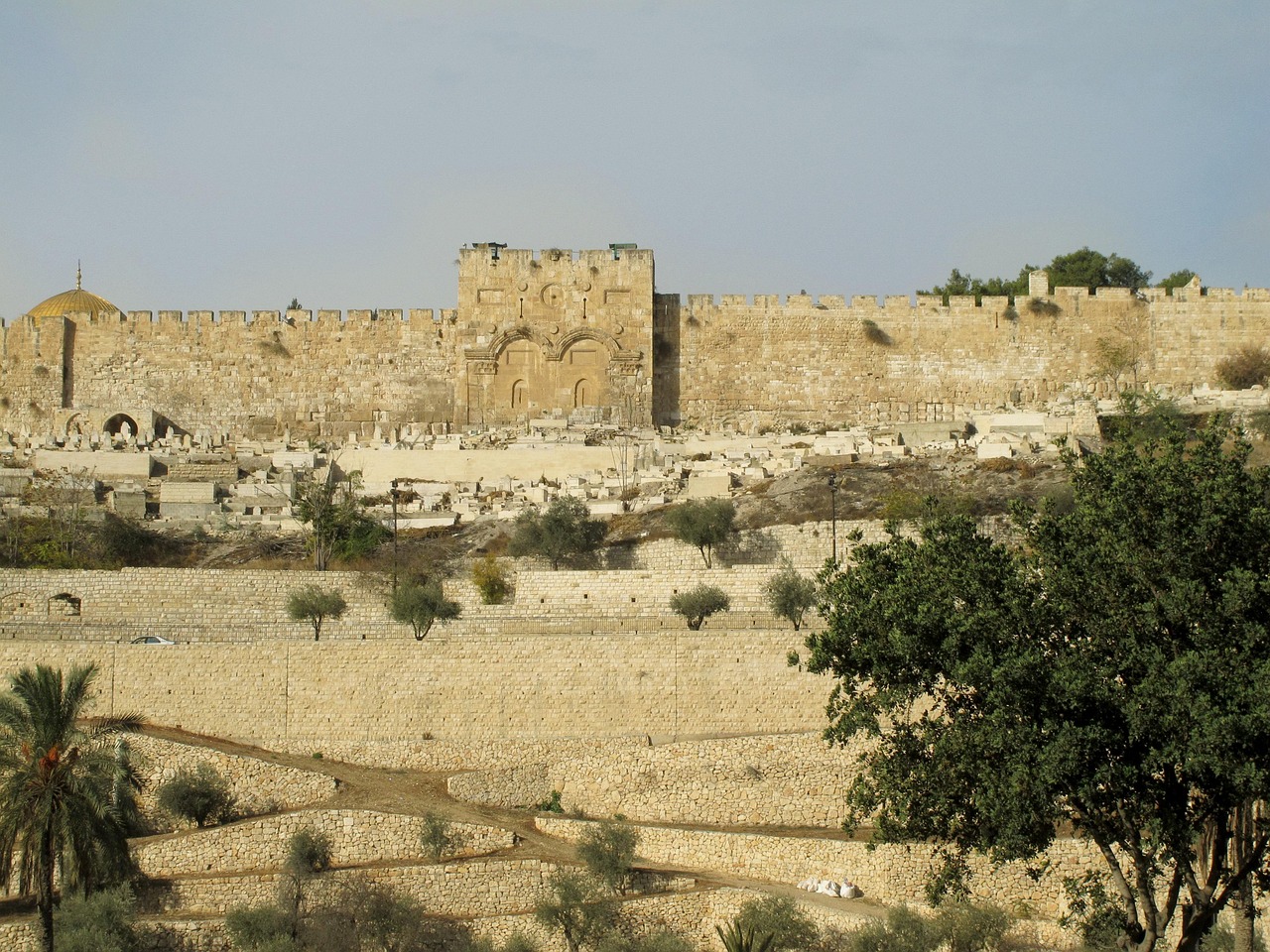
Israel is a place where the ground remembers. You look at a hill and then suddenly it feels like it wants to tell you a story. Many peoples lived here, and that is true… Canaanites, Israelites, Persians, Greeks, Romans, Byzantines, Crusaders, Ottomans, and more. That is why there are so many ruins. Archaeology here is not treasure hunting. It is slow, careful work. It is listening to stones that speak in small details.
Think of a dig like a layered cake… You slice it one layer at a time. If you rush then for sure you ruin the slice. Archaeologists use grids, tapes, tags and a lot of patience. A broken jar with no notes is just a broken jar. A broken jar with its exact spot, depth, and soil recorded becomes a clue. Teams also use tools like radiocarbon dating, microscopes, drones, and 3D photos. Hollywood shows whips. Real life shows brushes, buckets, and spreadsheets.
Jerusalem is the best place to feel time stack up. In the City of David, south of today’s Old City, you can walk ancient paths and water tunnels. Hezekiah’s tunnel winds through rock like a secret hallway. Tiny clay seals, burned ash, and old weights tell of offices, taxes, and bad days when the city was under attack. Near the Western Wall, huge stones from Herod’s time sit so perfectly cut that you want to run your hand along the smooth edges. They have not moved in two thousand years. They look like they could carry another floor tomorrow.
Out by the Dead Sea, you see caves where Qumran gave us the Dead Sea Scrolls. These are very old copies of Bible books, rules, songs, and notes. They show how people wrote, edited and guarded important texts long before printing. Scholars still talk about who lived there and what daily life was like. But everyone agrees: those scrolls changed our understanding of ancient faith and reading.
Masada rises above the desert like a table. King Herod built fancy palaces on top—painted walls, baths, storehouses. Later, the Romans besieged the fortress. You can still see the huge ramp they built to take the cliff. It is one of the clearest places to learn how war and water shaped life. You feel the wind on that edge, and the story clicks: glory, fear, and logistics.
On the coast, Caesarea Maritima shows Rome’s big dreams. There is a theater that still hosts shows, a long racetrack, baths, and the bones of a great harbor made with special concrete. A stone found here even mentions Pontius Pilate. The sea hits the old blocks, and you can almost hear ships creak and traders argue over prices.
In the north, three tells—Megiddo, Hazor, and Dan—explain power. From the top of Megiddo, the Jezreel Valley spreads out like a map. You see why armies wanted this hill. The site has strong walls, tunnels for water, and buildings that spark debates. Some areas people call “stables.” Others say, maybe not. Hazor is huge. Its gates and big buildings shout importance, while a burned layer whispers of some terrible day. Dan sits in green shade. A black stone here likely says “House of David.” It is rare proof, carved in the 9th century BCE, that ties a Bible family name to the wider world.
Lachish shows what a siege looks like up close. The Assyrians piled a ramp up the side of the city. It is still there. Letters written on pottery sherds read like notes from people under stress, watching the horizon and hoping for help. You can almost see the fires they used to signal news between towns.
The Galilee gives you ruins at a gentler scale. And then Beit She’an has streets with columns, a theater, and big baths. Earthquakes hit; citizens rebuilt. Around the lake, Capernaum and Magdala are simple and strong—black basalt walls, early synagogues, ritual baths, fishing gear. A wooden boat from the first century, found when the water was low, sits in a museum now. The planks and pegs show repairs and real work. You can imagine the owner worrying about storms and the price of nets.
The Negev desert tells a different story where trade, farming, and faith in hard places. At Avdat and Shivta, the Nabateans, once spice-route traders, learned to farm using terraces and cisterns. They made wine in a place that looks too dry for vines. At Arad is a fort watched key roads. Desert monasteries kept life simple: stone, sky, and silence. The message is clear—water is everything, planning is survival, and small choices keep communities alive.
Here is a truth most visitors miss: digging is the “easy” part. Saving a site is harder. Salt from sea air eats stone. Heat cracks plaster. Rain finds every weak spot. Millions of feet wear down floors. Conservators fight back with drains, shelters, gentle chemicals, and smart paths for visitors. If a ruin looks neat and safe, it is because people work behind the scenes, day after day, to protect it.
If you go, travel with care. And here are the basics that could help you… Choose a few places and slow down. Start at the visitor center, watch the short film, and look at the model. It will help you “see” missing walls and roofs. Bring a good guidebook or a solid app with period overlays. Stay off roped areas and balks—the vertical walls of soil left for study. One wrong step can erase evidence that took centuries to wait and hours to record. Buy the guidebook on your way out. It helps the site and gives you a worthy souvenir.
Do experts agree on everything? Well no… and that is healthy. New digs appear ahead of new roads. New lab tests adjust dates. A small find in one valley can change a big idea in another. The past does not change, but our picture of it becomes sharper. Disagreement is not failure. It is progress with dusty shoes.
If you want a quick way to lock in what you learned—what had the long water tunnel, what had the siege ramp, which port had the fancy concrete—try today’s homepage quiz – Israel edition. It is short, fun, and weirdly sticky. Like a pottery sherd you forgot was in your pocket.
Let us end here and I would say that Israel’s ruins do not feel dead. In fact, they feel busy. Stones hold memories. Wind carries old voices. Light slides over cut rock at sunset and suddenly you understand why builders tried so hard to get each block just right. Walk gently. Read the signs. Listen. The ground is still talking, and if you give it time, for sure it will answer.