IBArq: Rediscovering Biblical History and the Roots of Western Civilization
In an era marked by debates on identity, culture, and historical memory, interest is growing in understanding the origins of Western civilization and the context in which the biblical texts—works that have influenced generations for millennia—first emerged.
This is the mission of the Biblical Archaeology Institute (IBArq), based in São Paulo. The institution is dedicated to the study of biblical archaeology, ancient history, and the cultures that inhabited the Middle East and Mediterranean, helping the public connect with the historical, cultural, and geographic contexts of the region’s diverse peoples.
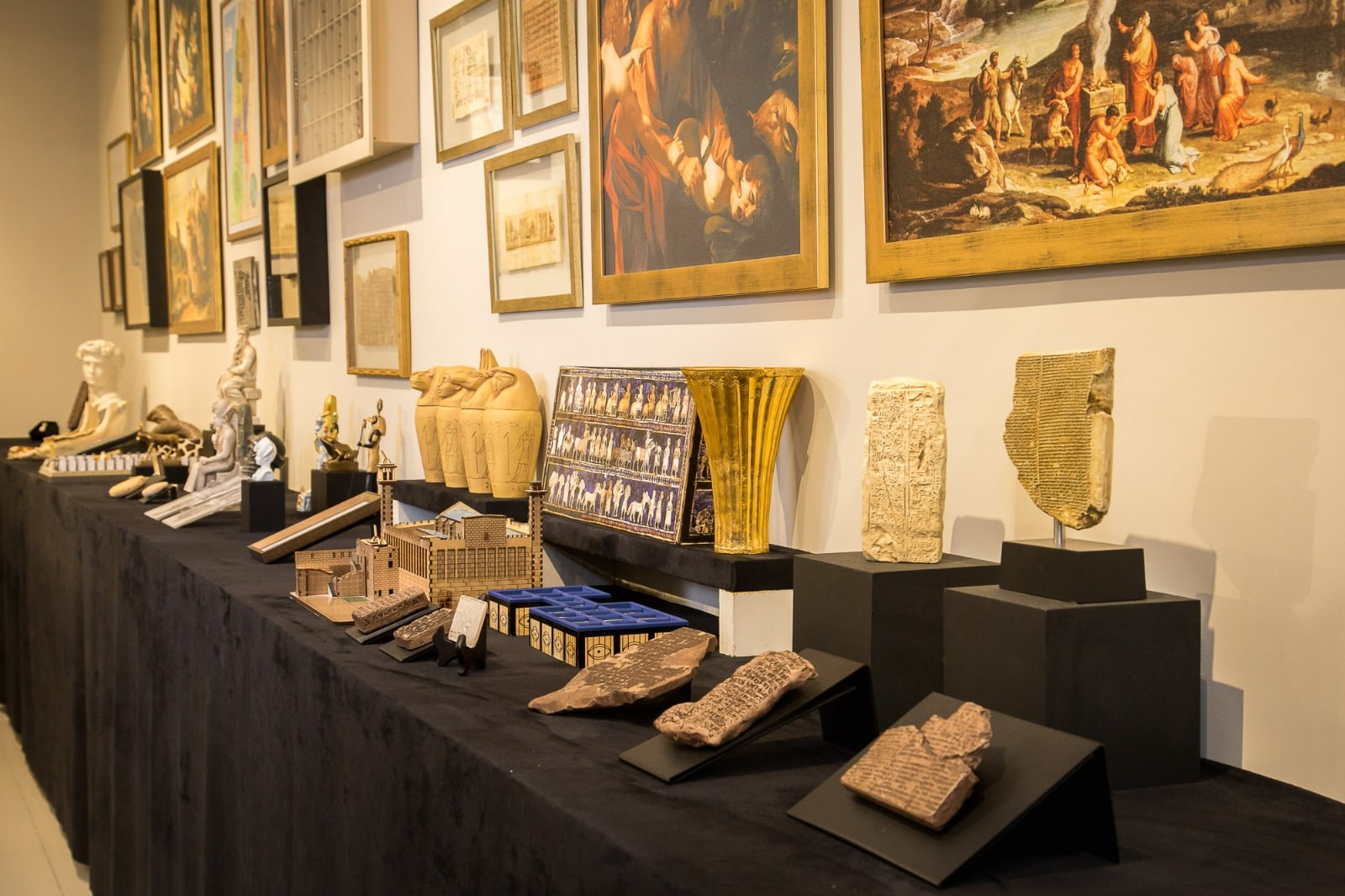
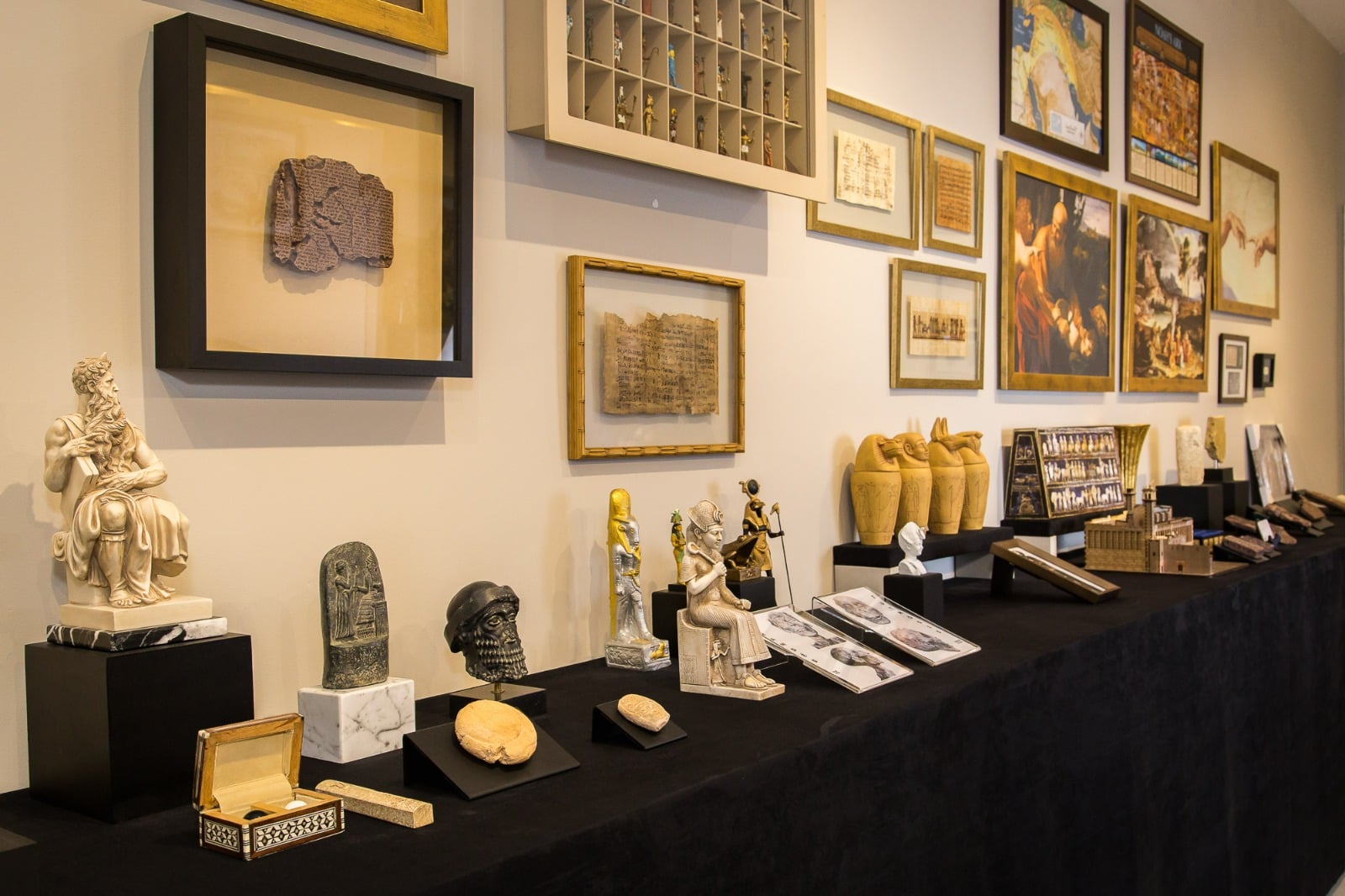
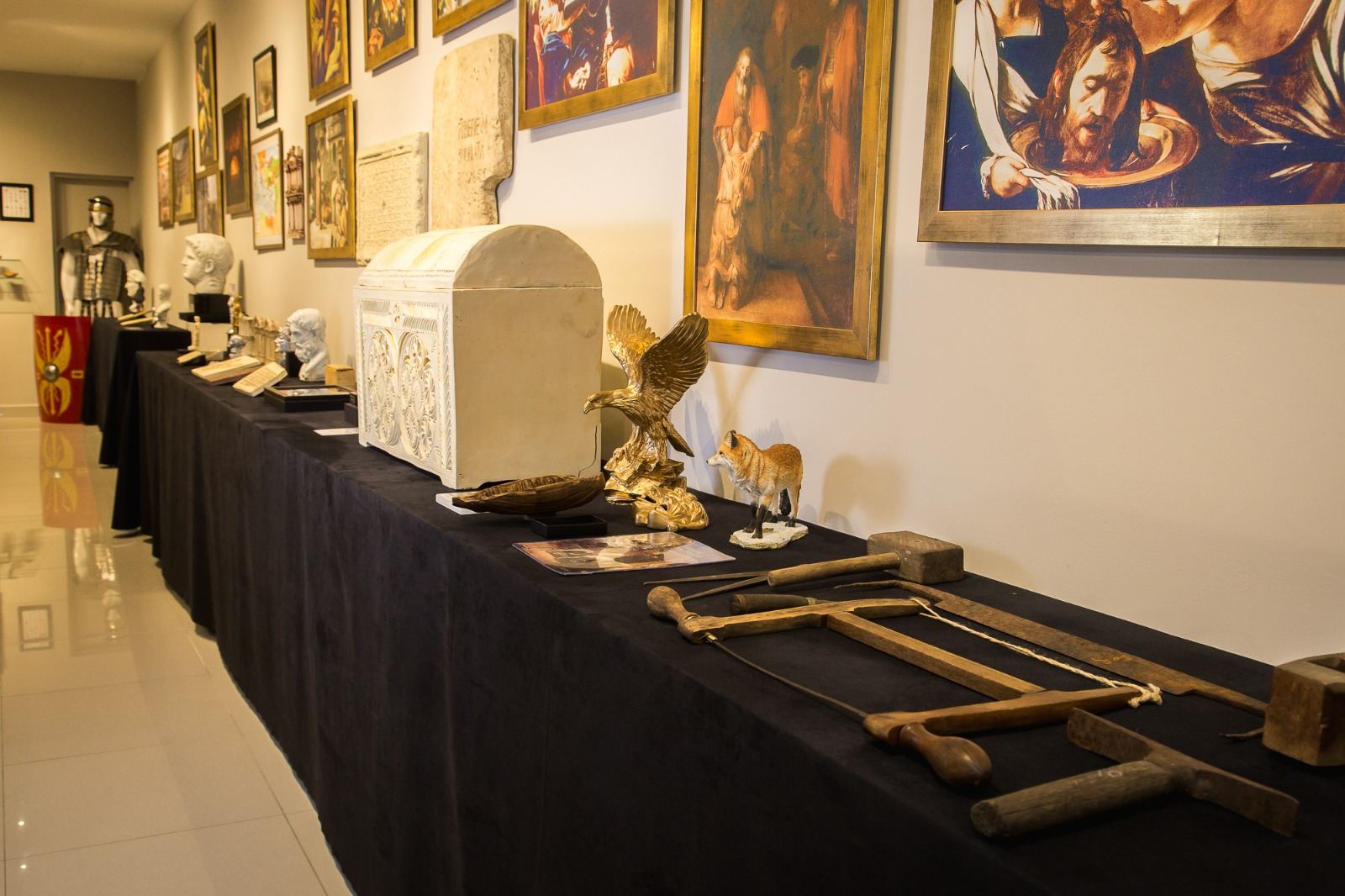
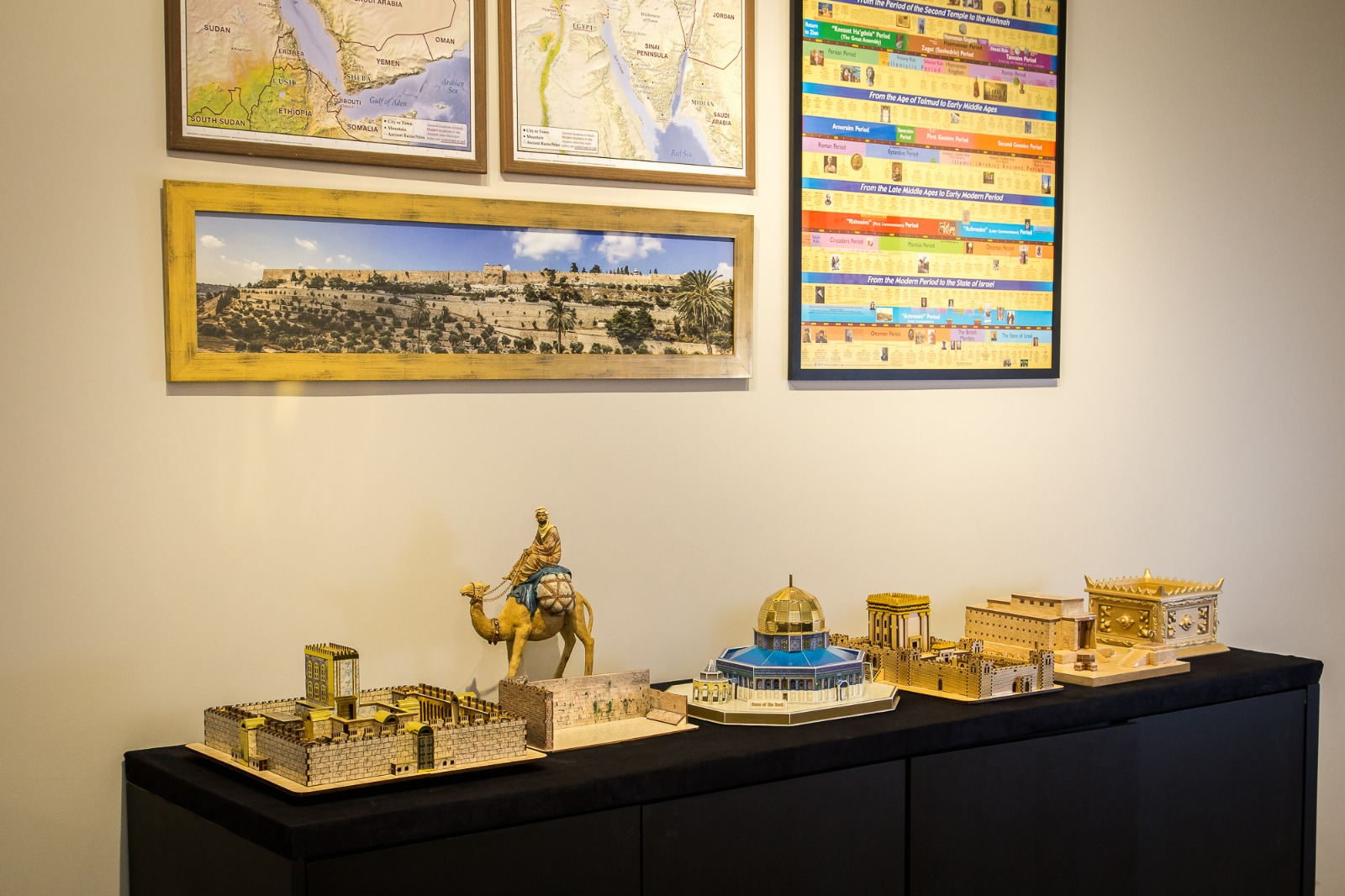
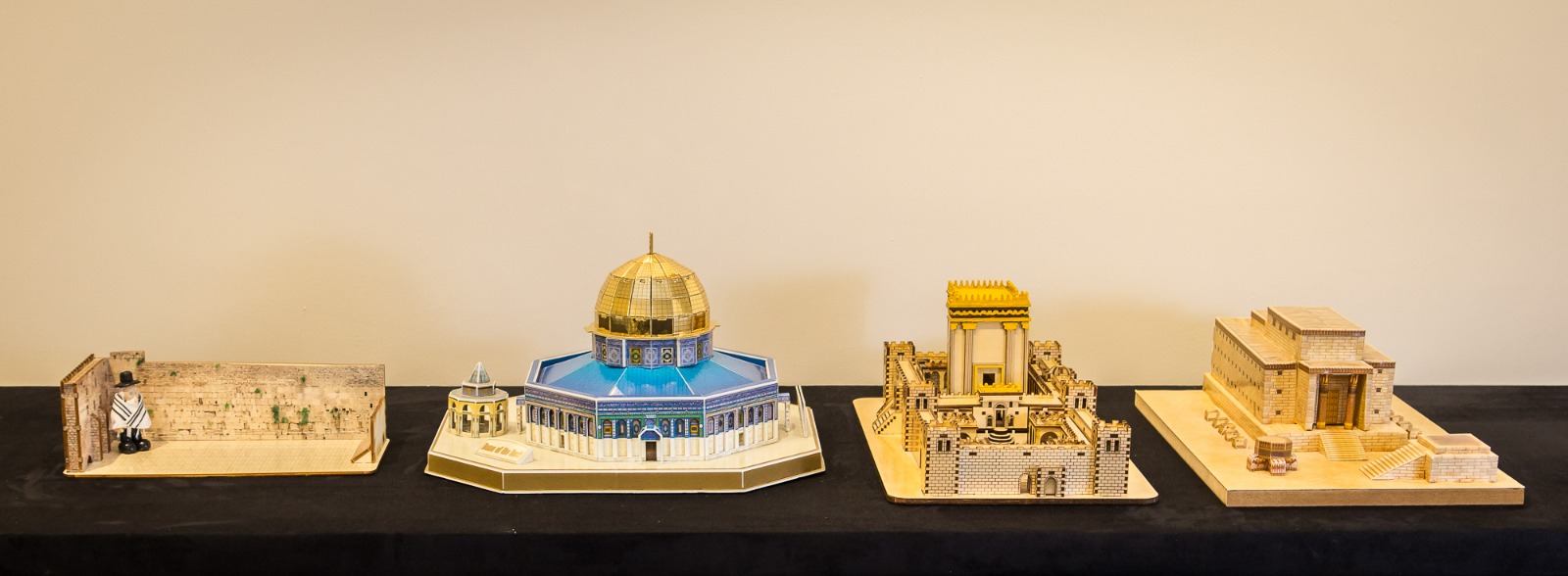
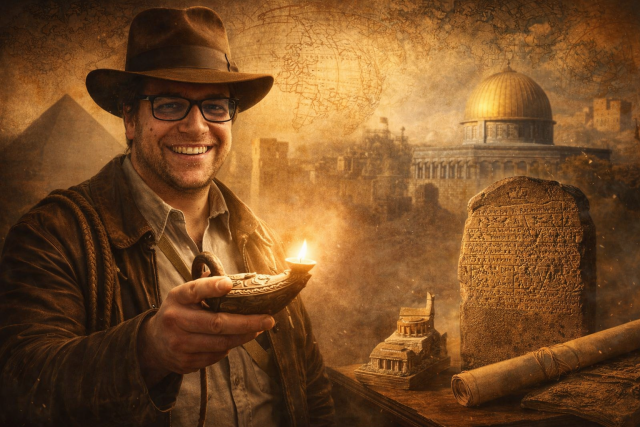
The institute’s museum houses a collection of more than 600 items, including original pieces and archaeological replicas representing civilizations such as the Jews, Egyptians, Assyrians, Babylonians, Persians, Greeks, and Romans. Exhibits include artifacts tied to daily life, religion, politics, and social structures of antiquity, as well as maps, models, and other educational resources that offer visitors a tangible encounter with history.
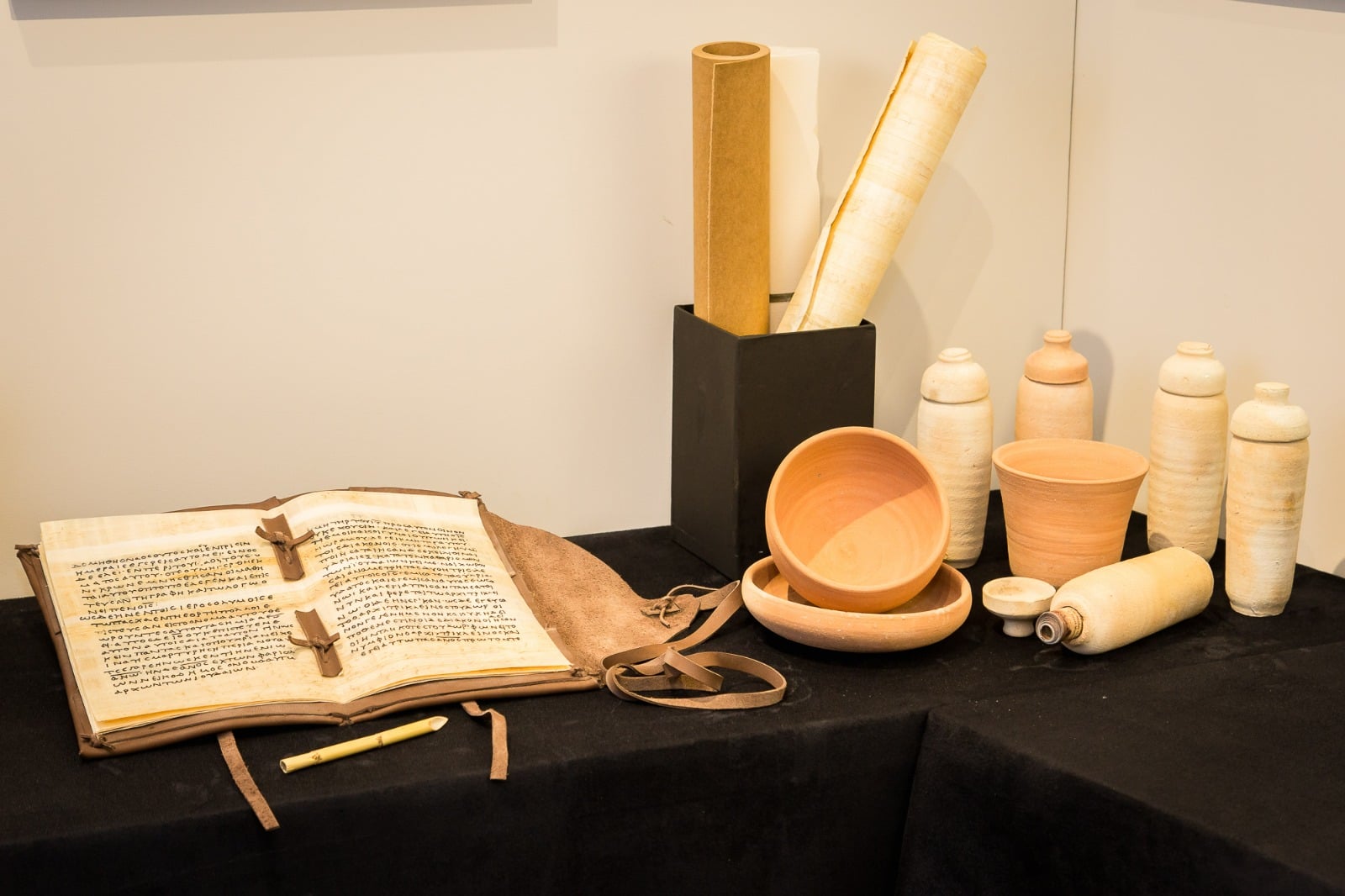
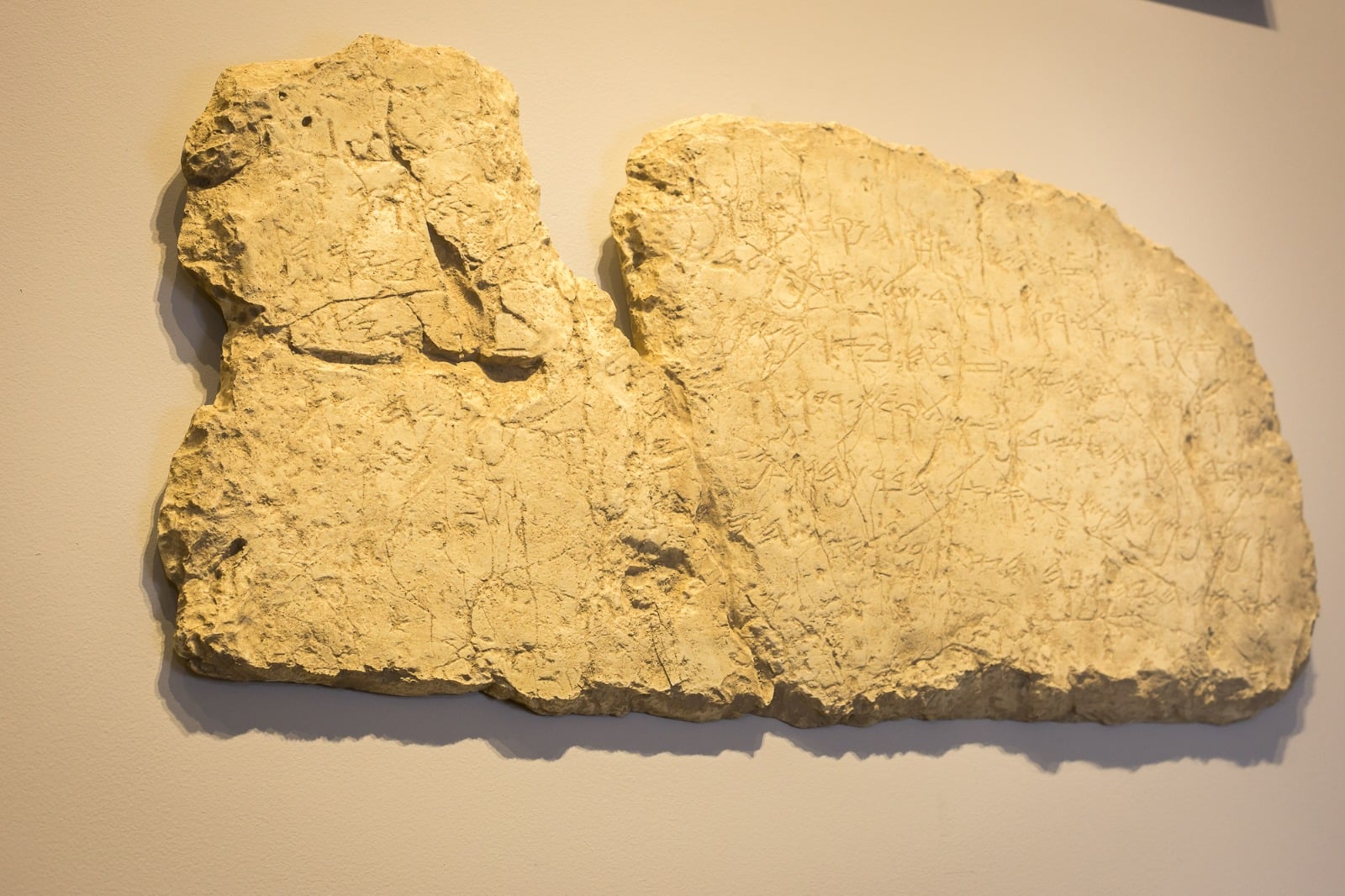
Highlights of the collection include reproductions of the Qumran jars linked to the discovery of the Dead Sea Scrolls, the Tel Dan Stele—the most significant archaeological evidence related to King David and his dynasty—alongside lamps, coins, utensils, and other artifacts that help reconstruct the everyday life of biblical peoples.
IBArq organizes guided tours, lectures, thematic and traveling exhibitions, study trips focused on history and archaeology, and other educational activities aimed at schools, universities, churches, synagogues, and the general public.
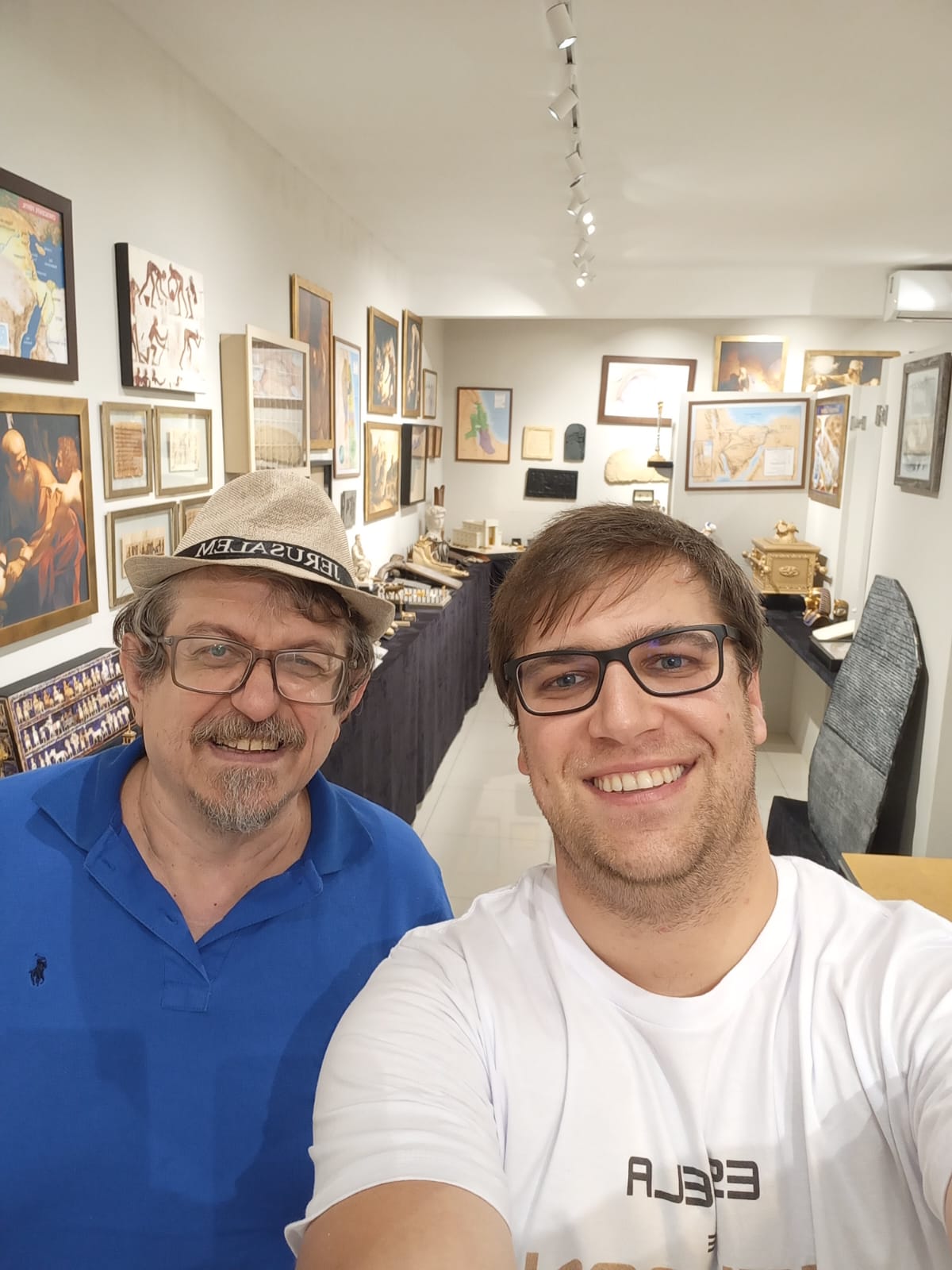
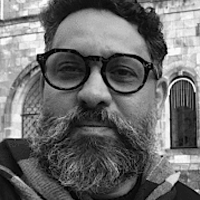
Leading the project is Thiago Minc Cinato, one of the founders and curator of the collection. A law graduate from Mackenzie Presbyterian University, he holds a specialization in International Law and is currently pursuing a degree in History at the same institution. He also completed postgraduate studies in History, Geography, and Biblical Archaeology, with certification from the Hebrew University of Jerusalem.
Asked about the Bible’s relevance today, Cinato emphasizes:
“The Bible is one of the most influential documents in human history. Regardless of personal faith, it helped shape values, institutions, and concepts that continue to impact our society.
For example, the idea that every human being possesses intrinsic dignity for being created in the image and likeness of God (Genesis 1:26–27) profoundly influenced ethical and legal principles later incorporated into modern human rights.
That is why the Bible deserves to be studied, preserved, and understood within its historical context.”
According to him, one of IBArq’s goals is to foster deeper understanding of biblical history through archaeology, historical research, and the material evidence left behind by ancient peoples.
Beyond preserving and studying the past, IBArq also seeks to encourage reflection on contemporary challenges. Among the issues addressed is the rise of antisemitism worldwide.
“After the terrorist attacks of October 7, 2023, we observed a significant increase in antisemitism and growing confusion between the Jewish people, the State of Israel, and the political decisions of specific governments—a phenomenon that often fuels prejudice and generalizations. Our goal is to contribute to a more balanced historical understanding, combating misinformation and promoting dialogue.”
To this end, IBArq has expanded its exhibitions and content related to the modern history of the Land of Israel, the emergence of the Israeli state, and the complexities of the Middle East conflict, always striving to present multiple perspectives and stimulate critical thinking.
More than preserving ancient artifacts, the Biblical Archaeology Institute aims to connect past and present, offering the public an opportunity to better understand the civilizations that shaped a significant part of human history and continue to influence the world today.