
Apps That Quietly Make Everyday Life Less Annoying
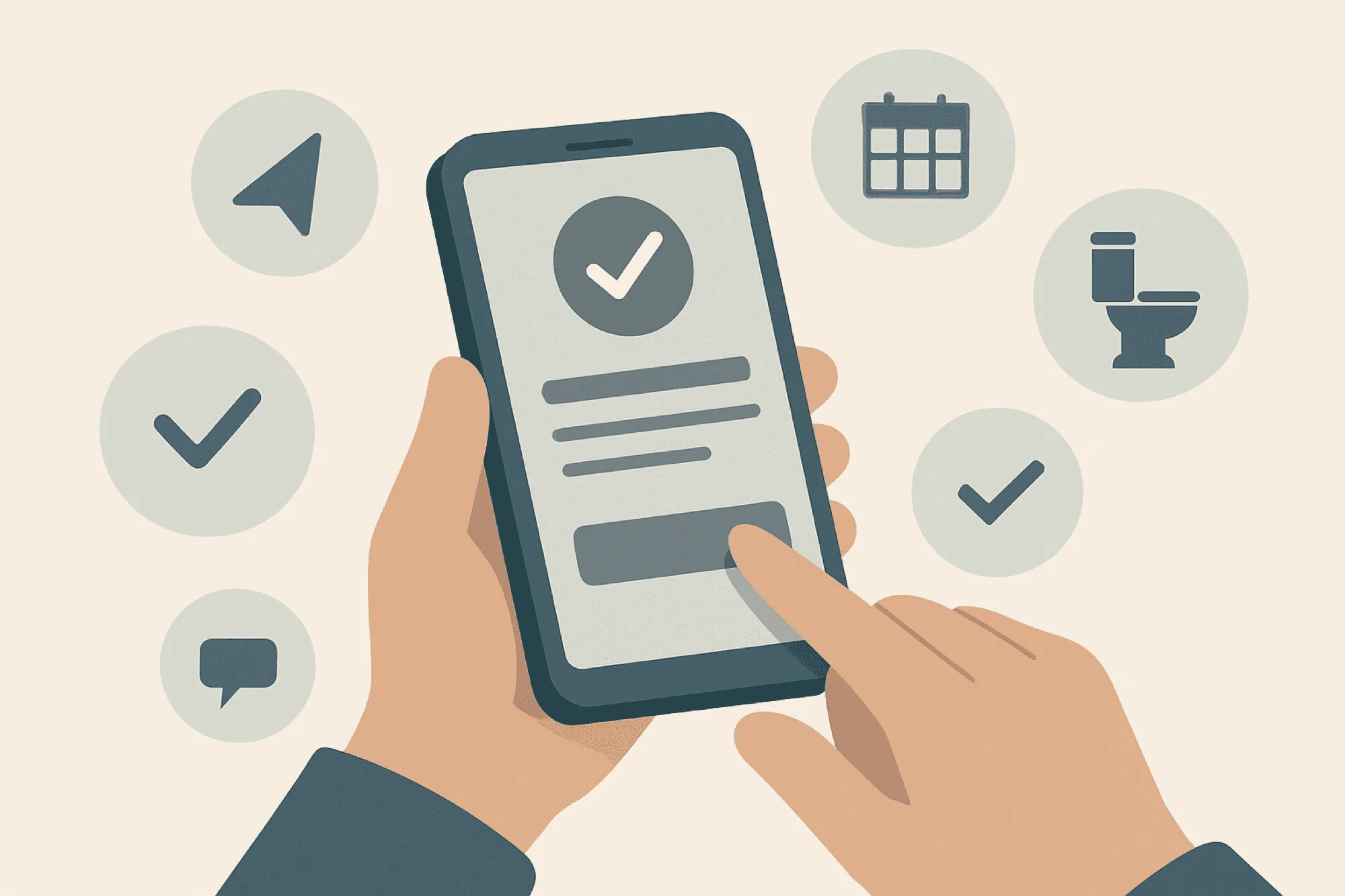
There’s a certain kind of app that never makes the big tech headlines, never raises a mega-round, and will probably never be called a “unicorn.” But it might be the reason you made it to a meeting on time, didn’t get lost, or avoided a minor meltdown in a new city.
I’m talking about the tiny, quiet tools that remove friction from everyday life. The ones we don’t brag about using, but panic a little when they stop working.
We celebrate disruption, but live on convenience. If you scroll through most tech news, you’d think our lives are mostly about AI breakthroughs, cyber defence, and billion-dollar valuations. In places like Israel’s “Startup Nation,” the spotlight is on deep tech, cyber, and infrastructure that powers systems most people will never directly see. But what we actually feel day to day is very different.
What really changes our mood, stress level, and sense of control are things like:
- Knowing when the bus or train is actually coming
- Finding a decent place to work with Wi-Fi and a power outlet
- Not spending 10 minutes trying to understand a government form
- Being able to quickly locate something essential in an unfamiliar area
None of that (necessarily) sounds like a headline worthy investor pitch. But all of it quietly shapes our quality of life.
The small panic moments tech could (and should) fix
Most people don’t remember the last time an AI infrastructure company directly affected their day. But they do remember:
- Being stuck somewhere with a child who suddenly needs a bathroom
- Walking around a city late at night, trying to find somewhere that’s still open
- Travelling in a new country, unsure which places are actually accessible or safe
These are small problems that become big very quickly.
Interestingly, some of the best solutions for this kind of thing aren’t coming from giant companies, but from small, focused projects that do one unglamorous job really well.
In the UK, for example, there’s a simple tool called ToiletNearMe.co.uk
that focuses on a single, slightly awkward need: helping people find nearby public toilets, with practical details like location and opening times. That’s it. No AI assistant, no metaverse, just a clean interface for a problem everyone has and no one really wants to talk about.
It’s the kind of product you don’t think about when you’re at home on your sofa — and are extremely grateful for when you actually need it.
Why these “boring” apps matter more than we admit
On paper, these projects are tiny. In real life, they’re huge because they:
- Reduce stress – Not having to worry about basics (transport, facilities, directions) frees up mental space for more important things.
- Increase independence – For parents, elderly people, people with disabilities, or anyone with health issues, good information can be the difference between staying home and feeling confident going out.
- Build trust – When an app consistently gives you accurate, helpful information at stressful moments, you start to trust it — often more than brands you see in ads.
In a place like Israel, where tech talent is everywhere and people are constantly juggling complex lives — commuting, family, army reserve duty, bureaucracy, side hustles —
you can really feel the gap between what’s technically possible and what actually exists for day-to-day life.
We can build world-class cyber systems, but we still often rely on asking strangers for directions, manually checking five websites, or digging through endless social media threads to find basic, practical information.
Global tech, local problems
One of the quirks of modern tech is that a lot of the brightest minds in places like Tel Aviv, London, New York, or Berlin are solving problems for other people, in other countries, inside other companies.
That’s not a bad thing — global work pays the bills. But it does mean there’s a long tail of local, everyday problems that never quite get picked up, because they don’t look big enough on a slide deck.
Things like:
- Where can I easily find a baby-friendly café?
- Which public places actually have working, clean facilities?
- Is there a simple way to see accessibility information for a whole area?
- What’s open now, within walking distance, that actually fits my needs?
These problems don’t require groundbreaking algorithms. They require someone to care enough to:
- Collect and maintain decent data
- Create a usable, lightweight interface
- Keep the experience fast and clean
- Accept that this might never be a billion-dollar company — and build it anyway
A quiet opportunity for builders
If you’re a developer, designer, or product person — especially sitting inside a strong tech ecosystem like Israel’s — there’s a real opportunity hiding in plain sight:
You don’t need to build the next global AI platform. You can build something that makes a very specific group of people breathe easier a few times a week.
Maybe it’s:
- An app that maps out shade and drinking water in hot cities
- A tool that helps tourists or new immigrants find facilities and services that fit their needs
- A local directory that doesn’t just list places, but answers the questions people are too rushed or embarrassed to ask
We already know from focused tools like ToiletNearMe, that there’s value in picking one awkward, overlooked need and doing it properly.
The tech we remember isn’t always the tech we talk about. When we look back in a few years, of course we’ll remember the big advances — AI models, cybersecurity breakthroughs, global platforms.
But on a personal level, we’ll also remember:
- The app that saved us on a stressful travel day
- The small tool that helped a parent or grandparent feel more independent
- The simple map that meant we didn’t have to choose between discomfort and embarrassment
Though some do, many of those quiet little apps rarely go viral. They rarely get applause. But they make life softer around the edges.
And maybe that’s the kind of innovation we need more of — in Israel, in the UK, and pretty much everywhere people are just trying to get through their day with a little less hassle.