As a ‘reformed’ Syria massacres its Druze, the world endorses the horror
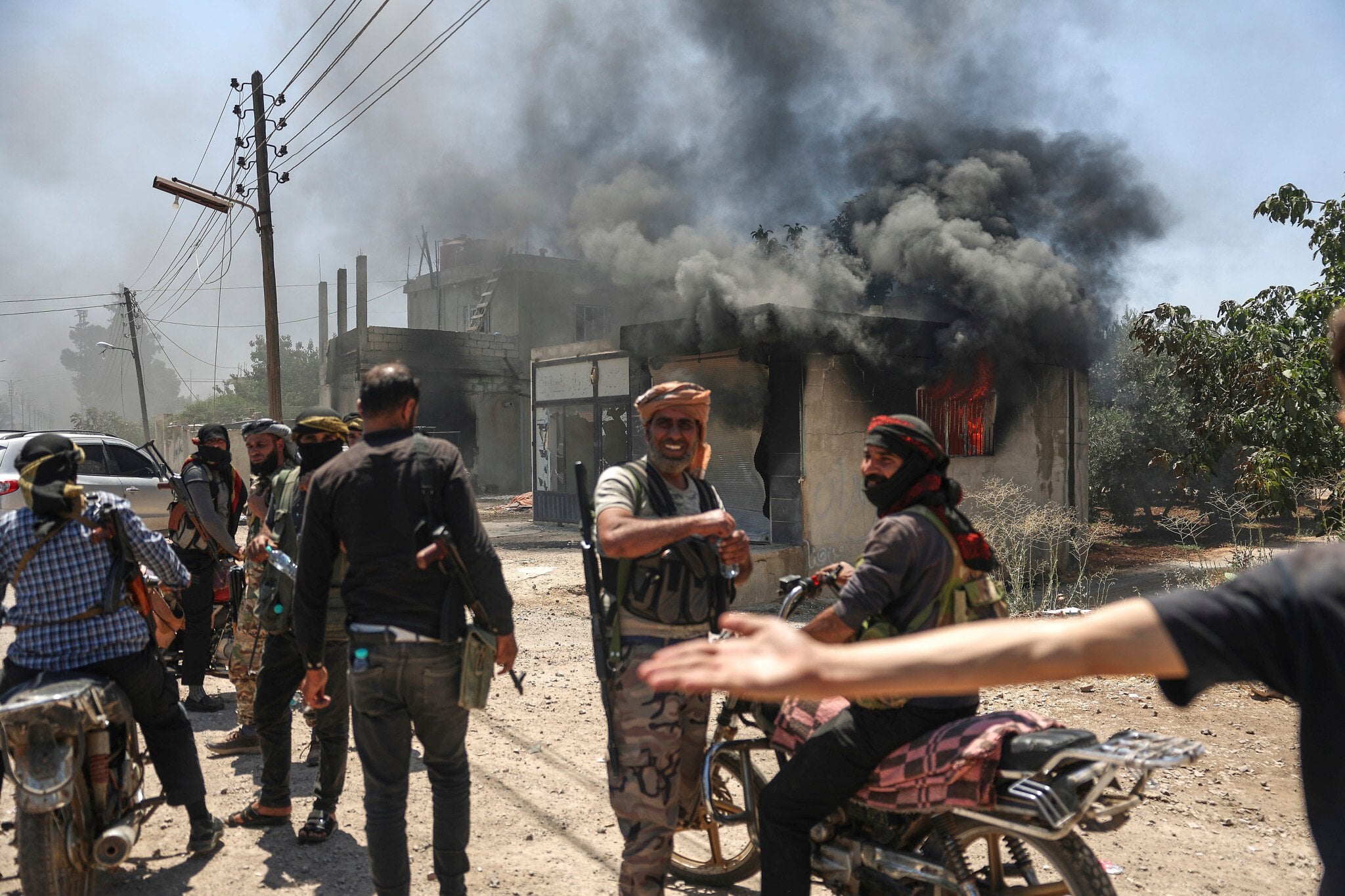
The horrific slaughter of Druze men, women, and children in the southern Syrian town of Sweida should serve as a wake-up call to the international community. Instead, the world’s muted response reveals a collective willingness to turn a blind eye when minority communities face unspeakable atrocities.
Last month, I met with Sheikh Muwaffaq Tarif, the spiritual leader of the Druze community in Israel and Head of the Druze Supreme Religious Council, as he recounted horror stories filtering in from Syria. The killings, kidnappings and rape of Druze citizens were reportedly carried out by local Sunni tribal militias and Syrian government forces – the very forces once hailed as having “liberated” Syria from tyranny.
Since July 11, hundreds have been executed in public squares, in their homes, even in hospital beds by perpetrators wearing “reformed” Syrian government uniforms, including foreign Chechens and ISIS/al-Qaeda-linked militants, highlighting the transnational threat to Syrian minorities.
These attacks happened after Ahmed Sharaa’s government shamefully failed to protect the victims, with some alarming eye-witness reports that forces under the command of the Syrian Government may have been involved in the violence. In the aftermath of these atrocities, Sharaa publicly thanked the tribes for their “heroic stance” in Sweida, effectively siding with the perpetrators.
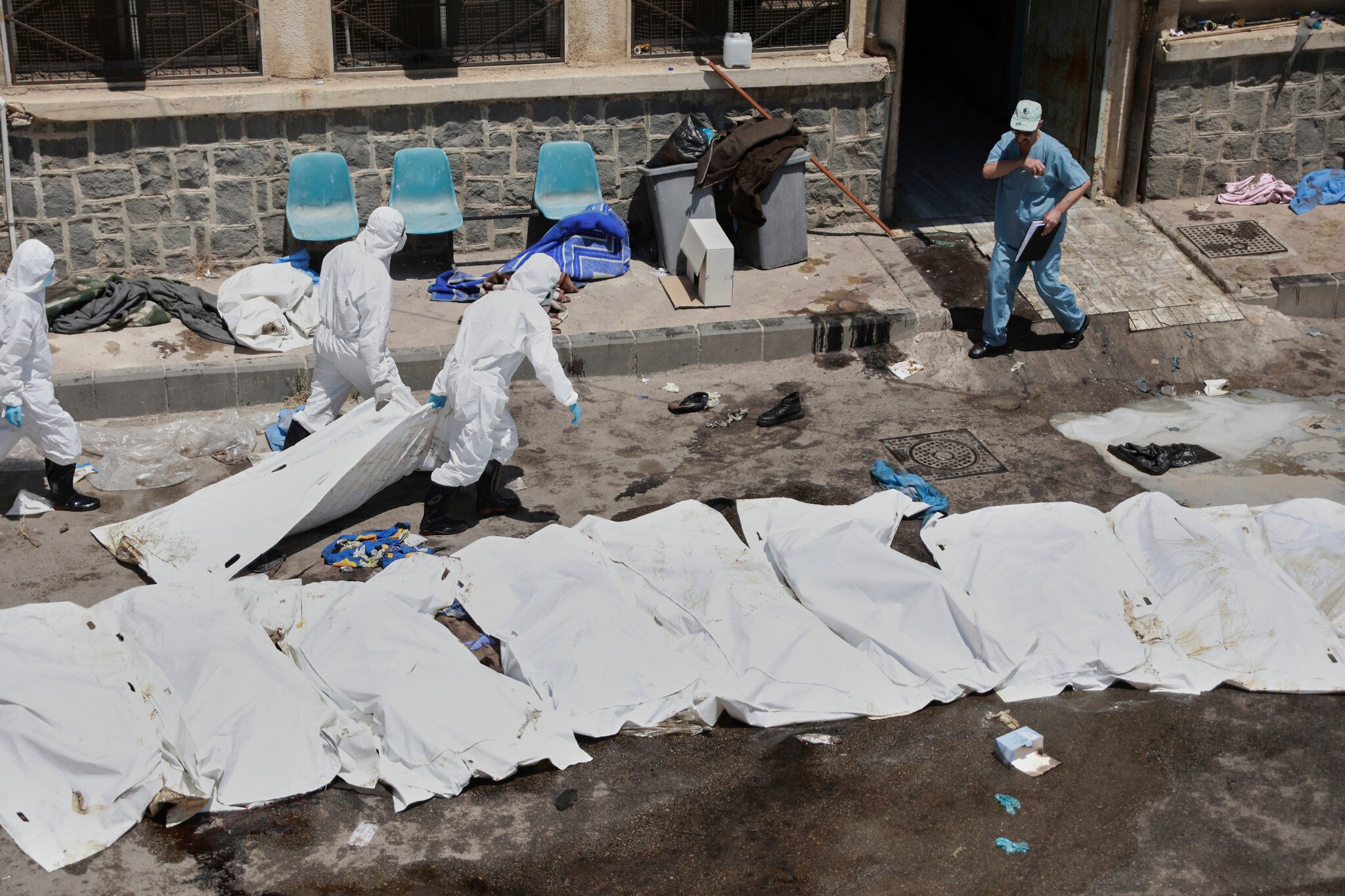
Sheikh Tarif’s anguish was jarring as he described the desperate pleas for help from Druze communities across the border – communities that share not just faith but family ties with the Druze in Israel. “They are calling us, begging for protection,” he told us. “And the world stays silent.”
This continues a pattern of Syrian government-linked militias targeting minorities. Jihadist groups, including ISIS and al-Qaeda affiliates, view Druze as heretics, making them repeated targets throughout the conflict.
In April, pro-government forces stormed the Druze suburb of Jaramana, leaving six Druze residents and four attackers dead. In March, government forces massacred Alawites in coastal towns. Each time, the Sharaa government blamed the victims while casting perpetrators as restorers of order.
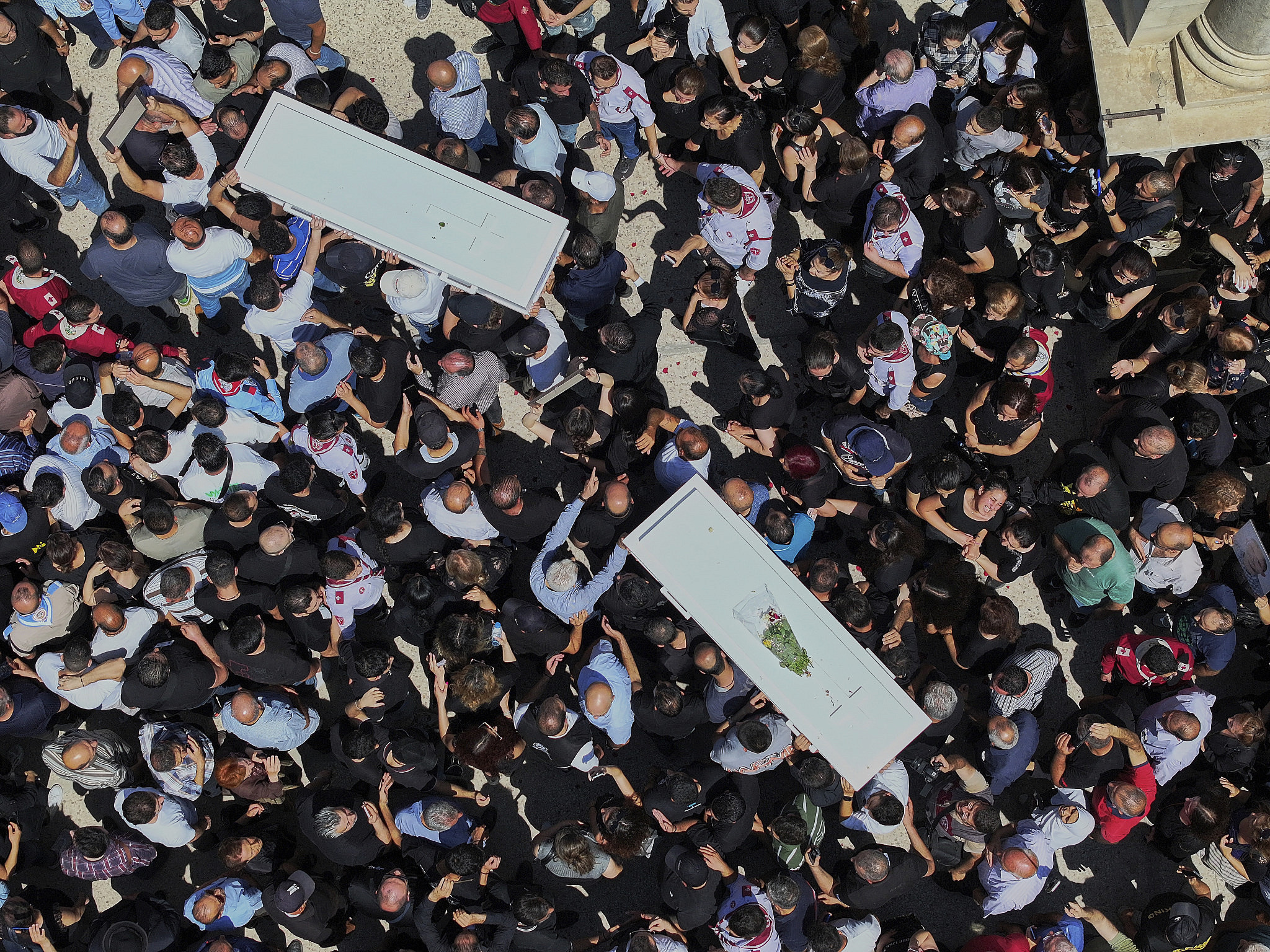
June’s suicide bombing at Mar Elias Church killed 30 Christians. Despite initial arrest reports, no convictions followed. Syria’s Christians—like fellow minorities—receive only empty words that protect no one but benefit Sharaa’s international image.
Each time, the same cycle repeats: official rhetoric about unity while militant Sunni dominance rises and those demanding Sharaa’s promised equality pay with their lives. His carefully curated image of moderation is designed for Western consumption, while minorities are systematically targeted under his watch. “A jihadist in a suit,” said one expert I recently met with. “A pragmatic jihadist,” said a Western colleague.
History shows the international community repeatedly placing misguided trust in “reformed” Islamists and jihadists. Syria cannot afford for the West to continue repeating these catastrophic errors in judgment.
Are Druze, Alawite, Christian, Yazidi, and Ismaili lives so expendable that sanctions and terrorist designations were lifted unconditionally? Why doesn’t the international community cry out when minority communities are murdered and raped? Where are the emergency UN sessions? Where are the passionate speeches about human rights and the responsibility to protect?
If the international community seeks to restore legitimacy to regional regimes, the test must be protecting minorities and meaningfully integrating them into government, not hollow, symbolic gestures. Without such benchmarks, lifting sanctions and normalizing relations sends a dangerous message: that vulnerable communities’ safety and political participation are negotiable.
In a region weary with conflict, international fatigue is understandable. Why intervene in yet another Middle Eastern crisis? And yet, by hastily embracing the Sharaa government, Western nations have not merely turned away from the horror – they’ve endorsed it.
Syria’s minorities might wonder whether this endorsement explains the muted global response to their ongoing massacres. Or is it simply that unless Israel is to blame, the suffering of Middle Eastern peoples is ignored?
Ironically, Israel is now being condemned for supporting Syria’s Druze, a deeply rooted community spanning Syria, Lebanon, Jordan, and Israel. Only Israel answered their pleas for protection. Sunni extremists who sought international support against Assad now vilify Druze for doing the same.
We all hope for a better future for Syria. But a future that begins with the unchecked slaughter of minorities will only lead to greater horrors. The international community must demand accountability – not just rhetoric – from Ahmed Sharaa. We cannot accept vague promises from a man and a government so recently designated as international criminals.
The lives of Syria’s religious minorities hang in the balance. If we fail to act, we forfeit the right to claim ignorance. And if we allow a government we endorsed to escape consequences, we are complicit.