
Autistic Barbie: Not Perfect, But I’ll Take It
In recent years, there has been a noticeable shift toward greater representation of autistic and neurodivergent children in mainstream media. In 2015, Sesame Street introduced Julia, an autistic Muppet, as a way of helping young children understand and accept neurological differences. In the decade since, animated shows and children’s books have followed suit, offering characters who reflect a wider range of ways of being in the world.
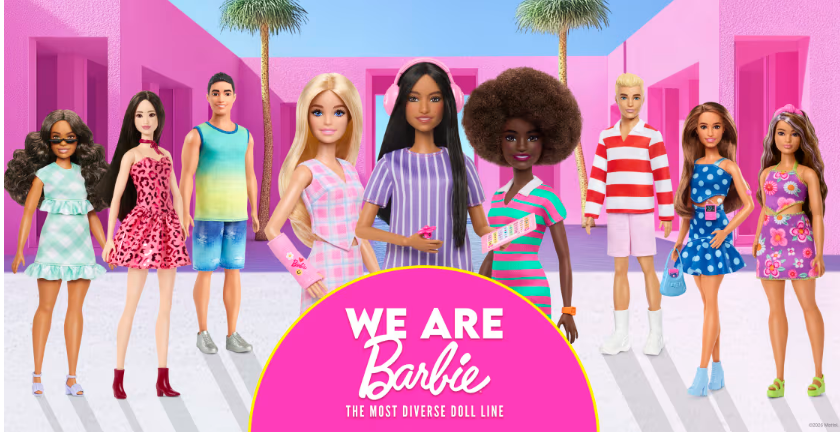
Mattel has now taken a step in that same direction by releasing its first autistic Barbie doll. As part of the Barbie Fashionistas line, the doll is explicitly labeled as autistic and includes features meant to reflect sensory needs and communication differences. For some families, this alone is meaningful. Autistic children can see themselves reflected in a toy aisle, and non-autistic children can encounter autism as something ordinary and familiar rather than “other” or abstract.
Unsurprisingly, the release has also generated criticism. Autism is extraordinarily diverse, and it is simply not possible for any single doll to capture the range of autistic experiences. Some critics have argued that the design choices feel reductive, or that they risk reinforcing a narrow idea of what autism looks like. Others have questioned whether packaging autism into a commercial product flattens complexity. These concerns are real and worth taking seriously.
Research on disability and autism in children’s media suggests a similar pattern. Representation is becoming more visible and, in some cases, more strengths-based and affirming, but it remains constrained by narrow stereotypes and limited diversity. Importantly, although research on young children’s responses is still relatively sparse, early findings suggest that exposure to disability narratives can shape how children think about difference. Even imperfect portrayals can reduce stigma and open space for empathy, identification, and more inclusive peer attitudes.
This does not mean criticism should be dismissed. It means it can coexist with a more pragmatic conclusion. No doll will represent all autistic people, and no single portrayal should be treated as definitive. But the alternative is not a better version of representation. It is an absence.
So yes, autistic Barbie is imperfect. It may miss the mark for some, and it will not resonate with everyone. But having autistic representation in homes, preschools, and toy stores is better than having none at all. It’s not perfect, but I’ll take it.