
TRAVEL FLASH TIPS ON THE TIMES OF ISRAEL
Baltimore: Actually, I Like It
For decades, Baltimore carried a reputation many Americans knew long before ever setting foot there. Crime headlines, abandoned factories, and political scandals painted the city as a symbol of urban struggle. By the 1990s, Baltimore’s once-powerful port economy had faded, leaving behind empty warehouses, shrinking neighborhoods, and a downtown many travelers simply bypassed.
But cities, like people, rarely remain trapped in a single chapter forever.
The first major turning point came when Baltimore began reimagining its neglected waterfront into what would become the modern Inner Harbor. Promenades replaced decaying piers. Attractions such as the National Aquarium brought visitors back downtown. Restaurants, hotels, sports stadiums, and waterfront parks slowly transformed not only the city’s appearance, but also the way it wanted to be seen.
Still, changing the image of an entire city is never easy.
Even into the early 2000s, Baltimore’s rough reputation continued to dominate public perception, reinforced globally by the HBO series The Wire, which portrayed the city’s drug trade, corruption, and struggling institutions with striking realism. Although fictional, the series shaped how millions around the world imagined Baltimore.
Yet this city never tried to polish itself into something artificial like many American metropolises. Instead, it embraced something far more unusual: authenticity.
That spirit was perfectly captured in the now-iconic slogan created by local artist Julia Kim Smith:
“Baltimore: Actually, I Like It.”
The slogan emerged about a decade ago during a difficult period, when Baltimore struggled with national perceptions tied to crime, unrest, and urban decline following waves of riots and negative headlines. Smith created the phrase almost as an ironic yet affectionate response to the way outsiders constantly criticized the city. The wording intentionally sounded surprising. As if someone expected Baltimore to disappoint, only to discover its charm, creativity, neighborhoods, waterfront, food scene, and deeply human character.
It quickly resonated with locals who felt it perfectly captured Baltimore’s underdog identity: people defending a city they genuinely loved despite its flaws and reputation. Soon the slogan appeared on murals, T-shirts, stickers, tourism campaigns, and social media, eventually becoming one of Baltimore’s most recognizable unofficial modern slogans.
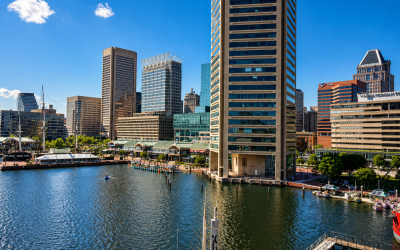
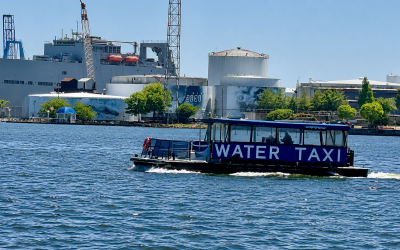
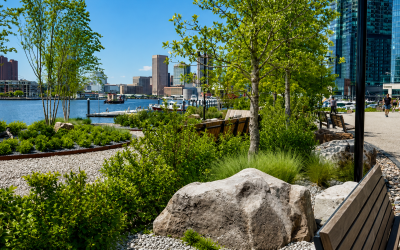
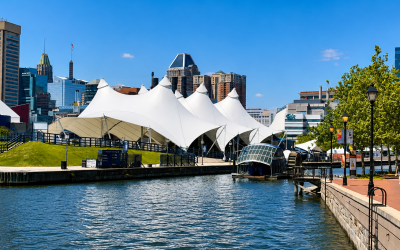
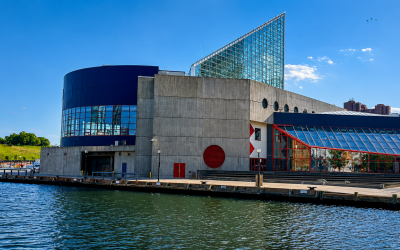

While visiting the East Coast, I decided to experience Baltimore for myself and it became one of the most positive surprises of the trip.
Along the waterfront, the city feels alive. New promenades curve beside the harbor where joggers pass marinas and outdoor cafés. Redevelopment projects worth hundreds of millions of dollars continue reshaping downtown as Baltimore pushes to reinvent itself once again for a younger generation of residents and travelers. The massive Harborplace redevelopment project expanded in 2025, with even larger rebuilding phases planned from late 2026 onward.
We expected an aging harbor city and instead discovered a beautifully revived waterfront full of energy and life.
The National Aquarium remains one of Baltimore’s most iconic waterfront attractions. Sharks, jellyfish, tropical fish, and rainforest habitats create a fully immersive experience. Massive glass tanks make visitors feel surrounded by the ocean itself. The aquarium blends entertainment, conservation, and education remarkably well, becoming one of the strongest symbols of Baltimore’s harbor revival. Its spectacular architecture rises above the water almost like a futuristic glass ship. The glowing underwater tunnels feel cinematic at times. An essential stop along the Inner Harbor promenade.
The transformation of Fell’s Point was equally impressive. Once a rough working-class maritime district filled with sailors, shipbuilders, taverns, and aging rowhouses, Fell’s Point could easily have disappeared into history. Instead, its cobbled streets and brick facades were restored rather than erased.
Today, the neighborhood beautifully blends old Baltimore with new energy: seafood restaurants spilling onto sidewalks, candlelit bars inside centuries-old buildings, music drifting from pubs, and locals lingering beside the harbor long after sunset. One evening, we sat down for a classic Maryland crab cake dinner in the Choptank, a large modern crab house, while watching the waterfront slowly light up for the night. An experience to cherish.
Baltimore suddenly felt very far from the image many outsiders still carry in their minds.
One of the most intriguing parts of this rebirth is the reopening of The William Fell Baltimore, Tapestry Collection by Hilton, formerly known as the Admiral Fell Inn. Completely renovated and reopened in 2025, the boutique-sized hotel sits in the very heart of historic Fell’s Point. With only around 80 rooms, it feels intimate, personal, character-driven and notably dog-friendly.
I intentionally chose this hotel because I was curious to experience a global hotel chain growing “soft brand” property. Lodging estates that preserve much of their original identity, architecture, story, and personality while still benefiting from the global reach of a major hospitality company.
In an era when travelers increasingly seek personality over predictability, collections such as Marriott’s Autograph Collection and Tribute Portfolio – Hilton’s Curio Collection and Tapestry Collection, or the Unbound Collection by Hyatt have reshaped the modern hotel landscape.
These “soft brands” allow independent hotels to preserve their own spirit while gaining access to reservation systems, loyalty programs, and the global reach of hospitality giants. Yet individuality does not mean the absence of standards. Guests may not expect every property to look identical, but they still anticipate the reliability, cleanliness, service culture, and operational consistency associated with names like Hilton, Marriott, or Hyatt.
Behind the boutique atmosphere remains a carefully monitored corporate framework. Hotels that fail to maintain expected quality levels can quietly lose affiliations, be repositioned, or eventually exit the system altogether.
The result is one of hospitality’s most successful balancing acts: authentic local character on the surface, supported by the reassurance of global standards behind the scenes.
And so we arrived at The William Fell Baltimore, Tapestry Collection by Hilton. The design blends Baltimore’s maritime history with contemporary upscale touches that fit naturally with the atmosphere of the surrounding neighborhood. Yet with two gigantic heavy suitcases, we quickly encountered one of the realities of staying in historic hotels.
Like many heritage properties, the building was constructed long before modern accessibility standards existed. Architects designed such hotels with multiple staircases, split-level corridors, and uneven layouts. Although a modern elevator had been installed, reaching our room still involved navigating endless narrow staircases without assistance from staff. Not an easy task with heavy luggage.
For elderly guests or travelers with mobility limitations, the layout may present genuine challenges, as most rooms still require stairs between elevator landings and corridors.
That, however, is part of the delicate compromise historic hotels constantly face: preserving heritage while attempting to provide modern comfort.

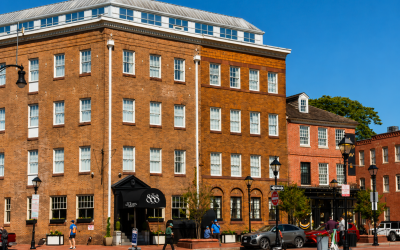
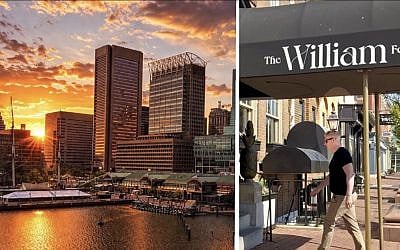
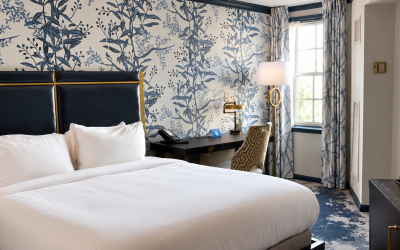
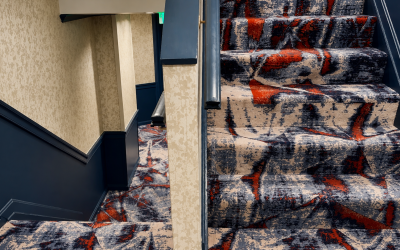
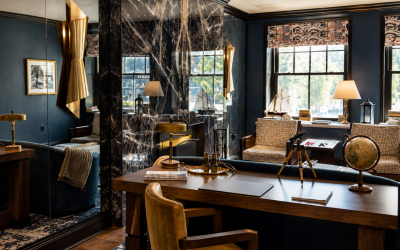

The renovated room itself was stylish and comfortable, though somewhat compact for large luggage. Still, the sleeping quality was excellent, and the bathroom amenities finally carried the recognizable upscale touch associated with Hilton properties. Breakfast at the hotel’s modern tavern restaurant was rewarding as well.
This intimate property preserves much of the soul of old Fell’s Point, a district deeply connected to Baltimore’s port-era history.
Today, Marriott, Hilton, and Hyatt together operate more than 30 hotels across Baltimore, making the city a surprisingly strong multi-brand urban hospitality market. Yet if faced with the choice between a large predictable chain property and the heritage atmosphere of the William Fell, I would still choose the latter, despite all the inconveniences.
After all, where else can you fall asleep imagining echoes of horse hooves along cobbled streets, sailors shouting across the docks, ships creaking beside the piers, candlelight flickering against dark wooden beams, travelers warming themselves outside beside a fire, and whispered conversations about Britain, independence and war of the 18th century?
“Baltimore: Actually, I Like It.”
Related Topics
Related Posts