I write what I see
Featured Post
Bardem, the Grand Inquisitor
The actor's remarks at the Emmy's were not clever or innovative; centuries of anti-Jewish hate beat him to the punch, including, of course, in his native Spain

Javier Bardem arrives at the Emmy's, wearing a keffiyeh. (via X)
Who else, watching Javier Bardem draped in his keffiyeh at the Emmys, saw the Grand Inquisitor?
I did. I saw Torquemada in robes, presiding over the burning of Jews at the stake. Sephardic Jews saw the expulsion of 1492 — families torn from Toledo and Córdoba, synagogues emptied, Jewish names erased from the plazas, ancestors forced to flee or feign conversion under threat of death. For Spain, it is history but for us, it is part of our collective memory — another entry in the endless ledger of persecution. And when Bardem wrapped himself in his costume of borrowed virtue, that memory rose again: a different stage, a different scarf, but the same old terrifying script.
At the Emmy Awards, Bardem declared with gravity that “the world has changed.” He went on: “I cannot work with someone that justifies or supports the genocide… we ask for a commercial and diplomatic blockade and sanctions on Israel to stop the genocide. Free Palestine!” The words were absurd even as he mouthed them; his pronouncement was no innovation but it sure echoed the Spanish Inquisition’s auto-da-fé — verdict first, flames after. What he dressed up as progress was only continuity, a hand-me-down script with modern hashtags. He spoke of change — yet every syllable betrayed sameness. There he stood, basking in the lights, mistaking his own aloof righteousness for revelation — life imitating art at its ugliest, a Hollywood actor playing inquisitor, confusing the red carpet for a tribunal.
Spain’s record is transparent. In 1391, mobs rampaged through Seville, Toledo, and Barcelona, slaughtering thousands of Jews and forcing survivors to convert. In 1492, it expelled its Jews outright, forced them to convert or die, and consigned countless others to the stake. The Inquisition lit its pyres under those accused of clinging to their faith. Beyond its Jewish victims, Spain built an empire that enslaved and erased whole continents. It still clings to Ceuta and Melilla in Africa, took the Canary Islands from the Indigenous Guanche, abandoned Western Sahara to statelessness, and, within its own borders, Roma remain despised while Moroccan migrants are scapegoated. Yet Spain presumes to lecture Jews about justice. Call it hypocrisy if you like; I call it Spain’s oldest tradition.
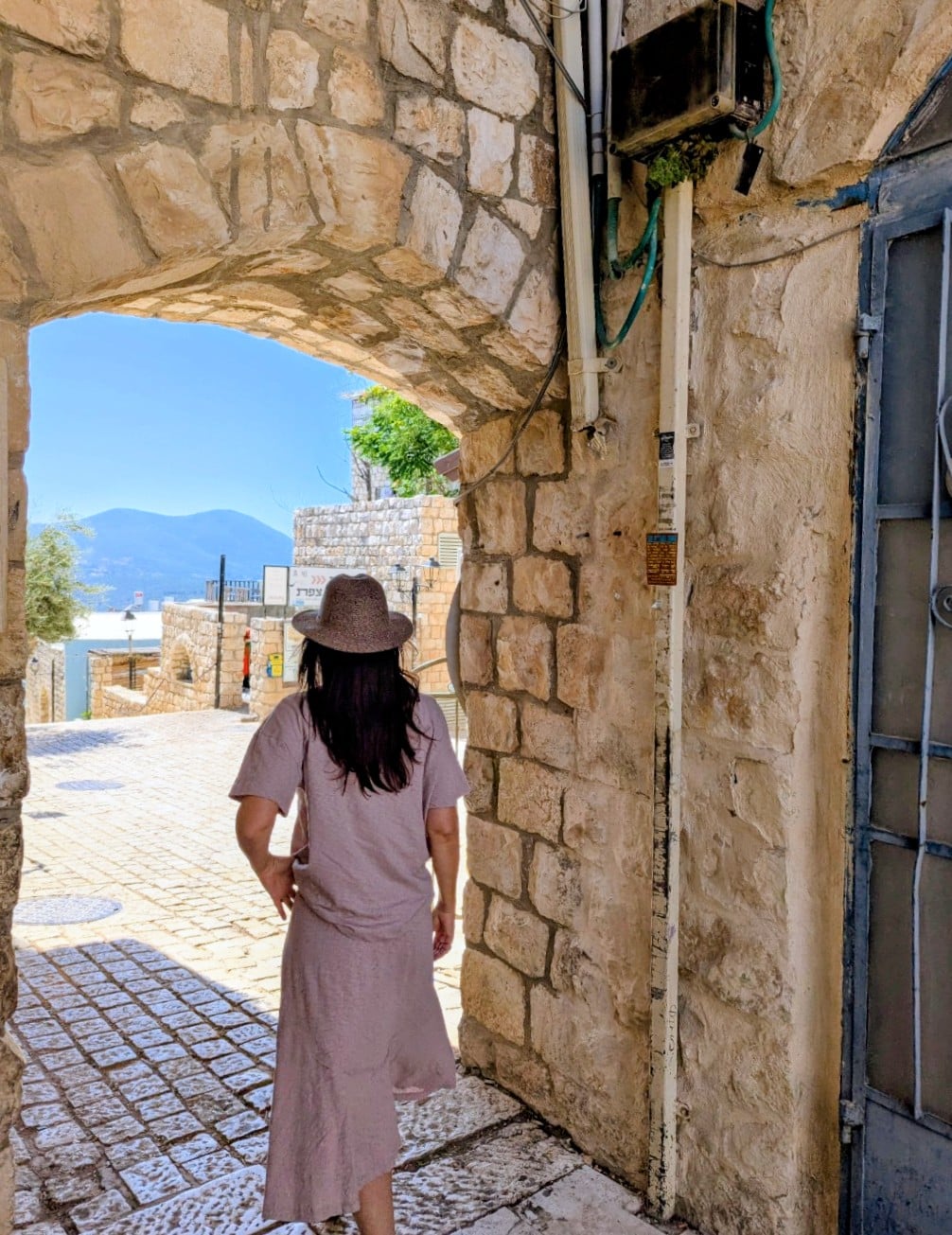
Survivors of the expulsions fled east, some returning under Ottoman rule to Safed, Jerusalem, and Hebron — exiles who needed foreign permission to live in their own land. Yet in Safed, too few and too weak to think of conquering anything back, Jews built anyway: synagogues, academies, a renaissance of mysticism that still shapes Jewish thought. Perhaps that is what enrages the world most of all: that even in exile, even under persecution, Jews advanced.
So how has Spain changed since? In León, they still raise a glass during Holy Week to a tradition called “Matar Judíos” — literal meaning is “Kill Jews — a festival drink whose very name keeps the memory of pogroms alive, but Spanish folks think of it as a cute little custom.
What masquerades as folklore at Easter finds its echo in modern airports. In 2025, 52 Israeli teenagers were thrown off a flight, so the stage may have changed — once it was plazas, now it’s airplanes — but the verdict is the same. The Inquisition traded bonfires for boycotts.
And Spain’s government has not changed either. Prime Minister Pedro Sánchez has not severed ties with Israel, but he cancelled a $700 million arms deal, banned Israeli ministers from entering Spain, restricted Jewish goods, and even called for Israel to be barred from sports and cultural events — while accusing it of “extermination.” From burning Jews in the plazas to banning them from planes and festivals, Spain has always called it justice.
However, Bardem insists, “the world has changed.” He is not alone. In recent days, 1,400 figures from the entertainment world signed the same pledge: cut all ties with Israel. They are only the newest recruits to an old tradition. Different century, same exclusion — Jews barred from guilds, trades, and the marketplace. Among the signatories are Jews as well. Spain’s Inquisition had its informers and collaborators too — Jews who thought denouncing their own might save them . . .
Spain once burned Jews alive in its public squares. Now it cheers those who murdered Jews, burned them, raped them, and took them hostage on October 7. As if that were not already shocking, appalling and detestable: they also cheer when Jews are boycotted off bicycles and planes, when they are barred entry into countries, shut out of universities, excluded from art exhibitions, disinvited from film screenings and festivals, when they’re refused service at a restaurant or hotel, even when the word Zionist is spat like a slur. The spectacle is applauded as progress! The rituals are the same public humiliation, exclusion from the marketplace, erasure from cultural life—only now dressed in petitions and trending slogans. Primo Levi warned, ‘”It happened, therefore it can happen again.” And here we are, watching it happen again.
I’ve seen the smaller stages too. At the Camarillo farmers market where I’ve sold baked goods and children’s books, an elderly woman appears each week in a blood-smeared t-shirt declaring “Stop the Israeli Genocide of Gazans.” She doesn’t need to shout. She simply stands, and people passing by glance, nod, even smile — as though her grotesque display were a badge of virtue. That is what makes it so disturbing: the quiet approval, the casual acceptance. For Jews, the scene is chillingly familiar, we’ve seen this posture before, the public performance, the audience complicit, and the unspoken message that we are being watched.
The sickness is how the keffiyeh has been adopted by all countries, seen on campuses, in the streets, on the red carpet, even on fashion runways and concert stages. It’s paraded in sports arenas and echoed in parliaments. It has become the universal badge of the righteous, worn by people who know nothing of its history but relish the menace it projects. And isn’t this the same society that cancels people for appropriating another culture’s symbols? A hairstyle? A garment? A song? Once, they called it appropriation, but now, in keffiyeh form, they call it resistance.
I watched Bardem with his version of it, laid neatly over polished clothing, makeup in place, choreographed for the cameras. What revolted me was not the scarf alone but the apparent smug confidence with which he wore it. The posture of a man convinced he embodied virtue. But he looked evil to me. All I could think of were our hostages rotting in Gaza’s tunnels — tunnels built by the very terror he applauds, a terror devoted to one thing alone: the erasure of Israel and its Jews.
When the fabric isn’t enough, they turn to words. Mahmoud Darwish is celebrated as the Palestinian national poet, and treated like scripture by his admirers. He is weaponized and romanticized. One line is torn from its setting and brandished as though it were Shakespeare: “Leave our land, our shore, our sea, our wheat, our salt, our wounds… and take your names with you.” His words may be dressed as poetry, but really they are all about erasing Jews from Israel. And for this, he is celebrated.
The irony is that Darwish himself was no starving refugee. He grew up inside Israel, studied in Hebrew schools, published in Israeli papers, and later chose exile to join the PLO’s executive committee. His “refugee” status was mythologized, polished into an icon of grievance more useful than true. Yet the West swoons at his verses not for their accuracy, but because they flatter a ready-made narrative: the noble martyr versus the guilty Jew. That’s why his poetry is so adored and not because it’s profound.
On the other hand, Spain had its own poets. Yehuda HaLevi, writing from Toledo and Córdoba under Muslim rule, poured his longing for Zion into verses of love and return, not violence. His poetry was not erasure but affirmation. And Bardem has likely never heard of him, let alone read him. Nor is he likely to have read Maimonides — born in Córdoba, driven out by the Almohads, who chronicled the humiliations of Jewish life under Islamic persecution. Their writings are testimony of Spain’s own Jews, recording the history Spain still disowns. Yet Bardem drapes himself in a keffiyeh and calls it revelation, blind to the voices that grew out of his own streets.

The truth is, Bardem doesn’t need to read HaLevi or Maimonides to be unsettled. What enrages him most is surely not our history, but our survival. That Jews still live, still create, still flourish. In Israel, with all the political upheaval, the tragedy of an ongoing war, with loved ones dead, injured, or in captivity, the same spirit continues to burn. You still find art, music, invention, and study. Film festivals open to all, public lectures that make knowledge accessible, art galleries and jewelry stalls where creativity flourishes. Libraries in public spaces — on street corners, in parks, even at the beach. Book festivals that fill up every downtown’s central pathway. Even the stickers left by families of October 7’s murdered carry words of resilience, memory, and hope. The Jewish instinct is not to destroy but to create.
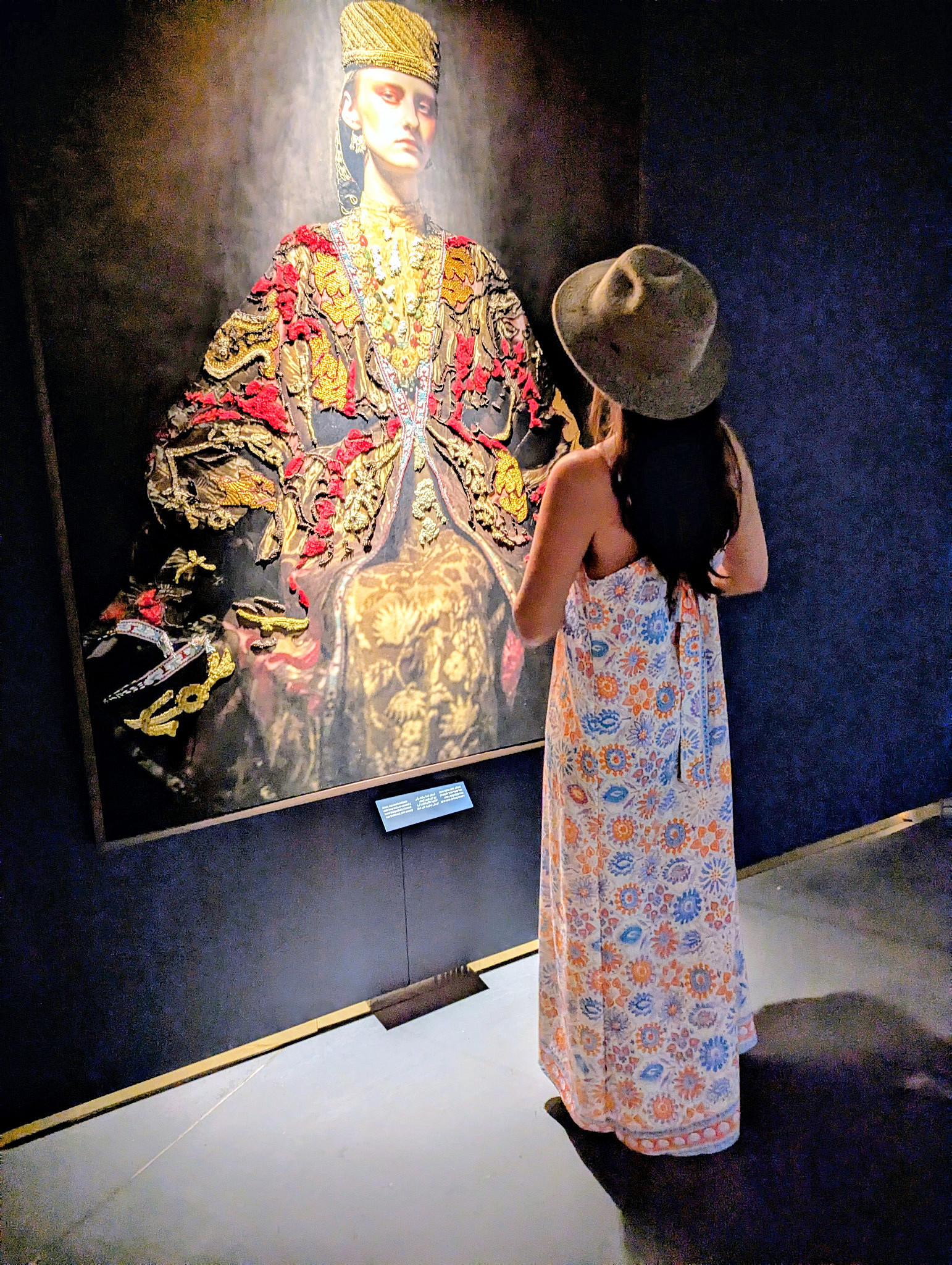
Try to cancel that. Try to erase a culture that builds libraries even on its beaches. Your boycotts miss, your slogans miss, because you cannot touch that spirit. You only expose how naive you are to think Israel’s vitality depends on your approval. This has kept Jews united for centuries, even when stripped of independence they still read, studied, and created.
The Grand Inquisitor in a keffiyeh is ready to pass his verdict on Jews as if Israel were born in sin, as if October 7 never happened, as if the slaughter and kidnappings were not filmed in Gaza’s own streets. He plays this role well, as though he has done it before — handing down the same verdict every age has rehearsed: the Jew is guilty.
The only consolation I have after watching his appearance at the Emmy Awards is that he calls for our erasure while leaning on Jewish and Israeli invention. The absurdity borders on comic: the medicine that sustains him, the technology that broadcasts his words, the security that shields his stage. Strip it all away, and his “changed world” would collapse, and he would finally taste the nightmare he prescribes for us. And the irony doesn’t end there — by championing this boycott, he isn’t only striking at Israel; he’s boycotting the arts themselves, his contemporaries, his colleagues. To betray the creative community is to betray his own foundation, a self-inflicted wound that makes his calls for erasure all the more absurd. He makes his living in one of the most Jewish industries in existence. It will be interesting to see, down the road, what becomes of a career built on borrowed virtue and open contempt for the very people who gave him his platform.
The most defeating aspect of this tragedy is that some Jews nod along, eager to prove virtue by denouncing their own. But not me. Not this Jew. Because the world cannot gorge on our contributions while demanding our silence. Call it resistance, justice, progress — it’s the same lie.
So, no, the world has not changed, Señor Bardem, only your costume. And beneath it, the same old Inquisitor still peers out.
—
Extra Reading:
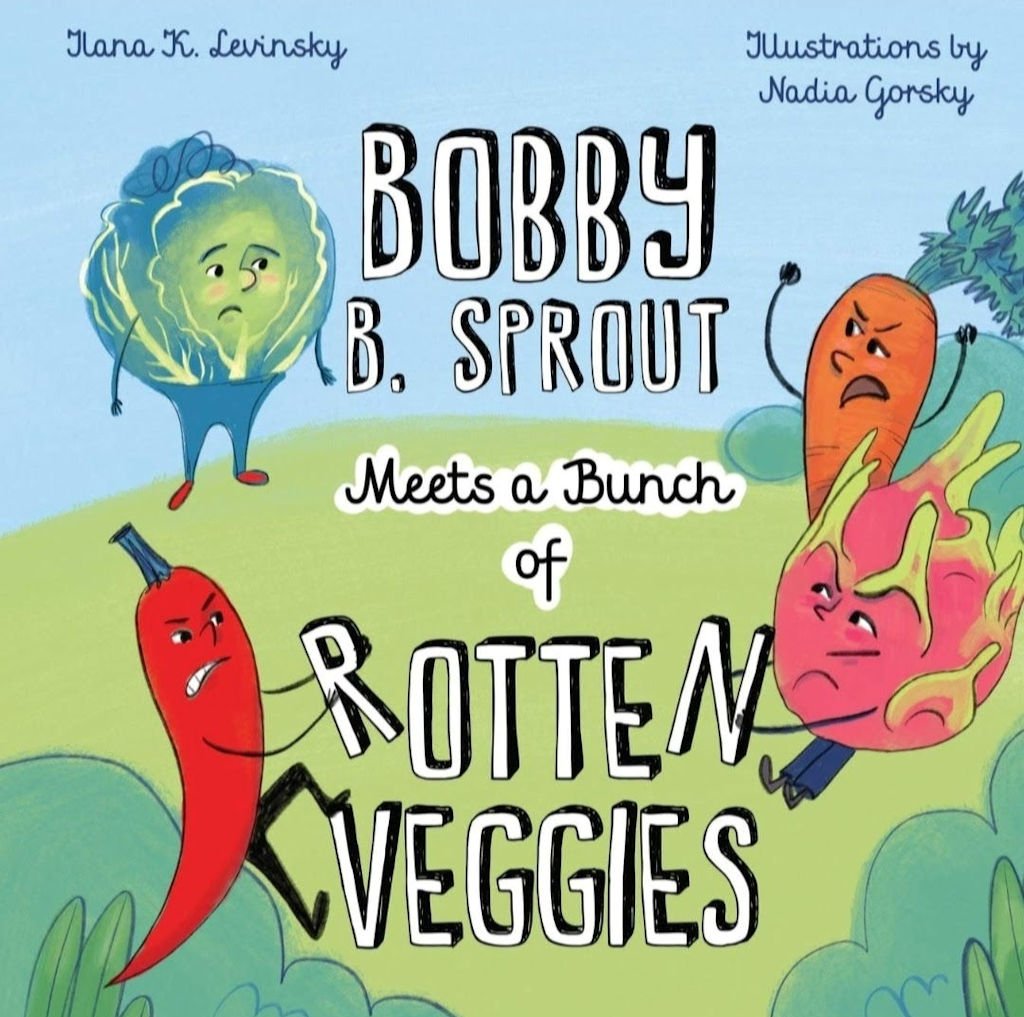
“Bobby B. Sprout Meets a Bunch of Rotten Veggies” is a playful yet meaningful children’s book that introduces kids to the realities of racism, bigotry, and exclusion through humor and colorful characters. Bobby B. Sprout encounters a group of rotten vegetables who single him out simply for being different. The story helps children understand how prejudice works—and more importantly, how to stand strong, stay kind, and remain true to yourself even when faced with cruelty. (on Amazon).
Related Topics