
Lawyer, Blogger, Jewish Advocate, Podcast Host
Before God Forgives Us, We Must Forgive Each Other
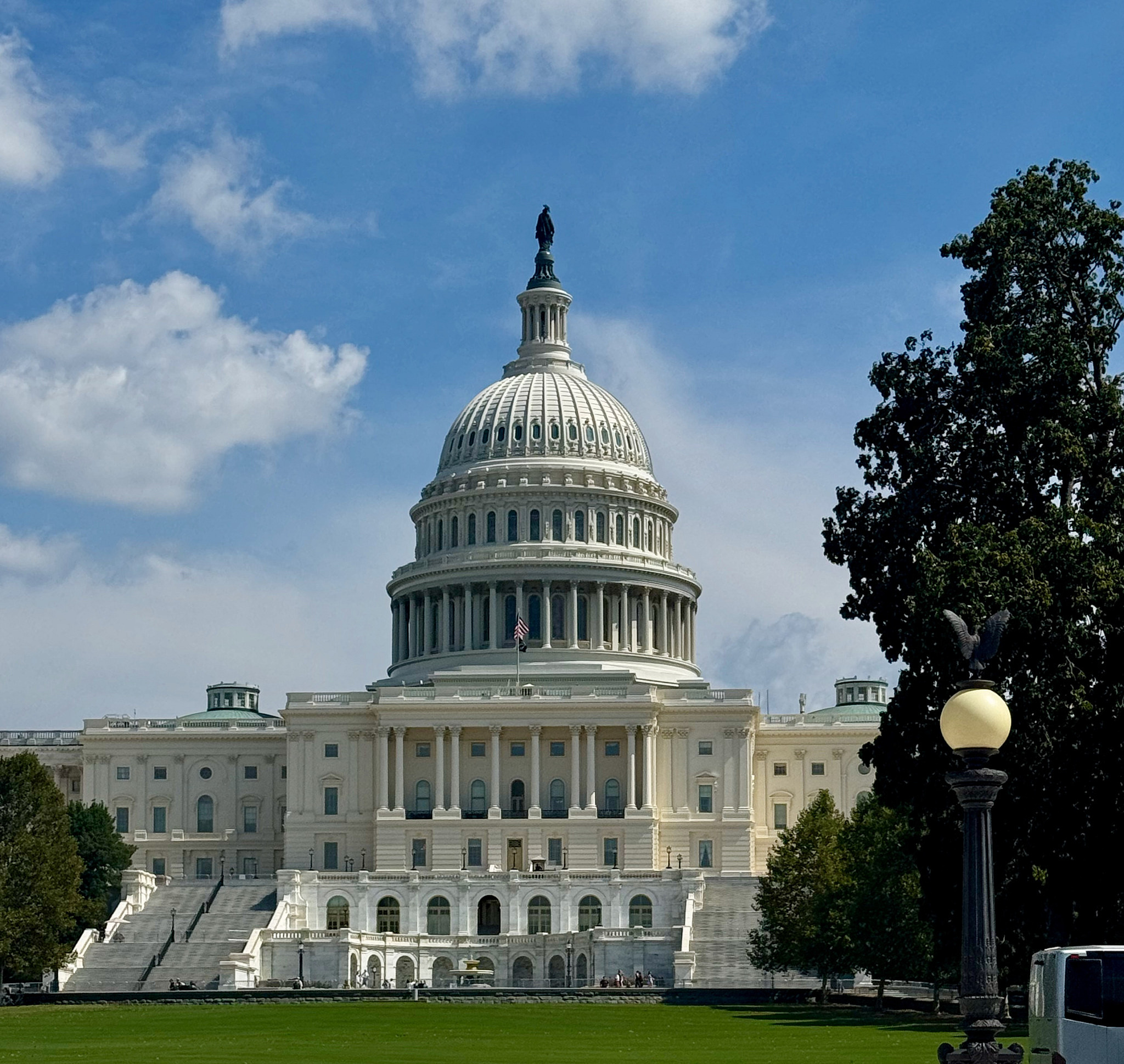
The Capitol, Washington DC (image courtesy of author)
Rosh Hashanah reminds us that repairing human relationships is the first step to repairing our world.
As the shofar sounds and Rosh Hashanah approaches, our tradition calls us to self-reflection and renewal. Yet the High Holy Days are not only about our relationship with God—they are just as much about our relationships with one another. Before we can ask the Almighty for forgiveness, Jewish law requires us to seek forgiveness from the people we may have hurt. Equally, we are commanded to forgive those who have hurt us, to let go of grudges, and to judge others favorably.
This is not just ritual—it is radical wisdom. At a time when friendships fracture, families split, and societies grow ever more divided, the mitzvah of repairing relationships is both ancient and urgently modern.
Why Relationships Break Down
Too often, friendships and relationships don’t collapse because of one dramatic event, but because of how smaller actions are interpreted. One hurtful comment, one failure, one disappointment gets magnified and becomes the defining story: They don’t care about me. They’re untrustworthy. They’re bad for me.
Once that rigid story hardens, the other person is reduced to their worst data points. Nuance disappears. What could have been an opening for deeper understanding becomes a reason to walk away.
The Jewish Call to Nuance
Judaism demands more of us. The mitzvah of teshuvah requires us to own our part and ask forgiveness. But there is also a reciprocal command: to forgive others, to resist resentment, and to see them in the best possible light (dan l’kaf zechut).
The Torah warns explicitly: “Do not hate your fellow in your heart… Do not bear a grudge” (Leviticus 19:17–18). The Talmud praises those who are ma’avir al middotav—who rise above strict judgment and forgive even when it is difficult. These practices force us to resist the human pull toward black-and-white thinking and instead see one another in full color.
A Polarized World
These teachings aren’t only about friendships and families. They are about survival as a society.
I just returned from Washington, D.C., after a day of advocacy in Congress. When I look at the magnificent Capitol building, I am reminded that it symbolizes nearly 250 years of intense national disagreements. And yet, amidst those disagreements, America has managed—imperfectly, but meaningfully—to compromise for the greater good. Despite the bitter divides of our politics, we have avoided slipping into another civil war. That is no small achievement.
But the dangers of polarization are very real. We live in an age where disagreement too often turns into demonization. Opponents are cast as enemies. The public square is filled with certainty and moral superiority, rather than humility and connection.
Our tradition knows this danger. The rabbis taught that the Second Temple was destroyed not only by Rome, but by sinat chinam—baseless hatred—among Jews themselves (Yoma 9b). Rigid certainty and entrenched divisions proved more destructive than any foreign army.
By contrast, the Talmud records that while the schools of Hillel and Shammai disagreed fiercely, they still respected one another and even intermarried (Yevamot 14b). They showed that it is possible to hold strong convictions while preserving human dignity.
If we are to survive and thrive today, we must rediscover that balance.
Letting Go of Certainty
The call of Rosh Hashanah is clear: each of us must let go—at least a little—of our rigid certainties and claims to moral high ground. We must trade arrogance for humility, caricature for curiosity, and contempt for connection.
Humility and forgiveness are not weaknesses. They are strengths. They are the only path forward—for our friendships, our communities, and our nations.
A Season of Repair
This Rosh Hashanah, let us take the mitzvah seriously: to ask forgiveness, to forgive, and to resist rigid narratives that flatten people into enemies. Let us cultivate the courage to see one another with nuance and compassion.
In doing so, we not only mend our friendships—we help heal our society. And we align ourselves with the deepest purpose of this season: to renew our relationships with each other, with ourselves, and with God.